

Facial inflammation is a common skin concern that can appear as redness, swelling, itching, or irritation. It may result from allergic reactions, contact with irritants, insect bites, certain skin conditions, or environmental stress. When inflammation affects the face, it can be particularly uncomfortable and noticeable. For short term relief, many people turn to hydrocortisone cream for face use to calm irritated skin and reduce visible symptoms.
Understanding how hydrocortisone works, when it is appropriate to use, and how to apply it safely is essential for achieving effective results without compromising skin health. This article explains how hydrocortisone cream for face reduces inflammation, the science behind its action, and the best practices for responsible use.
Understanding Facial Inflammation
Before exploring how hydrocortisone works, it is important to understand what facial inflammation is and why it occurs.
What Happens During Skin Inflammation
Inflammation is the skin natural defense response to irritation, injury, or allergens. When triggered, blood vessels expand, immune cells become active, and inflammatory chemicals are released. This process leads to redness, warmth, swelling, and discomfort.
Common Causes of Facial Inflammation
Facial inflammation can be caused by allergic reactions, contact with harsh skincare products, environmental exposure, insect bites, or underlying skin conditions. Because facial skin is thinner and more sensitive than other areas, it reacts quickly and visibly.
What Is Hydrocortisone Cream for Face
Hydrocortisone is a mild corticosteroid that mimics hormones naturally produced by the body. When used in low strength topical formulations, it helps control inflammation and soothe irritated skin.
Why Hydrocortisone Is Considered Mild
Hydrocortisone is classified as a low potency corticosteroid. This makes it suitable for short term use on delicate areas such as the face when used correctly and under appropriate guidance.
Common Uses of Hydrocortisone on Facial Skin
Hydrocortisone cream for face is often used to reduce redness, itching, and swelling associated with mild allergic reactions, contact dermatitis, and insect bites. It is intended for temporary relief rather than long term treatment.
How Hydrocortisone Cream for Face Works
The effectiveness of hydrocortisone lies in how it interacts with the skin inflammatory response.
Suppressing Inflammatory Chemicals
Hydrocortisone reduces the production of inflammatory substances such as prostaglandins and cytokines. By limiting these chemicals, it helps decrease redness and swelling.
Reducing Immune Overactivity
During inflammation, immune cells become overly active and prolong irritation. Hydrocortisone calms this response, allowing the skin to recover more quickly.
Narrowing Dilated Blood Vessels
Inflamed skin often appears red due to widened blood vessels near the surface. Hydrocortisone helps constrict these vessels, reducing visible redness.
Benefits of Using Hydrocortisone Cream for Face
When used appropriately, hydrocortisone offers several benefits for inflamed facial skin.
Fast Acting Relief
One of the key advantages is its rapid action. Many people notice reduced redness and itching within a short period of application.
Soothing Discomfort
By calming nerve endings affected by inflammation, hydrocortisone helps relieve itching, burning, and irritation.
Supporting Skin Recovery
Reducing inflammation allows the skin natural repair process to function more effectively, leading to quicker recovery.
Conditions Where Hydrocortisone Cream for Face Is Commonly Used
Hydrocortisone is not a universal solution, but it can be helpful for specific inflammatory concerns.
Contact Dermatitis
Reactions caused by contact with irritants or allergens often respond well to short term hydrocortisone use.
Mild Allergic Reactions
Facial redness and itching caused by allergies may improve with careful application.
Insect Bites and Minor Rashes
Hydrocortisone can help reduce swelling and itching from insect bites on the face.
Why Hydrocortisone Is Not a Long Term Solution
Despite its effectiveness, hydrocortisone is not intended for prolonged or frequent facial use.
Risk of Skin Thinning
Extended use can weaken the skin structure, making it thinner and more fragile.
Potential for Increased Sensitivity
Overuse may lead to rebound irritation or increased sensitivity once the cream is discontinued.
Masking Underlying Conditions
Hydrocortisone may temporarily improve symptoms without addressing the root cause of inflammation.
How to Use Hydrocortisone Cream for Face Safely
Proper use is essential to minimize risks and maximize benefits.
Applying a Thin Layer
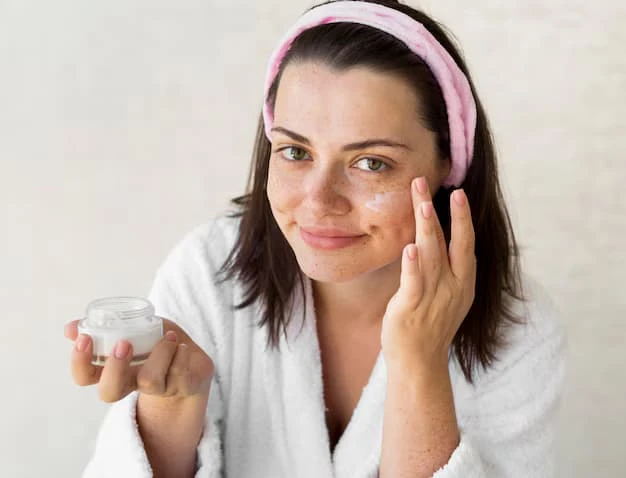
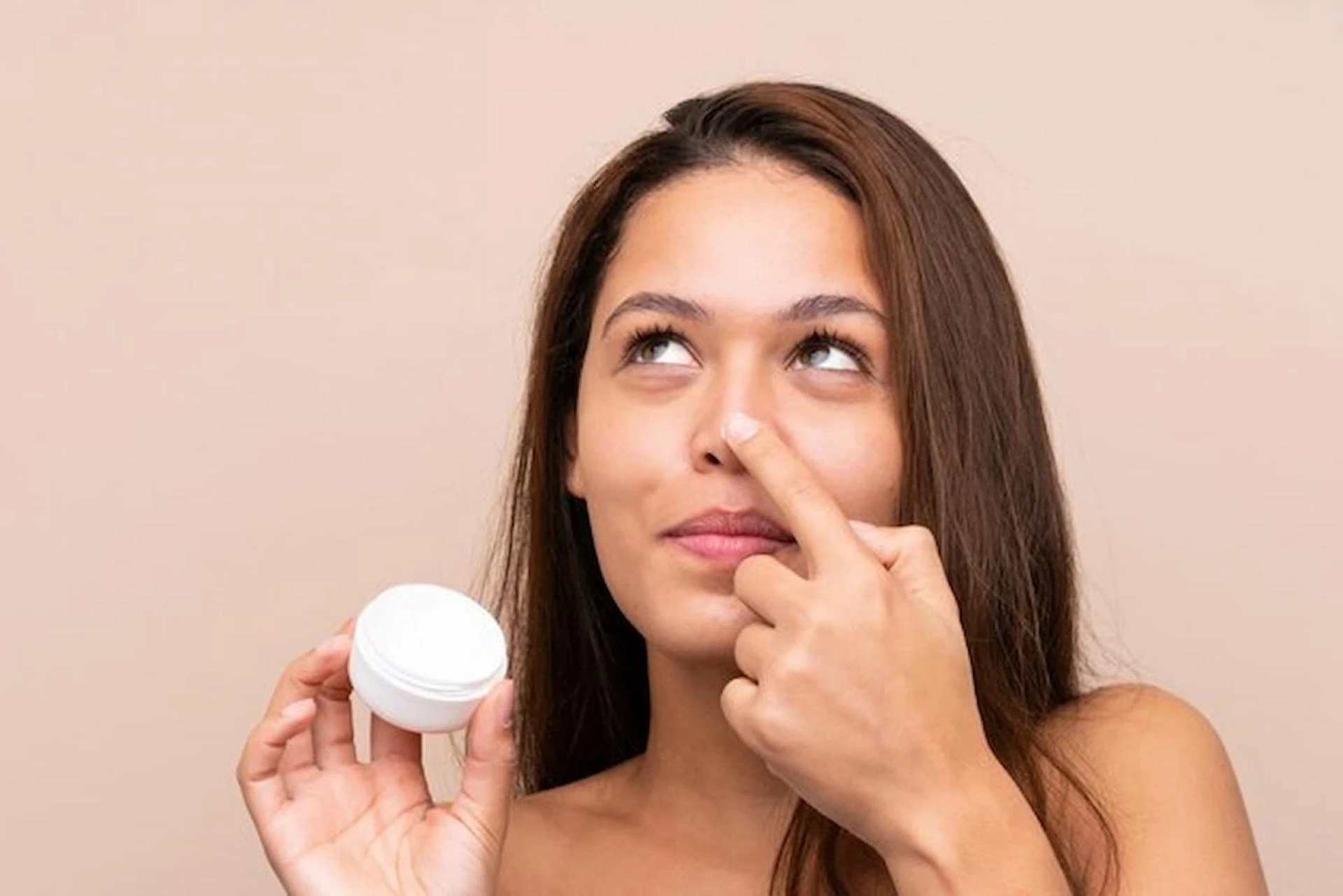
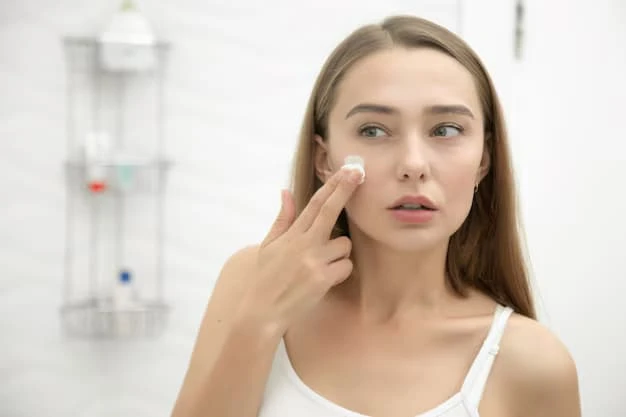
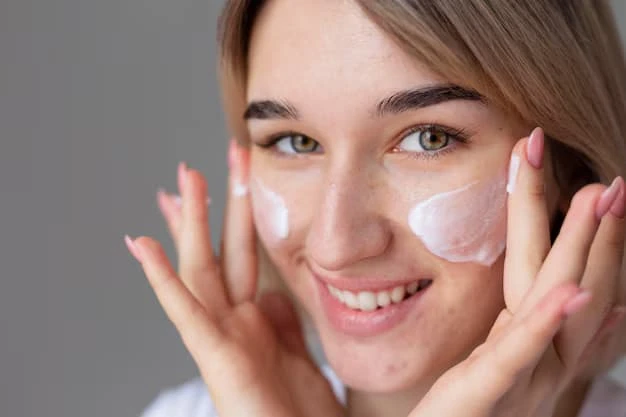
Only a small amount is needed. Applying a thin layer reduces the risk of side effects while still providing relief.
Limiting Duration of Use
Hydrocortisone cream for face should typically be used for a short period only, often a few days, unless otherwise advised.
Avoiding Sensitive Areas
Care should be taken around the eyes, mouth, and broken skin, where absorption may be higher.
Supporting Hydrocortisone Use With Gentle Skincare
Combining hydrocortisone with supportive skincare practices helps maintain skin health.
Using Mild Cleansers
Gentle cleansing prevents additional irritation and prepares the skin for treatment.
Moisturizing the Skin
A simple moisturizer helps restore the skin barrier and reduce dryness during treatment.
Avoiding Harsh Products
Strong exfoliants, fragrances, and active ingredients should be avoided while using hydrocortisone.
Signs That Hydrocortisone Should Be Stopped
Monitoring the skin response is important during use.
Lack of Improvement
If inflammation does not improve after a few days, continued use may not be appropriate.
Worsening Symptoms
Increased redness, burning, or discomfort may indicate sensitivity or misuse.
Recurring Inflammation
Repeated flare ups after stopping treatment suggest an underlying issue that requires further evaluation.
Alternatives to Frequent Hydrocortisone Use
For ongoing facial redness or sensitivity, gentler long term strategies may be more suitable.
Barrier Strengthening Care
Supporting the skin barrier with moisturizing and soothing ingredients helps reduce inflammation naturally.
Identifying Triggers
Avoiding known irritants and allergens reduces the need for anti inflammatory treatments.
Lifestyle Adjustments
Stress management, sun protection, and adequate sleep support skin resilience and reduce flare ups.
Setting Realistic Expectations
Hydrocortisone cream for face provides symptom relief rather than a permanent cure.
Short Term Improvement
It is most effective for calming acute inflammation quickly.
Not a Preventive Measure
Hydrocortisone does not prevent future inflammation and should not replace daily skincare care.
When to Seek Professional Guidance
Certain situations require additional support.
Persistent or Severe Inflammation
Ongoing redness or swelling may indicate a condition that needs targeted treatment.
Unclear Diagnosis
Using hydrocortisone without understanding the cause of inflammation can delay appropriate care.
Sensitive or Compromised Skin
Professional advice helps ensure safe use on delicate facial skin.
Building a Responsible Approach to Facial Inflammation
Using hydrocortisone thoughtfully is part of a broader skin care strategy.
Combining Relief With Repair
While hydrocortisone calms inflammation, long term skin health depends on barrier repair and gentle care.
Educating About Skin Responses
Understanding how the skin reacts helps prevent misuse and supports better outcomes.
Conclusion
Hydrocortisone cream for face reduces inflammation by calming immune responses, narrowing blood vessels, and suppressing inflammatory chemicals in the skin. When used correctly and for short periods, it can provide fast and effective relief from redness, itching, and swelling caused by mild facial inflammation. However, because facial skin is delicate, careful application and responsible use are essential to avoid unwanted side effects. Supporting treatment with gentle skincare and addressing underlying triggers helps maintain healthy and balanced skin over time.
For those seeking informed skincare education and thoughtful approaches to managing facial skin concerns, MiQuest reflects a commitment to knowledge driven care and responsible skin health solutions.






















Sign in to leave a comment.