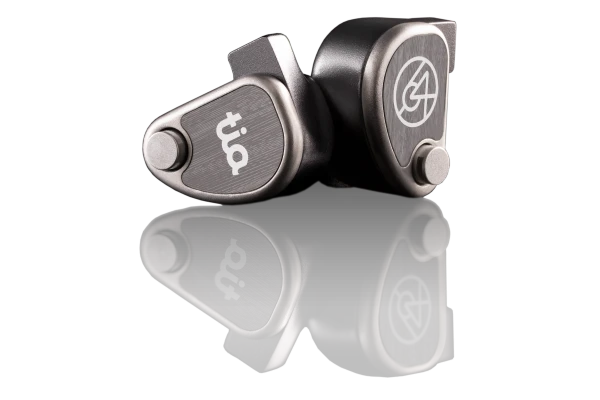

In the world of competitive and immersive gaming, audio quality can be just as important as graphics and performance. While traditional gaming headsets have long dominated the market, In-Ear Monitors (IEMs) are rapidly gaining popularity among casual gamers, streamers, and even esports professionals. Originally designed for musicians and audio engineers, IEMs are now proving to be a powerful alternative for gamers who want precision, comfort, and immersive sound.
What Are IEMs?
In-Ear Monitors, or IEMs, are high-quality earphones that fit snugly inside the ear canal. Unlike standard earbuds, IEMs are designed for accurate sound reproduction, excellent noise isolation, and long-term comfort. They often feature advanced driver technologies—such as dynamic, balanced armature, or hybrid drivers—to deliver detailed audio across a wide frequency range.
For gamers, this level of audio accuracy can make a noticeable difference in gameplay.
Why Audio Accuracy Matters in Gaming
Sound in games is more than just background music—it provides critical information. Footsteps, reload sounds, environmental cues, and directional audio all influence reaction time and decision-making.
IEMs excel in this area by offering:
- Precise imaging for locating enemies
- Clear separation between in-game sounds
- Reduced audio clutter during intense moments
This makes them especially effective for competitive titles like FPS, battle royale, and tactical shooters.
How IEMs Enhance Gaming Performance
1. Superior Sound Detail and Clarity
One of the biggest advantages of IEMs is their ability to reproduce fine audio details. Subtle sounds—such as distant footsteps or faint environmental movements—are easier to detect. Compared to many gaming headsets that boost bass at the expense of clarity, IEMs offer a more balanced and revealing sound signature.
This clarity helps gamers react faster and make better in-game decisions.
2. Accurate Directional Audio
Directional awareness is crucial in modern games. IEMs provide excellent stereo imaging, allowing players to pinpoint where sounds are coming from—left, right, above, or behind.
Because IEMs sit closer to the ear canal and minimize sound distortion, they often deliver more precise positional audio than bulky headsets, especially when paired with good in-game audio settings or surround sound software.
3. Noise Isolation for Better Focus
Most IEMs come with silicone or foam ear tips that create a tight seal in the ear. This passive noise isolation blocks out background sounds such as keyboard noise, fans, or nearby conversations.
For gamers, this means:
- Better immersion
- Fewer distractions
- Improved concentration during long sessions
Unlike active noise cancellation, passive isolation doesn’t affect audio quality or introduce latency.
4. Lightweight Comfort for Long Gaming Sessions
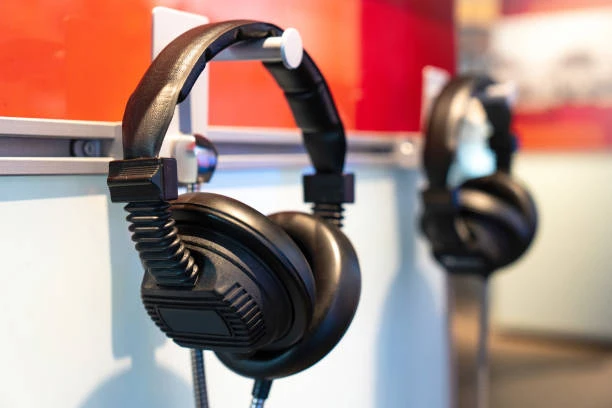
Traditional gaming headsets can become uncomfortable over time due to their weight and clamping force. IEMs, on the other hand, are lightweight and pressure-free, making them ideal for extended gaming sessions.
Many gamers report reduced ear fatigue and heat buildup when switching to IEMs—an important benefit for streamers or competitive players who game for hours at a time.
5. Reduced Microphone Interference
Headsets often suffer from audio bleed, where game sound leaks into the microphone. Since IEMs sit inside the ear canal and isolate sound effectively, they significantly reduce this issue.
This makes IEMs a great choice for:
- Streamers
- Team-based multiplayer gaming
- Voice chat clarity
Gamers can pair IEMs with a standalone microphone for professional-level communication.
IEMs vs Gaming Headsets: Which Is Better?
| Feature | IEMs | Gaming Headsets |
|---|---|---|
| Sound Accuracy | Excellent | Good to Variable |
| Comfort | Lightweight | Can be heavy |
| Noise Isolation | Strong (passive) | Moderate |
| Portability | Very high | Low |
| Microphone | External required | Built-in |
While gaming headsets offer an all-in-one solution, IEMs provide better sound precision and flexibility, especially for gamers who already use external microphones.
Are IEMs Suitable for All Game Genres?
Yes, but their benefits shine differently depending on the genre:
- FPS & Tactical Shooters: Excellent for footsteps and positional audio
- RPGs & Open-World Games: Enhanced immersion and environmental detail
- Racing & Sports Games: Clear engine sounds and crowd effects
- MMOs: Reduced fatigue during long sessions
IEMs are especially popular in competitive gaming, where audio cues can determine the outcome of a match.
What Gamers Should Look for in an IEM
When choosing an IEM for gaming, consider the following factors:
Sound Signature
Look for a balanced or slightly bright sound profile. Overly bass-heavy IEMs may mask important details like footsteps.
Comfort and Fit
Proper fit is essential. Multiple ear tip sizes or foam tips can improve comfort and isolation.
Cable Quality
Detachable cables are a plus, allowing easy replacement or upgrades.
Impedance and Sensitivity
Low-impedance IEMs work well with PCs, consoles, and controllers without needing an external amplifier.
Do You Need a DAC or Sound Card?
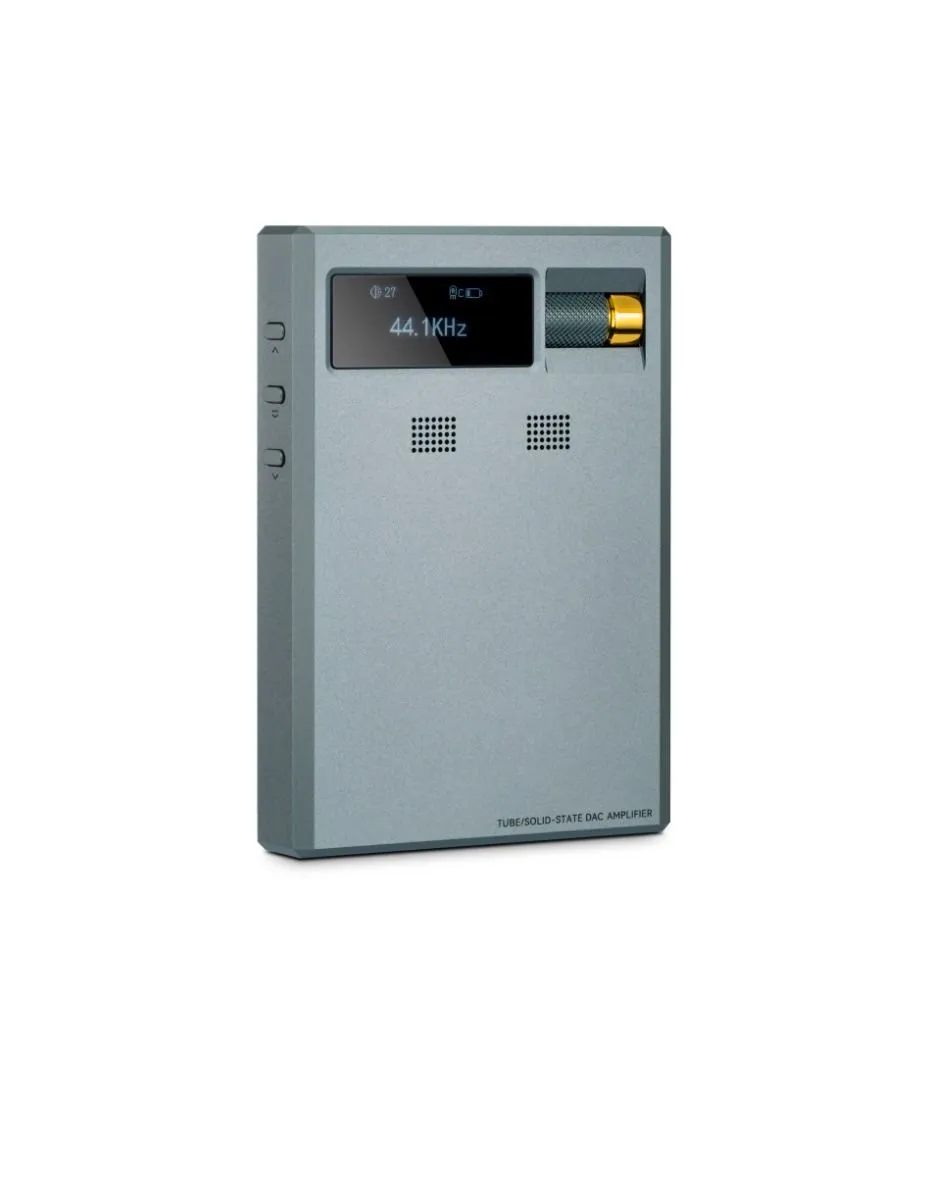
Most IEMs can be driven directly from a PC, console, or controller. However, a USB DAC or external sound card can improve audio clarity, reduce interference, and provide better volume control—especially on PCs.
This is optional but beneficial for gamers who want the best possible audio experience.
Final Thoughts: Are IEMs Worth It for Gamers?
IEMs are no longer just for musicians—they are a powerful audio solution for gamers seeking precision, comfort, and immersive sound. With superior detail, accurate directional audio, and long-session comfort, IEMs can significantly enhance both casual and competitive gaming experiences.
While they may require pairing with a separate microphone, the trade-off is often worth it for gamers who value audio performance over flashy design.
If you’re looking to upgrade your gaming setup and gain an audio edge, In-Ear Monitors are well worth considering.
























Sign in to leave a comment.