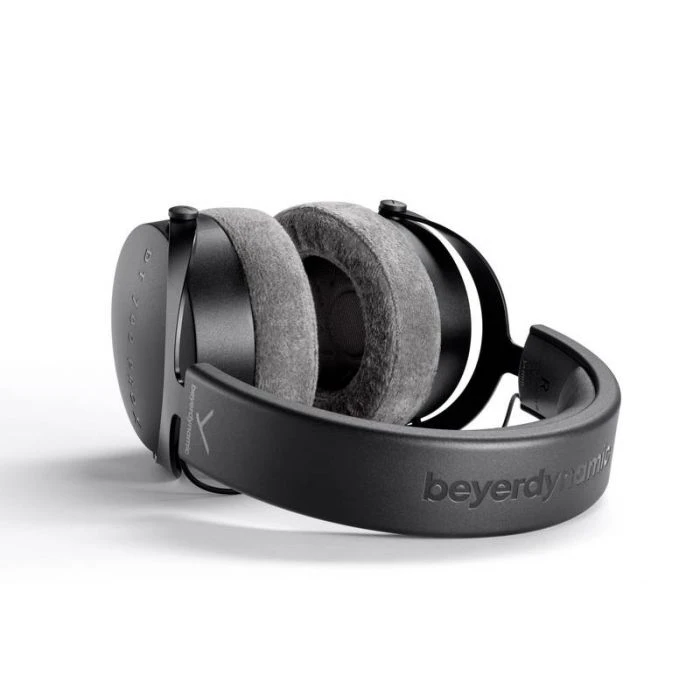

In a world saturated with headphones claiming “studio-quality,” few carry the pedigree, design thought, and balanced performance of the Beyerdynamic DT 700 Pro X. Launched as part of Beyerdynamic’s “PRO X” lineup, the DT 700 Pro X aims to marry professional-grade fidelity with comfort and versatility — and it largely succeeds. But “ultimate” is a high bar.
What Is the DT 700 Pro X — and Who It’s For
The DT 700 Pro X is a closed-back, over-ear studio headphone designed primarily for mixing, tracking, recording, and other professional audio work.
At 48 Ω impedance, it’s much easier to drive than classic high-impedance studio cans — meaning you don’t always need a high-voltage headphone amp.
It uses the newer “STELLAR.45” driver, a neodymium-magnet dynamic driver with a lightweight voice coil, engineered to deliver precise, distortion-free sound even at high volume levels.
In short: DT 700 Pro X is built for people who care about accuracy, neutrality, reliability, and comfort — producers, mixing engineers, podcast creators, or even serious home listeners.
Build, Design & Comfort: Solid Studio Workhorse
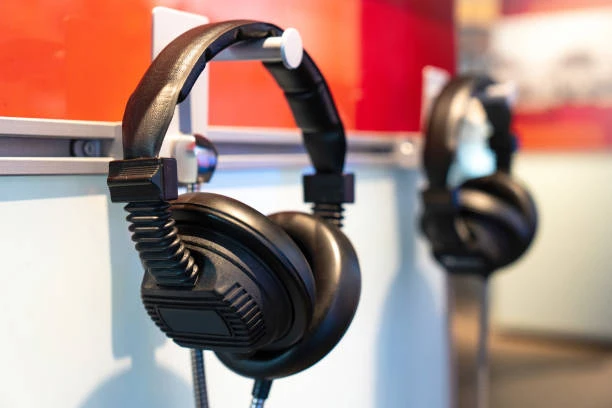
One of the first impressions with the DT 700 Pro X is build quality and comfort. The headphones mix robust materials (plastic + metal components) and thoughtful ergonomics: soft velour ear pads, memory-foam headband padding, and an adjustable fit.
A nice improvement over older models: the cable is detachable via a mini-XLR connector, making it easy to swap or replace — a big plus in studio or heavy-use setups.
Everyday durability is aided by replaceable pads and headband — meaning long-term ownership is realistic rather than speculative.
That said, “comfortable” is somewhat subjective. Some listeners report clamping force a bit firm, which can feel snug (maybe too snug) for longer sessions. Others mention even potential fatigue during extended wear, especially if they wear glasses or have sensitive ears.
So, while comfort and build are among its strengths, it’s worth acknowledging that personal head shape and sensitivity to clamping force or pressure can affect tolerance — what’s “fine” for one user may be “tight” for another.
Sound: Balanced, Detailed, Reference-Grade
Where DT 700 Pro X really shines is its sound quality — balanced, neutral, and accurate, without exaggerated bass or artificially boosted treble. That neutrality is exactly what many professionals look for when mixing or mastering.
The STELLAR.45 driver delivers a wide frequency response (5 Hz–40 kHz), giving both deep bass extension and clear, detailed highs.
Reviewers note tight, controlled bass (not boomy but accurate), natural mids, and crisp, clean treble — great for identifying instrumentation, mixing levels, or catching subtle details in recordings.
Stereo imaging, for a closed-back headphone, is praised: instruments and panned elements are positioned with good precision, giving a convincing soundstage for mixing.
Because of its neutral tuning, the DT 700 Pro X isn't “fun” in a consumer-headphone sense (i.e. bass boost for EDM, warm sound for movies). Instead, it's honest — what’s recorded is what you hear. That makes them excellent for studio work, critical listening, audio editing, and mixing — basically whenever “accuracy” is the priority.
Isolation & Practical Use: Close to Studio-Ideal
As a closed-back model, DT 700 Pro X offers good passive isolation. This helps in studio environments, especially for recording vocals or instruments — leakage is minimal, reducing the chance of headphone bleed into microphones.
This also makes them more versatile outside the studio: you could use them at home, or in shared spaces, without disturbing others — though their wired design and lack of folding make them less convenient for travel.
Because of the modest 48 Ω impedance and efficient driver design, they’re easy to drive from typical audio interfaces, laptops, or even portable DACs — no massive headphone amplifier required, which adds to their practicality.
This makes DT 700 Pro X a compelling middle-ground: studio-grade quality without the “high-voltage amp required” caveat of many classic pro headphones.
Pros & Cons — The Tradeoffs
Strengths
- Balanced, neutral sound — excellent for mixing, editing, critical listening.
- Wide frequency response & detailed driver — bass to highs with clarity.
- Comfortable build with velour pads and padded headband; replaceable components for longevity.
- Closed-back design: good for recording, mixing in untreated rooms, and blocking external noise.
- Easy to drive (48 Ω) — works with laptops, audio interfaces, portable gear.
Tradeoffs / Limitations
- Sound signature is neutral — not “exciting” or enhanced for casual listening. Bass isn’t boosted; treble isn’t exaggerated.
- Bulkier and heavier than some lighter consumer headphones; not foldable, so portability is limited.
- Some users find clamping force tight or get ear/head fatigue over long sessions.
- Lack of headset conveniences: no mic, no onboard controls, wired-only.
- Because it reveals everything, poor recordings or low-bitrate sources will sound worse — these headphones demand quality source material.
Verdict: Ultimate Studio Headphone — For Some, Yes
So — is the DT 700 Pro X the ultimate studio headphone? The answer depends on what “ultimate” means for you.
- If accuracy, neutrality, durability, and reliability are what you need — for mixing, mastering, editing, or serious listening — then yes, the DT 700 Pro X is among the best closed-back studio headphones in its price and design class. They deliver reference-grade sound, tight bass, detailed highs, broad frequency response, and comfort that’s tolerable for hours.
- If you prioritise casual enjoyment, bass-heavy music, mobility, or comfort for long lounging sessions, then maybe not. The neutral sound signature, firm clamping, wire-only design, and lack of consumer-focused extras make them less ideal as an “all-rounder.”
In short: the DT 700 Pro X is “ultimate” — if your priority is studio-level audio fidelity and honest sound reproduction. For that use-case, they shine. For anything more casual or consumer-oriented, you may prefer a different headphone.
Who Should (or Shouldn’t) Buy It
You should consider the DT 700 Pro X if you:
- Do audio production, mixing, mastering, recording, or critical listening.
- Want a reliable, durable headphone that reveals the truth of your audio.
- Often work in closed-back or less-treated rooms and need isolation.
- Prefer to drive headphones directly from a laptop, interface or modest amp (without needing high-voltage amplification).
You might skip them if you:
- Want “fun” sound — big bass, boosted treble, or coloured sound signature.
- Prioritise maximum comfort for lounging for many hours.
- Want wireless connectivity, built-in mic, or portable folding headphones.
- Use mostly low-bitrate compressed music or casual media where accuracy is less important.
Final Thoughts
The Beyerdynamic DT 700 Pro X is a thoughtfully engineered studio headphone that earns its place in any serious audio-centric environment. It doesn’t try to be a “jack-of-all-trades” — and that’s part of its strength. Instead, it commits fully to clarity, neutrality, durability, and professional-grade sound, making it a reference tool rather than a consumer toy.
For producers, engineers, or listeners who want to “hear what’s really there,” the DT 700 Pro X earns a strong recommendation. If you interpret “ultimate” as “most accurate and dependable for studio work,” then yes — these headphones very well fit that description.
But if your vision of the “ultimate headphone” includes booming bass, plush comfort, wireless freedom, or casual lounging, you may need a different pair. At the end of the day, “ultimate” depends on you and your use case.




























Sign in to leave a comment.