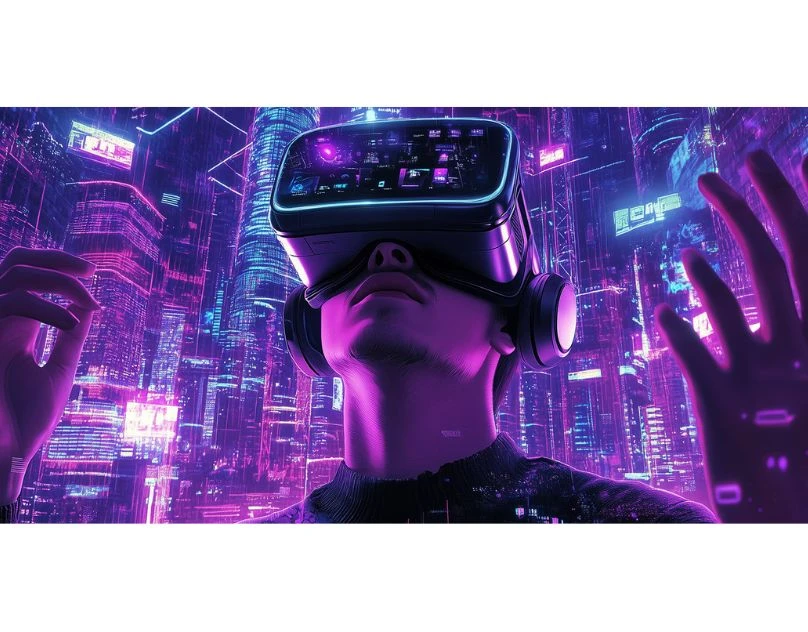
In 2025, immersive technology is reshaping the way brands engage with customers. By leveraging augmented reality (AR), virtual reality (VR), mixed reality (MR), and the metaverse, companies are crafting highly interactive and personalized experiences that bring products and services to life in new and exciting ways. Consumers are no longer just passive observers they are now active participants in their brand experiences, exploring virtual stores, attending live events, and engaging in tailored shopping journeys. This shift towards immersive engagement is fostering deeper emotional connections between brands and customers, allowing for more meaningful interactions. As this technology continues to advance, it is driving the future of customer engagement, enabling businesses to create impactful, memorable experiences that truly resonate with their audiences.
Defining Immersive Technology in 2025
In 2025, immersive technology has expanded to include a variety of advanced innovations such as augmented reality (AR), virtual reality (VR), mixed reality (MR), extended reality (XR), haptics, and spatial computing. These tools have moved beyond niche applications to become a crucial element in how businesses connect with customers across both digital and physical channels. Today, immersive technology allows users to enter virtual worlds, engage with 3D content, and interact with products and services in a way that feels incredibly lifelike. This shift marks a transformative moment where immersion is now a core component of brand strategy.
Hyper-Personalization Powered by Immersive Technology
Immersive technology, combined with artificial intelligence. is transforming how brands interact with customers by delivering highly personalized experiences. Instead of offering generic content, businesses now craft digital environments that adjust to each person’s preferences, past behaviour, and real-time actions. Whether it’s tailored product tours or interactive virtual stores, companies are creating engaging, seamless journeys that resonate with users. This level of personalization strengthens emotional connections, builds loyalty, and enhances conversion rates.
The Metaverse and the Future of Brand Engagement
The metaverse is becoming a key platform where brands can create lasting, immersive experiences that go beyond traditional websites and apps. In these virtual spaces, customers don’t just shop, they explore, interact, and socialize. Brands are building digital communities where users can attend virtual events, access exclusive content, and engage with products in a fully immersive environment. This new type of engagement allows brands to expand their presence and deepen connections through shared experiences that feel both innovative and familiar.
Virtual Shopping: The New Retail Frontier
In 2025, immersive technology is transforming retail. Consumers can now explore virtual stores, interact with realistic product displays, and even “try on” items through AR filters or VR showrooms without leaving their homes. These advancements are closing the gap between the ease of online shopping and the experience of in-store browsing. Sectors like fashion, real estate, and automotive are at the forefront, utilizing immersive tools to craft engaging, intuitive shopping experiences that enhance consumer confidence and boost sales
Immersive Customer Support and Training Experiences
The integration of AR and VR is making training and customer support more engaging and effective. Rather than relying on lengthy manuals or instructional videos, customers can now experience hands-on, immersive guidance through simulations. Whether troubleshooting a product or learning to use a service, users can follow real-time, step-by-step instructions. This approach not only boosts understanding and retention but also minimizes obstacles, leading to increased customer satisfaction and fewer support requests.
From Observers to Participants: A Shift in Brand Interaction
The traditional model of passive content consumption is rapidly disappearing. Immersive technology allows users to engage directly with the brand narrative. Through gamification, interactive digital spaces, and 360-degree storytelling, customers are no longer just passive viewers they actively participate. This shift transforms brand engagement from a one-way communication to an interactive dialogue, building stronger connections and promoting greater community involvement
Conclusion
In 2025, immersive technology is transforming the way brands interact with their audiences. With personalized virtual spaces, interactive support, and dynamic metaverse communities, the future of customer engagement is set to be emotional, immersive, and deeply human. Companies that embrace these advancements thoughtfully will not only differentiate themselves but also lead the way. The age of immersive engagement has arrived, and it’s reshaping the very essence of customer connection.
































Sign in to leave a comment.