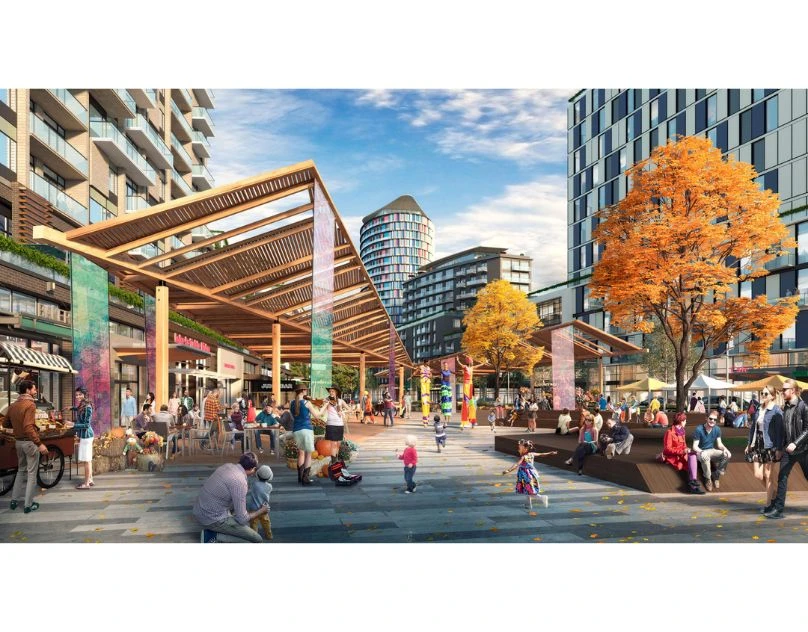
In today’s fast moving, design driven world, the real estate industry is experiencing a powerful shift. Simply showcasing stunning architecture or grand structures is no longer enough. The spotlight is now on experience design, a people first approach that considers how individuals feel, live, and engage with their surroundings. At Vestate, we believe the future of real estate lies not just in building spaces, but in crafting experiences that enrich lives and foster real human connection.
What Is Experience Design in Real Estate
Experience design in real estate focuses on crafting spaces that genuinely support the emotional, mental, and social well-being of the people who live, work, or interact within them.. While architecture provides the structure, experience design brings that structure to life. Whether it’s a home, workplace, or shared community area, the goal is to design environments that are not only functional but also deeply personal and emotionally fulfilling.
Architecture vs. Experience Design
Traditional architecture usually emphasizes visual beauty, durable construction, and maximizing space efficiency. Experience design goes a step further. It blends architecture with psychology, behavioural science, and storytelling. Where architecture might focus on the number of rooms and layout, experience design considers how morning light enters the bedroom, how sound travels through shared spaces, and whether the kitchen fosters social connection. It’s not just about how a building looks, but how it feels to live in.
The Emotional Blueprint
The environments we live and work in deeply influence our mood, focus, and overall quality of life. Experience design draws on this connection, using details like color, texture, scent, and lighting to create spaces that evoke the right emotions and atmosphere.A calming neutral palette, natural materials, and cosy corners can make a home feel safe and welcoming. In contrast, vibrant colours and open layouts can energize a workspace. These details may seem subtle, but they define the quality of life in a space.
Technology as a Design Tool
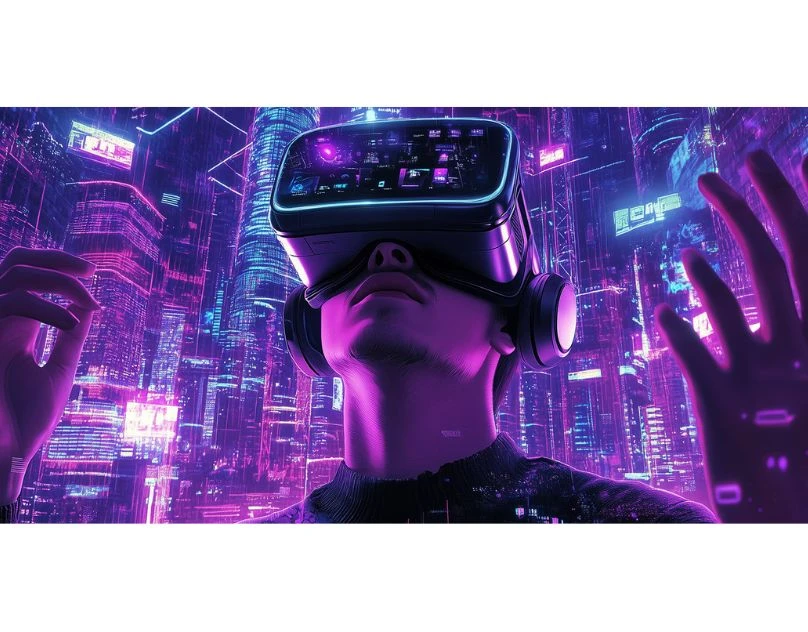
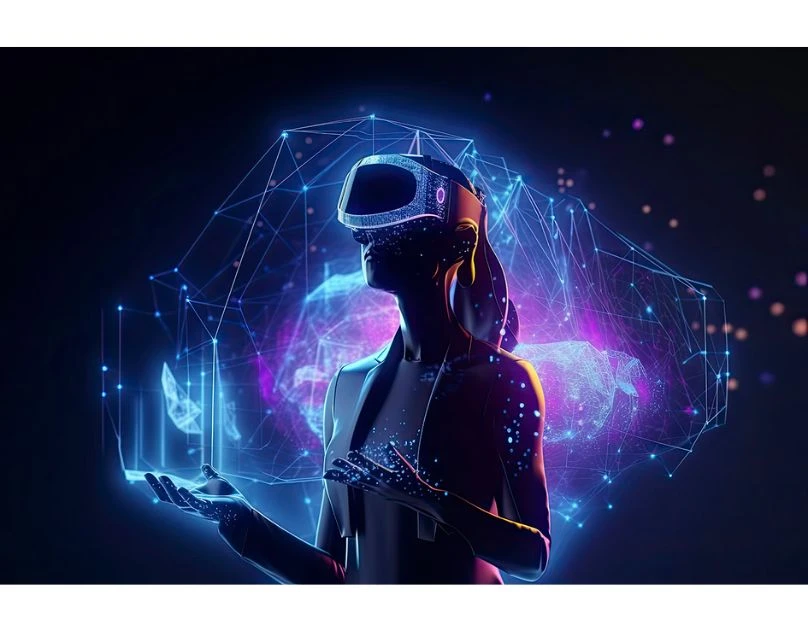
Technology plays a critical role in modern experience design. Smart home features, automated lighting, climate control, and integrated security systems are no longer luxuries they’re expectations. From virtual reality showrooms to AI-powered building management systems, technology enhances comfort, convenience, and connectivity.
The Future of Real Estate is Experiential
Today’s homebuyers and renters aren’t just focused on the size of a space—they want places that make them feel comfortable, inspired, and truly at home.They want homes that reflect their values, offices that boost creativity, and community spaces that encourage interaction. The rise of co-living, wellness communities, and lifestyle-driven developments is proof that people crave more than just shelter they crave experiences. Real estate that fails to deliver on this front risks becoming irrelevant.
From Living to Lifestyle
The line between living and lifestyle is becoming increasingly blurred. A home is no longer just a place to sleep. It's a fitness studio, a remote office, a sanctuary. Experience design acknowledges these evolving needs by creating flexible spaces that adapt to modern living. Features like multipurpose rooms, integrated wellness amenities, and community gardens are no longer extras they’re essentials.
Vestate’s Vision
At Vestate, we see the future of real estate in design that puts people first. Our philosophy blends outstanding architecture with purposeful experience design to craft spaces that not only look beautiful but genuinely feel good to live in. From carefully selected materials to smart technology and wellness focused features, we’re dedicated to building environments that enhance everyday life. Every project we create is driven by one core belief real estate should be built around people, not the other way around.
Creating a Sense of Belonging
Experience design also plays a vital role in building community. Shared spaces like lounges, rooftop gardens, and wellness zones are intentionally crafted to encourage connection and interaction. When people feel like they belong, they’re more likely to stay, invest emotionally, and build lasting relationships. That’s the power of experience design it turns buildings into homes and developments into thriving communities.
Conclusion
The real estate industry is shifting from a focus on structure to a focus on story from simply building walls to creating journeys. Experience design is no longer a luxury or trends it’s a necessity. As developers, designers, and buyers embrace this evolution, companies like Vestate are leading the way in redefining what it means to build a space worth living in. The future isn’t just about constructing buildings it’s about crafting experiences that stay with people long after they walk through the door.
























Sign in to leave a comment.