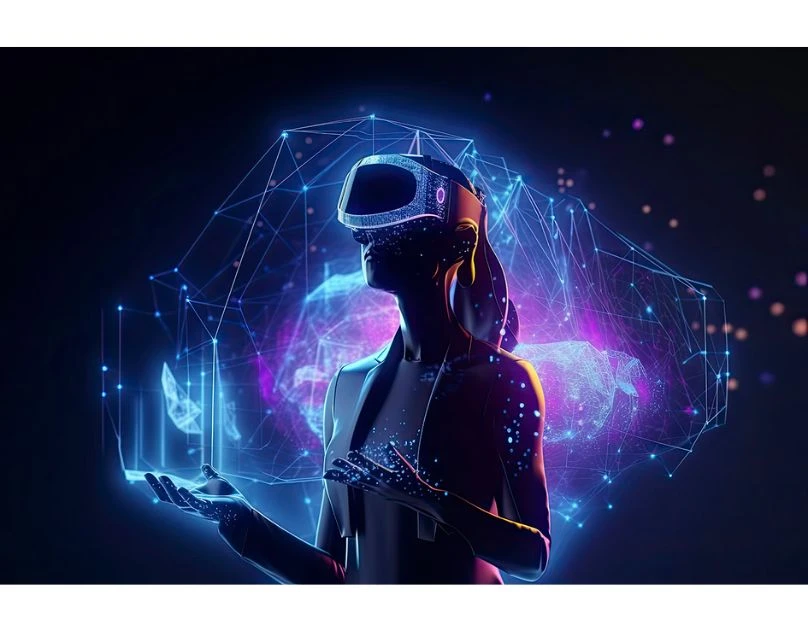
The internet is undergoing a major shift. With each tap, swipe, and virtual exchange, our digital interactions are becoming richer, more immersive, and tailored to individual preferences. Driving this change is the metaverse, a ground-breaking evolution in how we engage, communicate, learn, and shop online. It’s not just a passing trend; The metaverse is opening a new frontier in digital life, where 3D spaces, lifelike avatars, and real-time experiences are redefining what it means to connect in the virtual world. As more industries explore its potential, the metaverse is creating new opportunities for innovation and community building. From virtual storefronts to collaborative workspaces, this immersive realm is changing how we interact with both technology and each other.
What Is the Metaverse
The metaverse is an expansive, immersive digital realm that blends elements of the physical and virtual worlds. Built on advanced technologies such as virtual reality (VR), augmented reality (AR), artificial intelligence, and blockchain, it enables users to engage with dynamic environments and one another through customizable avatars. Within this interconnected space, real-time interactions give rise to thriving social and economic ecosystems. Whether it’s gaming, virtual workplaces, or online events, the metaverse is rapidly emerging as the next evolution of the internet.
A New Take on Digital Identity
This evolution of digital identity is also empowering users with greater control over how they represent themselves in different contexts—be it casual gaming, educational settings, or corporate meetings. People can switch between identities depending on the platform, offering flexibility that traditional social media can't match. Additionally, with advancements in blockchain and NFTs, users now truly own their digital assets, from avatar accessories to virtual real estate, further enriching their online presence and adding real-world economic value to their virtual identity.
Reimagining Social Interaction
Social media introduced the concept of online connection, but the metaverse elevates it into a fully immersive experience. In virtual environments, people can gather in shared spaces to play games, explore new worlds, attend live events, or simply hang out—creating moments that feel remarkably real. Platforms such as VR Chat and Horizon Worlds bring these interactions to life through expressive avatars, voice chat, and movement, allowing for deeper emotional connections and more meaningful digital relationships.
Transforming Business and Branding
Businesses are quickly realizing the power of the metaverse to build relationships with customers. Virtual storefronts and branded environments offer immersive shopping experiences, where users can explore products, try them on virtually, and make purchases—all without leaving the digital space. Brands like Nike, Adidas, and Gucci have launched virtual campaigns and digital products (NFTs) that users can wear or use within the metaverse.
The Future of E-commerce
E-commerce is no longer limited to flat websites and static images. In the metaverse, shoppers can walk through virtual stores, browse 3D product displays, and interact with AI-powered sales assistants. This gamified and interactive approach not only boosts engagement but also builds trust through experiential shopping. It’s a new era where digital retail feels more like a real-world adventure.
Training and Workforce Development
Organizations are turning to metaverse-based environments to enhance employee training experiences. From interactive sales scenarios to realistic technical simulations, these virtual spaces offer a safe, engaging way for staff to develop new skills. This approach not only improves retention and engagement but also reduces the costs and logistical challenges associated with traditional in-person training. By replicating real-world conditions in a controlled digital setting, employees can practice critical tasks, collaborate with remote teammates, and receive instant feedback—all without geographical limitations. It also opens the door for inclusive learning, where global teams can access consistent training experiences anytime, anywhere.
Economic Impact and Digital Ownership
The growing popularity of NFTs and virtual real estate is fuelling a thriving digital economy within the metaverse. Users, creators, and developers are monetizing their presence by buying and selling digital assets, owning virtual land, and offering services in these immersive environments. Powered by blockchain, this ecosystem enables secure, transparent transactions and gives users real ownership over their digital goods—opening up entirely new streams of income in the virtual world.
Entertainment Like Never Before
The metaverse is revolutionizing the entertainment industry by offering fully immersive experiences that go beyond passive viewing. Artists now perform live in virtual arenas, allowing fans to interact with each other, explore themed environments, and participate in the event in real time. These experiences often include gamified elements, exclusive digital collectibles, and fan-driven content, making each performance unique. It’s a new form of entertainment that blends creativity, community, and technology in powerful ways.
Challenges and Ethical Considerations
The metaverse offers exciting potential, but it also comes with serious challenges that demand attention. Concerns such as data privacy, cybersecurity, and screen-time addiction are becoming more pressing as users spend more time in immersive virtual environments. Ensuring safe, respectful, and inclusive spaces is essential for long-term growth. Developers, regulators, and platform owners must work hand-in-hand to create responsible guidelines that protect user rights, promote mental well-being, and foster trust in this new digital frontier.
Conclusion
The metaverse isn’t just a passing buzzword, it marks a fundamental shift in how we interact in the digital world. It’s redefining the way we socialize, educate, shop, and engage online. As creators, businesses, and users dive deeper into its possibilities, the foundation for the next generation of digital experiences is already taking shape. Choosing to embrace the metaverse today means stepping into a future where immersive and meaningful interactions become a natural part of everyday life.Its impact spans across industries, offering endless opportunities for innovation, collaboration, and storytelling. The metaverse is no longer a concept of the future, it's a digital reality unfolding right now, ready for those bold enough to lead the way.






























Sign in to leave a comment.