
Introduction:
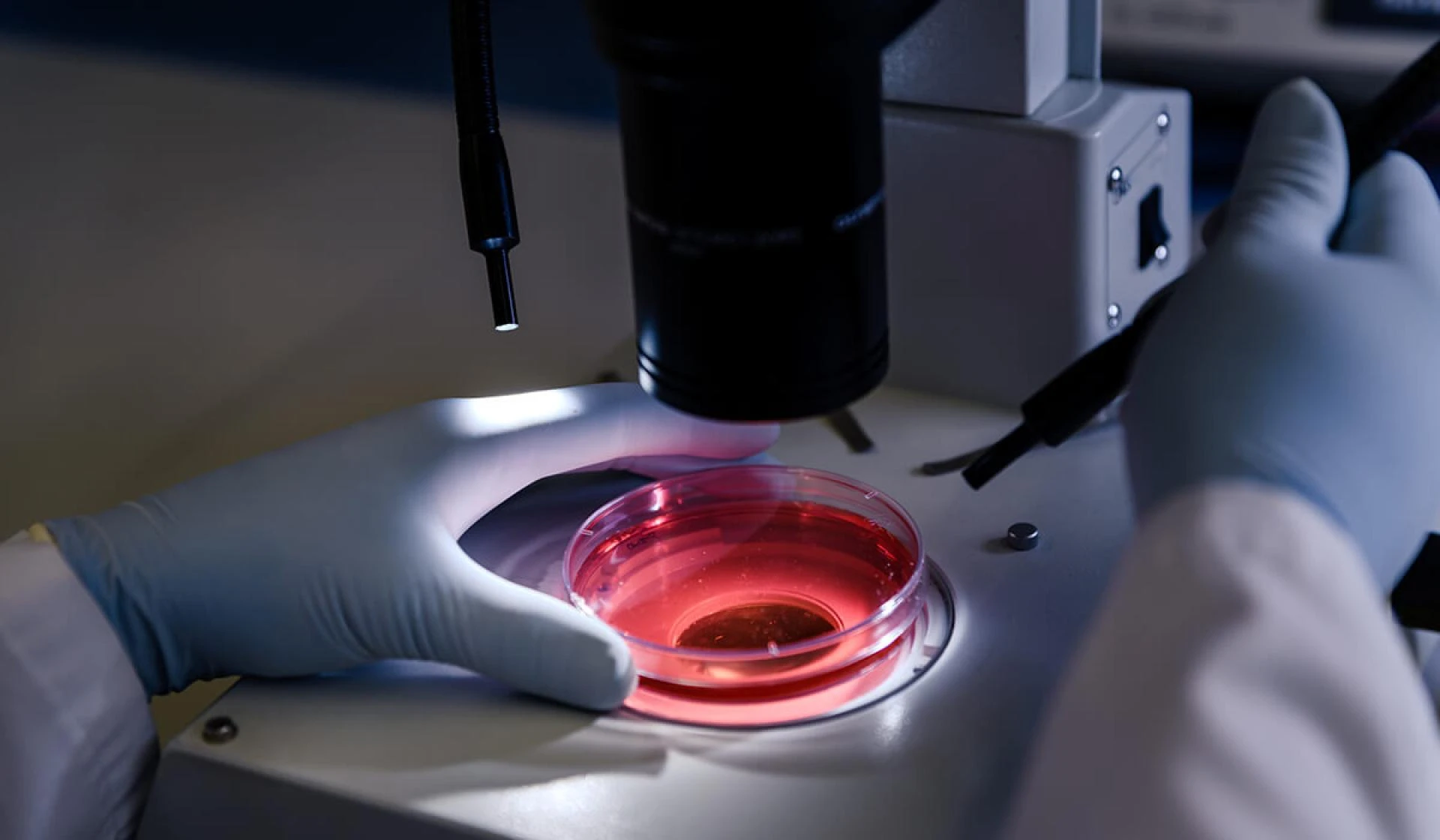
In vitro screening, a vital component of drug discovery and development, plays a pivotal role in advancing the field of pharmaceuticals. It allows researchers to assess the efficacy, safety, and pharmacokinetic properties of potential drug candidates before they progress to costly and time-consuming animal and clinical studies.
In this blog, we will delve into two key aspects of in vitro screening: In vitro ADME screening and In vitro drug screening. By exploring these techniques, we will uncover how they contribute to the development of new pharmaceuticals and revolutionize the drug discovery process.
In vitro ADME Screening: Absorption, Distribution, Metabolism, and Excretion are critical processes that determine how a drug interacts with the body. In vitro ADME screening involves conducting experiments on isolated cells or tissues to understand how a potential drug candidate will behave within the body. This screening method assesses parameters such as absorption through the gastrointestinal tract, distribution to target tissues, metabolism by enzymes, and excretion through various elimination routes.
One of the primary advantages of in vitro ADME screening is its ability to provide valuable information early in the drug discovery process. By evaluating a drug candidate's absorption potential, researchers can determine whether it will reach the intended target site in sufficient concentrations. Additionally, in vitro ADME screening aids in identifying any potential drug-drug interactions, allowing scientists to predict and mitigate risks associated with co-administration of multiple drugs.
Moreover, in vitro ADME screening techniques enable researchers to study the metabolism of drug candidates. They provide insights into how a compound is broken down by enzymes in the body, offering critical information about potential metabolic pathways and the formation of metabolites. This knowledge helps in optimizing drug candidates by identifying and modifying structures prone to metabolic instability, ensuring enhanced efficacy and reduced toxicity.
In summary, in vitro ADME screening is a valuable tool in the early stages of drug development. It assists researchers in understanding the pharmacokinetic properties of potential drug candidates, thereby helping to identify compounds with a higher chance of success in subsequent stages.
In vitro Drug Screening: Once potential drug candidates have successfully passed the initial ADME screening, the next crucial step in the drug development process is in vitro drug screening. This process involves testing drug candidates on specific cell lines or biological targets to evaluate their efficacy, selectivity, and potential adverse effects.
In vitro drug screening utilizes a wide range of techniques, including cell-based assays, biochemical assays, and receptor binding studies. These assays provide valuable insights into a drug candidate's mechanism of action, helping researchers understand how it interacts with specific cellular pathways or targets. By studying the drug's effect on various biological processes, scientists can gain a deeper understanding of its potential therapeutic benefits and potential side effects.
One notable advantage of in vitro drug screening is its ability to accelerate the identification of potential drug candidates. By conducting large-scale screenings on a variety of compounds, researchers can quickly evaluate their efficacy against specific diseases or targets. This high-throughput approach allows for the identification of lead compounds with promising pharmacological properties, reducing the time and cost associated with traditional drug discovery methods.
Furthermore, in vitro drug screening techniques enable researchers to explore the selectivity of a drug candidate. They help identify compounds that interact specifically with the desired target while minimizing off-target effects. This selectivity is crucial for designing drugs with high efficacy and minimal adverse effects.
Conclusion:
In vitro screening, encompassing both ADME screening and drug screening, plays a crucial role in the development of new pharmaceuticals. These techniques enable researchers to assess a drug candidate's pharmacokinetic properties, evaluate its efficacy, and understand its potential adverse effects. By employing in vitro screening methods, the drug discovery process becomes more efficient and cost-effective, reducing the reliance on animal and clinical studies.
In vitro ADME screening provides valuable information about a drug candidate's absorption, distribution, metabolism, and excretion, aiding in the early identification of compounds with the potential for success. On the other hand, In vitro drug screening allows for the rapid evaluation of large numbers of compounds, accelerating the identification of lead candidates with therapeutic potential.
By utilizing in vitro screening, researchers can optimize the drug development process, identifying and advancing promising candidates while minimizing risks and costs associated with unsuccessful compounds. Ultimately, in vitro screening techniques contribute significantly to the development of new pharmaceuticals, revolutionizing the field and improving the efficiency of drug discovery for the benefit of patients worldwide.





























Sign in to leave a comment.