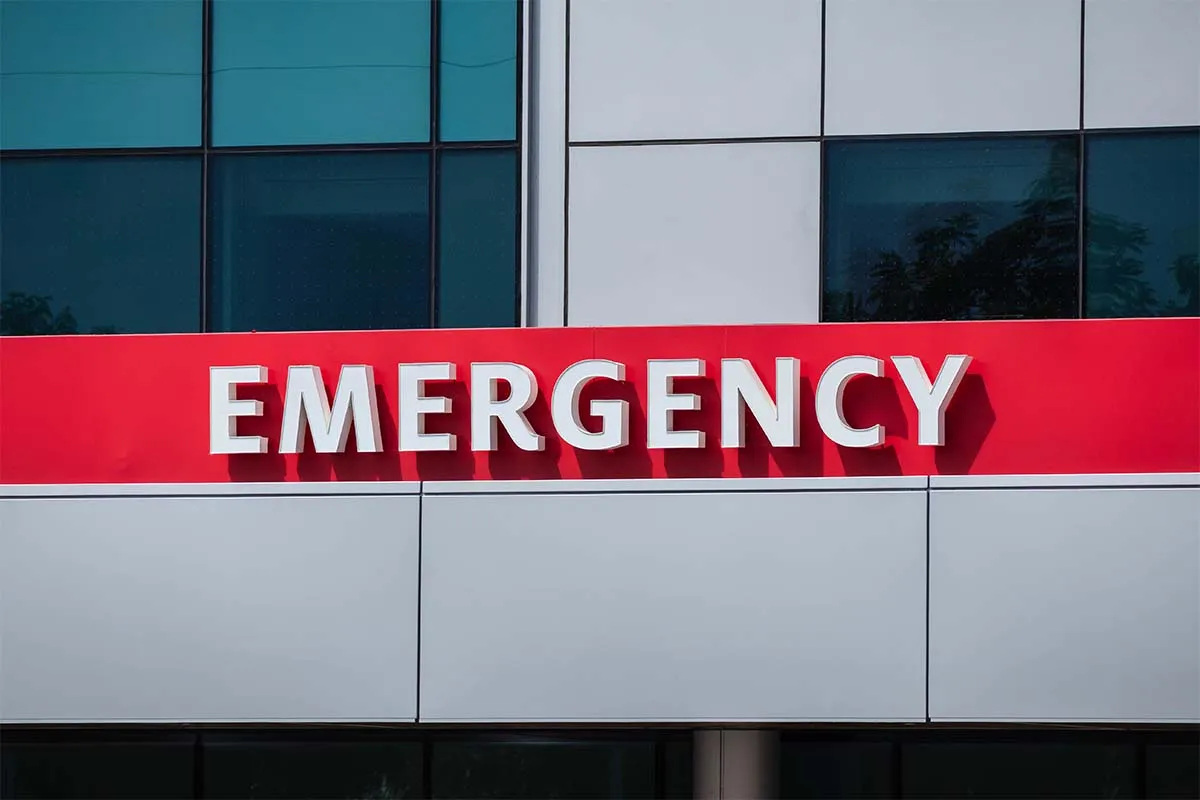

When a health scare pops up, neighbors want a clear plan. As someone who helps organize our community events, I’ve seen how quickly a busy day can turn into a dash to the ER. Whether it’s a kitchen cut, a child’s fever, or sudden chest pain, knowing what to expect helps you act fast and stay calm. Many of us have typed hospital near me in a rush, but a little prep now can save precious minutes later. Here’s a down-to-earth look at emergency care, what conditions usually bring folks in, and how teams work to keep families informed and safe.
Common Reasons People Head In
Emergency teams see a wide mix of concerns. Heart symptoms are a top priority, including Chest Pain, Shortness of Breath, High Blood Pressure (Hypertension), Blood Clots, and a Fast Heart Rate (Tachycardia). Quick checks, like an EKG and blood work, help sort out urgent risks. For possible Stroke, time matters. Staff look for changes in speech, face droop, vision problems, and weakness on one side. If you or a loved one notices these, call for help right away.
Abdominal Pain is another frequent reason to visit. It can range from a stomach bug to something that needs imaging to understand. Dehydration, Fever / Flu, and Asthma / Wheezing tend to spike when seasons change or school is back in session. Allergic Reactions can happen any time, from food, stings, or new products. Cuts and Lacerations, Fractures and Dislocations, Head Injuries and Concussions, and Burns often follow yard projects, sports, or kitchen mishaps. With each of these, it helps to bring a list of current medicines and any allergies you know about.
How Care Teams Triage and Treat
From the moment you arrive, triage starts. A nurse checks vital signs, asks what happened, and looks for red flags like severe pain, trouble breathing, or signs of stroke. This quick step guides who needs a room first. From there, the team may order an X-Ray for suspected breaks or a CT Scan for head injuries, certain abdominal issues, or stroke symptoms. These tools help spot problems that a physical exam alone could miss.
During respiratory season, a PCR Respiratory Panel (22 Tests in 1) may be used to sort out viruses and guide next steps. If there’s a concern about exposure, STI Testing and Treatment is handled with privacy and care. Wounds are cleaned and closed when needed, and splints help protect injuries before follow-up with specialists. The goal is to stabilize, explain findings in plain language, and make a safe plan for discharge or further care. Families appreciate updates as results come in, so it’s fine to ask what test is next and how long it might take.
Planning Ahead for Local Emergencies
In our neighborhood meetings, we talk about preparation just like we do for storms. Keep a simple go-bag near the door: ID, insurance card, a medication list, and a phone charger. Add a small card with your doctor’s name and any major conditions, like asthma or hypertension. For kids, note weight and any drug reactions. Families with infants or elders might include spare diapers, snacks, and a light sweater; ERs can feel cool.
Parents also ask where to turn for young patients. If you ever need a pediatric er league city option, it helps to know which departments are comfortable with children’s sizes, symptoms, and calm communication. For adults, find a plan that covers the emergency room league city residents use most, and check parking entrances ahead of time. Mapping these details on a calm day makes it easier to move when minutes count. If you’re coordinating for your household, share your plan so anyone can step in if you’re not home.
Seasonal patterns matter too. Heat brings more Dehydration and heat-related Asthma / Wheezing, while winter can bring spikes in Fever / Flu. Sports seasons raise the chance of Fractures and Dislocations and Head Injuries and Concussions. Keep safety gear handy and make sure first-aid supplies are stocked. If a burn or deep cut happens, cool the area with clean water, cover it lightly, and head in for evaluation rather than trying to fix it all at home. For those seeking an always-open option, some neighbors look for a 24 7 er league city listing in their phone so they don’t waste time searching.
Emergencies don’t follow a schedule, but a little planning goes a long way. Know your closest entrances, keep your information ready, and talk through a family plan. With a clear head and a simple checklist, you can help the team focus on what matters most: your care, your comfort, and getting you safely to the next step.
Elitecare Emergency Hospital
Address: 2530 Gulf Fwy, League City, TX, 77573
Phone: 281-337-7500
Website: https://elite24er.com/
Business Hours: Monday – Sunday: Open 24 Hours



























Sign in to leave a comment.