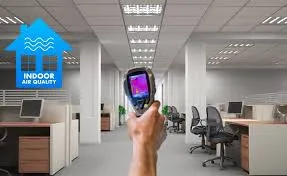

The Growing Importance of Indoor Air Monitoring
Workplaces today are designed to enhance productivity, collaboration, and employee well-being. However, one factor that often goes unnoticed is the quality of the air people breathe throughout the day. Indoor air monitoring plays a crucial role in maintaining a safe and comfortable environment by continuously tracking air conditions and identifying potential risks before they escalate. As businesses become more aware of health and safety standards, monitoring indoor air is no longer optional but a necessary part of responsible workplace management.
Understanding Indoor Air Monitoring in Practice
Indoor air monitoring refers to the ongoing assessment of air quality within enclosed spaces using specialized sensors and monitoring systems. These systems measure factors such as particulate matter, carbon dioxide levels, humidity, temperature, and airborne chemicals. Unlike one-time testing, monitoring provides continuous insights, allowing businesses to observe patterns and respond quickly to any changes. This real-time awareness helps maintain consistent air quality, which is essential for both employee health and operational efficiency.
The Link Between Air Quality and Workplace Safety
Poor indoor air quality can quietly affect workplace safety. When harmful pollutants accumulate, they may lead to respiratory problems, irritation, or long-term health concerns. In industrial or construction-related environments, the risks can be even more significant due to exposure to dust and chemical emissions. Indoor air monitoring helps detect these issues early, giving organizations the opportunity to implement control measures such as improved ventilation or filtration. By addressing these risks proactively, businesses can create a safer working environment and reduce the likelihood of health-related disruptions.
Enhancing Comfort and Productivity Through Clean Air
Comfort in the workplace goes beyond furniture and lighting. The air employees breathe directly impacts how they feel and perform. High carbon dioxide levels, for example, can cause fatigue and reduce concentration, while improper humidity can lead to discomfort and dryness. Indoor air monitoring ensures that these factors remain within optimal ranges, supporting a more pleasant and productive atmosphere. When employees feel comfortable, they are more likely to stay focused, engaged, and motivated throughout the day.
Identifying Hidden Pollutants in Indoor Spaces
Many indoor pollutants are not visible, making them difficult to detect without proper monitoring systems. Volatile organic compounds released from office equipment, cleaning products, and building materials can linger in the air over time. Similarly, mould growth caused by excess moisture can go unnoticed until it becomes a serious issue. Indoor air monitoring helps identify these hidden pollutants early, allowing businesses to take corrective action before they impact health or damage property.
Supporting Compliance and Industry Standards
Maintaining good indoor air quality is not just about comfort; it is also closely linked to regulatory compliance. Many industries are required to meet specific environmental and occupational health standards. Indoor air monitoring provides documented data that demonstrates compliance with these requirements. This data can be valuable during inspections, audits, or when addressing employee concerns. By staying ahead of regulations, businesses can avoid potential penalties and build trust with their workforce.
Practical Steps After Monitoring Insights
The value of indoor air monitoring lies in how the collected data is used. Once potential issues are identified, businesses can take targeted actions to improve air quality. This may include upgrading ventilation systems, maintaining HVAC units, or adjusting humidity levels. Over time, consistent monitoring and adjustments create a stable indoor environment that supports both safety and comfort. It also allows organizations to adapt quickly to seasonal changes or evolving workplace conditions.
Conclusion
Indoor air monitoring is an essential component of a healthy and efficient workplace. By continuously tracking air quality and responding to potential risks, businesses can protect employee well-being while improving overall comfort and productivity. A well-monitored environment not only supports daily operations but also reflects a commitment to safety and sustainability. For organizations looking to maintain high standards of indoor air quality, Enviro Corp offers reliable solutions tailored to modern workplace needs.



























Sign in to leave a comment.