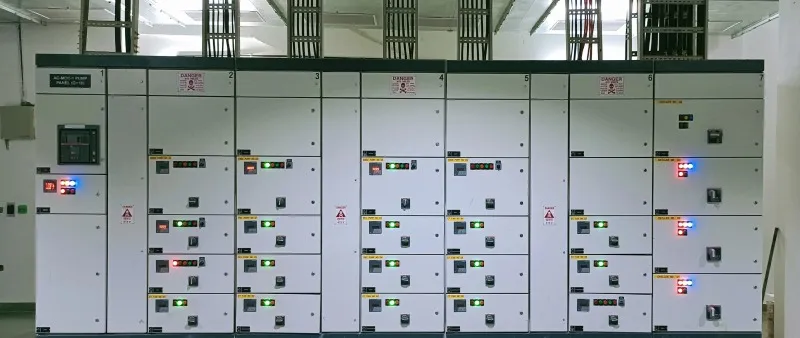

Industrial facilities face complex safety and infrastructure challenges that cannot be solved with isolated systems. From fire hazards and ventilation requirements to electrical services and building utilities, every component must work together reliably. This is why choosing experienced Industrial fire fighting contractors in india is an important consideration for factories, warehouses, commercial buildings, process plants, and other large-scale facilities.
A well-planned fire protection system does more than respond to emergencies. It helps identify potential risks, supports regulatory compliance, protects critical assets, and improves the overall resilience of a facility. When fire protection is coordinated with HVAC and MEPF systems from the planning stage, businesses can achieve a safer and more efficient built environment.
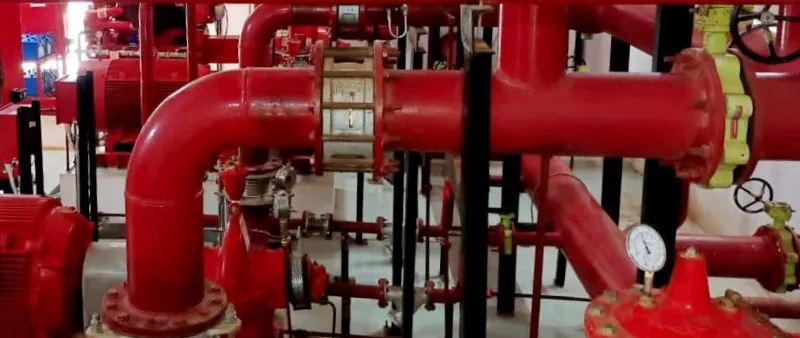
Why Industrial Fire Protection Requires Specialist Expertise
Industrial environments often contain machinery, electrical equipment, combustible materials, chemicals, fuel, packaging, or high-temperature processes. These conditions can create different types of fire risks depending on the nature of the operation.
Professional contractors begin by understanding the facility rather than simply installing standard equipment. Factors such as building layout, occupancy, processes, storage arrangements, fire load, access routes, and emergency response requirements can influence the appropriate protection strategy.
A properly developed system may include:
- Fire hydrant and sprinkler systems
- Fire pumps and pump rooms
- Fire detection and alarm systems
- Emergency response equipment
- Fire suppression solutions
- Smoke management provisions
- Fire water storage and distribution
- Testing and maintenance support
The objective is to create a coordinated protection system that can respond effectively when it matters most.
What to Look for in Fire Fighting Contractors in India
Selecting Fire fighting contractors in india should not be based solely on installation cost. Fire protection is a long-term safety investment, so technical capability, project experience, engineering quality, and after-sales support deserve equal attention.
An experienced contractor should be able to understand project-specific requirements, coordinate with other engineering teams, and deliver systems according to applicable safety requirements and project specifications.
Businesses should consider whether a contractor can provide:
- Detailed engineering and system design
- Site assessment and risk evaluation
- Quality equipment and components
- Professional installation
- Testing and commissioning
- Documentation and system handover
- Maintenance and technical support
This comprehensive approach reduces the risk of gaps between design, installation, and actual facility requirements.
The Importance of HVAC in Industrial Facilities
Fire safety is only one part of a facility's infrastructure. Temperature control, ventilation, air quality, and pressure management can directly influence operational efficiency and occupant comfort.
A qualified hvac contractor in india can help businesses develop HVAC systems suited to the building's size, processes, occupancy, and environmental requirements. Industrial HVAC applications can be considerably different from conventional commercial buildings because manufacturing processes may generate heat, dust, fumes, or other environmental challenges.
An effective HVAC strategy can help with:
- Temperature and humidity control
- Industrial ventilation
- Air filtration
- Energy efficiency
- Process cooling requirements
- Indoor environmental conditions
- Equipment reliability
Importantly, HVAC design must also account for fire and smoke control requirements where applicable. Coordination between HVAC and fire protection teams is therefore essential.
MEPF Integration Creates a More Reliable Facility
Large projects rarely involve a single engineering discipline. Mechanical, electrical, plumbing, and fire protection systems interact throughout a building, making coordination essential during design and execution.
Working with an experienced MEPF Contractor in india can help bring these interconnected systems together under a coordinated engineering approach.
MEPF coordination can help address issues such as equipment placement, service routes, ceiling space, pipe networks, electrical requirements, maintenance access, and system interfaces before they become expensive site problems.
For example, fire protection piping, HVAC ducts, electrical trays, plumbing lines, and structural elements may compete for the same physical space. Proper coordination during the design phase can reduce clashes and unnecessary modifications during construction.
Common Challenges in Industrial Fire Protection Projects
Industrial projects can present several practical challenges. Existing buildings may require upgrades without interrupting production, while new facilities need fire protection systems integrated into the construction plan from the beginning.
Some common concerns include:
- Limited installation space
- Complex building layouts
- High fire loads
- Integration with existing systems
- Production downtime during upgrades
- Coordination with multiple contractors
- Testing and commissioning requirements
- Long-term maintenance
Experienced engineering teams can identify these challenges early and develop solutions around the actual operating environment.
How Technology Is Changing Building Safety
Modern facilities increasingly depend on smarter monitoring and integrated infrastructure. Fire detection systems, centralized monitoring, automation, energy-efficient HVAC equipment, and digital building management technologies are changing how facilities are operated and maintained.
The trend is moving toward systems that are not only installed correctly but also monitored, tested, documented, and maintained throughout their operational life.
This makes contractor selection increasingly important. Businesses need technical partners who understand both traditional engineering fundamentals and the evolving requirements of modern facilities.
Choosing the Right Engineering Partner
Before appointing a contractor, businesses should assess the company's technical experience, project portfolio, engineering capabilities, safety approach, and ability to coordinate multiple disciplines.
A strong partner should be willing to understand the facility's specific requirements instead of offering a one-size-fits-all solution. Clear documentation, transparent communication, quality control, and proper commissioning are equally important.
The right contractor can become more than an installation vendor. They can support the project from planning and engineering through execution, testing, handover, and ongoing maintenance.
Conclusion
Experienced Industrial fire fighting contractors in india play an important role in protecting people, infrastructure, equipment, and business continuity. However, effective facility engineering requires more than fire protection alone. Coordinating fire safety with HVAC, electrical, plumbing, and other building services creates a more dependable and efficient environment.
Whether you need specialized fire protection, an experienced hvac contractor in india, or an integrated MEPF Contractor in india, selecting a technically capable engineering partner can make a significant difference to project performance. With the right planning, coordination, and ongoing support, businesses can build facilities that are safer, more efficient, and better prepared for the demands of modern operations.






























Sign in to leave a comment.