
Industrial operations today face constant pressure to maintain productivity while adapting to changing market conditions. Manufacturers, logistics providers, and energy companies must balance labour availability, safety requirements, and cost control, often in environments where workforce needs shift rapidly. Industrial staffing plays a critical role in helping organisations manage these challenges with greater stability and flexibility.
This article explains how industrial staffing supports manufacturers and other industrial sectors in managing labour demand and sustaining productivity, while addressing common workforce issues faced on the ground.
Understanding Industrial Staffing
Industrial staffing refers to the structured sourcing, deployment, and management of workers for operational roles across industries such as manufacturing, logistics, warehousing, construction, and energy. These roles may include machine operators, technicians, warehouse associates, skilled trades, maintenance staff, and project-based specialists.
Unlike traditional hiring, industrial staffing focuses on aligning workforce availability with operational demand. It allows businesses to adjust headcount based on production cycles, project timelines, or seasonal requirements without disrupting core operations.
For labour-intensive industries, this approach provides a practical framework for workforce planning rather than a reactive response to shortages.
Why Industrial Staffing Is Critical Across Key Industries
Manufacturing
Manufacturers often experience fluctuating production volumes due to market demand, supply chain changes, or new product launches. Industrial staffing enables quick workforce adjustments to support production targets without long-term hiring commitments.
Logistics and Warehousing
E-commerce growth and variable shipment volumes create peaks and troughs in labour demand. Staffing models help warehouses scale teams during high-volume periods while maintaining efficiency and order accuracy.
Construction
Construction projects are typically time-bound and skill-specific. Industrial staffing supports access to qualified labour for defined phases, reducing delays caused by talent shortages.
Energy and Utilities
Energy projects require strict compliance, technical skills, and workforce readiness. Staffing solutions help ensure access to trained personnel while meeting regulatory and safety standards.
Across these sectors, industrial staffing acts as a workforce stabiliser in environments where operational continuity is essential.
Common Workforce Challenges in Industrial Operations
Labour Shortages
Many industrial sectors face ongoing labour shortages due to ageing workforces, skill mismatches, and changing workforce expectations. These shortages can directly impact output, delivery timelines, and operational reliability.
Fluctuating Demand
Seasonality, project-based work, and market volatility create inconsistent labour needs. Permanent staffing alone often lacks the flexibility to manage these variations effectively.
Safety and Compliance Requirements
Industrial workplaces are governed by strict safety regulations. Hiring workers who are not adequately trained or compliant increases operational risk and liability.
Skills Gaps
Advanced machinery, automation, and digital tools have increased the demand for skilled and semi-skilled workers. Finding talent with the right technical capabilities remains a challenge for many employers.
Workforce Turnover
High turnover in industrial roles leads to frequent rehiring, retraining costs, and productivity loss. Maintaining workforce stability without overstaffing is a persistent issue.
Industrial staffing addresses these challenges through structured workforce planning rather than ad hoc hiring.
How Industrial Staffing Supports Operational Continuity
Operational continuity depends on having the right number of capable workers available at the right time. Industrial staffing supports this by:
- Ensuring workforce availability during peak production periods
- Reducing downtime caused by absenteeism or sudden labour gaps
- Allowing quick replacement of workers without halting operations
- Supporting long-term planning through workforce forecasting
By maintaining a steady flow of job-ready workers, businesses can minimise disruptions and keep production schedules on track.
Improving Productivity Through Workforce Alignment
Productivity in industrial settings is closely tied to workforce readiness and role alignment. Industrial staffing improves productivity by:
- Matching worker skills to specific operational roles
- Reducing onboarding time through pre-screened and trained candidates
- Allowing supervisors to focus on output rather than constant hiring
- Supporting consistent shift coverage and team balance
When workers are properly aligned with tasks, error rates decrease, output improves, and operational efficiency becomes more predictable.
Cost Control and Workforce Efficiency
Labour is one of the largest cost components in industrial operations. Industrial staffing helps manage these costs by:
- Avoiding overstaffing during low-demand periods
- Reducing overtime expenses through better workforce planning
- Limiting long-term employment costs for short-term needs
- Minimising costs associated with turnover and rehiring
By converting fixed labour costs into more flexible structures, organisations gain better control over operational expenditure without compromising output.
Key Industrial Staffing Models
Temporary Staffing
Temporary staffing is commonly used to manage seasonal demand, production spikes, or short-term labour shortages. Workers are deployed for defined periods, providing flexibility without long-term commitments.
Contract Staffing
Contract staffing supports roles requiring specific skills for a set duration. This model is often used for technical positions, maintenance projects, or system upgrades.
Permanent Hiring Support
Industrial staffing is not limited to short-term needs. It also supports permanent hiring by sourcing candidates who align with long-term operational and cultural requirements.
Project-Based Staffing
Large-scale industrial projects often require dedicated teams for defined timelines. Project-based staffing ensures workforce availability throughout the project lifecycle without impacting core operations.
Using a combination of these models allows organisations to build a balanced workforce strategy.
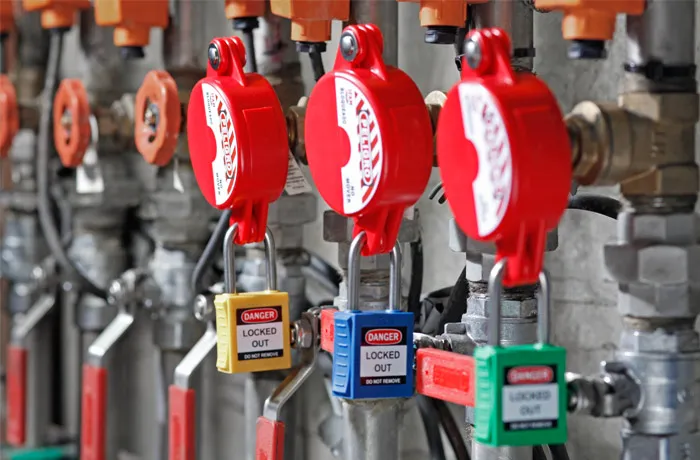
The Role of Safety Training and Compliance
Safety is a non-negotiable priority in industrial environments. Effective industrial staffing places strong emphasis on:
- Pre-employment safety training
- Compliance with local labour laws and industry regulations
- Verification of certifications and technical competencies
- Ongoing safety awareness and readiness
Workers who understand safety protocols contribute to fewer incidents, reduced downtime, and a safer work environment overall.
Workforce Readiness and Skill Development
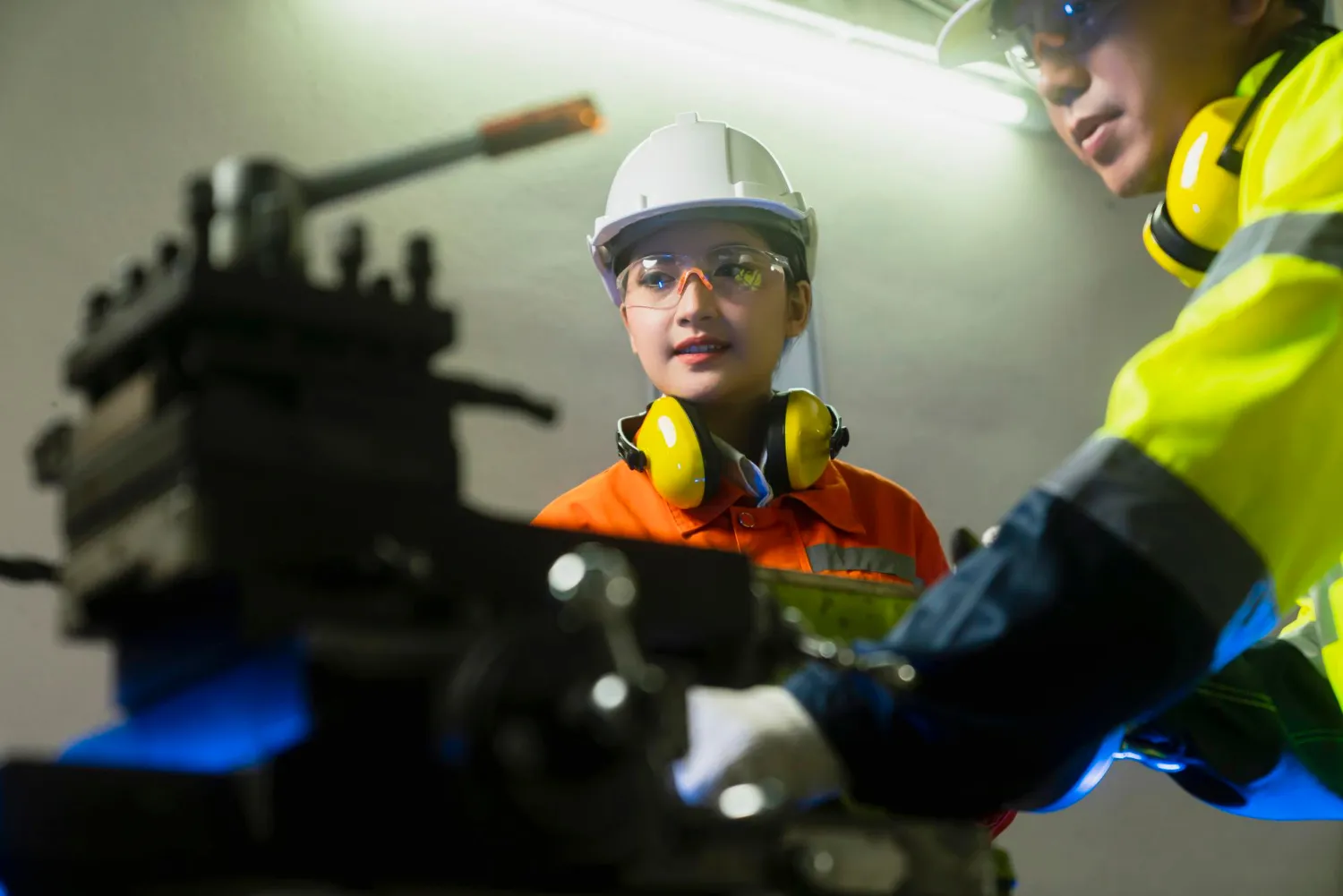
Workforce readiness goes beyond availability. It includes the ability of workers to perform effectively from day one. Industrial staffing supports readiness by:
- Deploying workers familiar with industrial environments
- Reducing learning curves through relevant experience
- Supporting upskilling and role-specific training when required
This approach helps businesses adapt to new technologies and operational changes without compromising productivity.
- Real-World Workforce Scenarios
- In practice, manufacturers often rely on industrial staffing to manage:
- Production ramp-ups during peak seasons
- Workforce shortages caused by absenteeism or attrition
- New facility launches or production line expansions
- Maintenance shutdowns and turnaround projects
In each scenario, staffing flexibility allows organisations to respond quickly while maintaining operational standards.
Industrial staffing plays a vital role in helping manufacturers and industrial organisations manage labour demand, productivity, and operational risk. By offering flexible workforce models, supporting safety and compliance, and aligning skills with operational needs, it provides a structured solution to ongoing workforce challenges.
For business leaders, plant managers, and HR professionals, industrial staffing is not simply a hiring mechanism. It is a workforce strategy that supports stability, efficiency, and long-term operational resilience in complex industrial environments.
























Sign in to leave a comment.