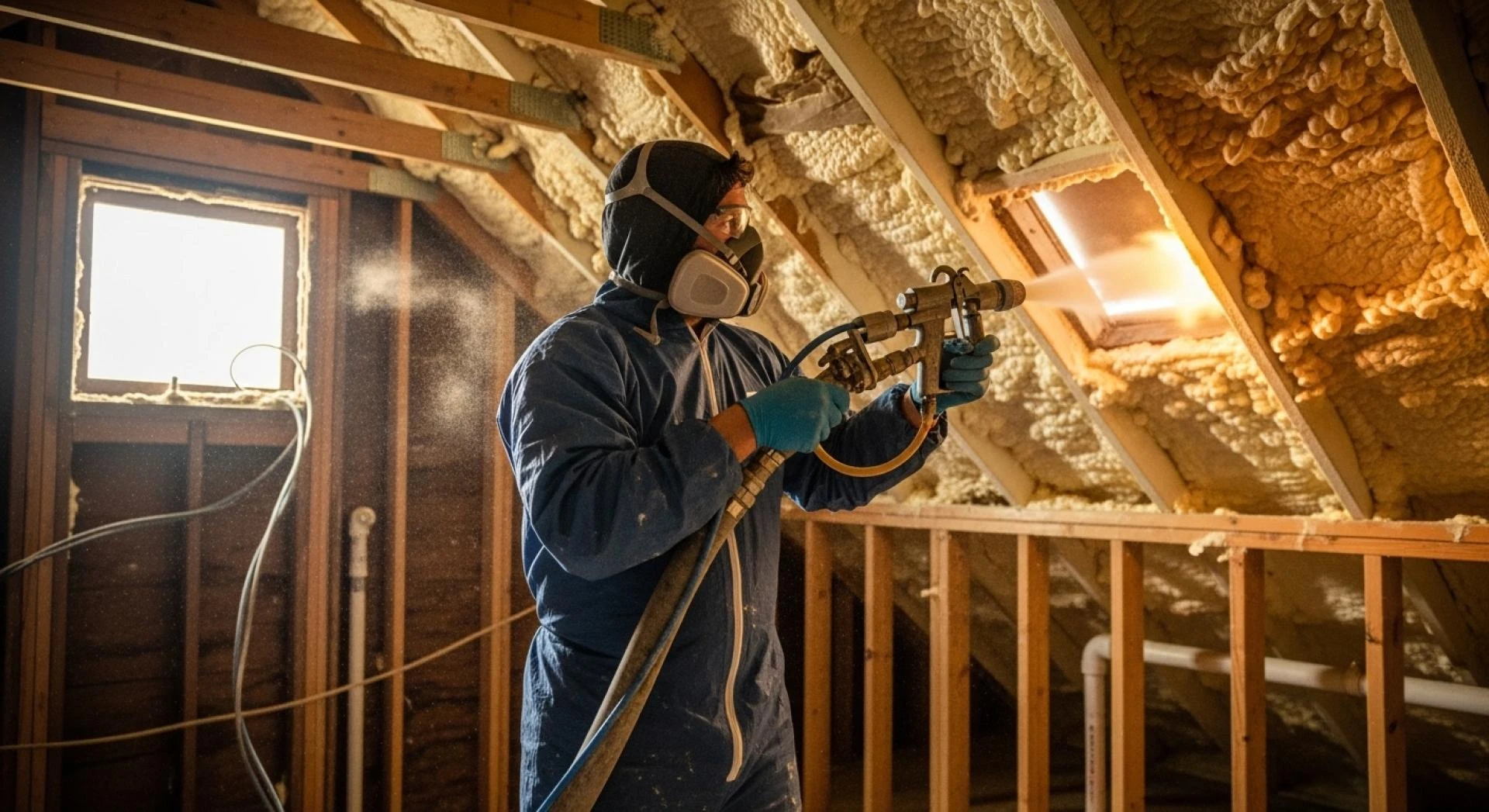

Insulation directly affects how comfortable each floor of a building feels by controlling heat flow, air movement, and moisture transfer between levels. When insulation is installed correctly in attics, walls, and between floors, it reduces temperature swings and prevents one level from feeling too hot or too cold.
In multi-story homes and commercial buildings, poor insulation often causes hot upper floors and chilly lower levels. Insulation experts understand that balanced insulation is essential for maintaining steady indoor temperatures and lowering overall energy use. This article explains how that works and what property owners should know before making upgrades.
This guidance reflects hands-on industry experience in residential and commercial projects, including spray foam, fiberglass, and cellulose applications across varied climates.
Why Temperature Varies Between Floors
Temperature differences between floors are common. Warm air rises while cooler air settles, which leads to uneven comfort if insulation and air sealing are weak.
Upper floors often overheat in summer. Lower floors may feel drafty in winter. The issue is not always the HVAC system. In many cases, the problem starts with insulation gaps.
Stack Effect and Air Movement
Air moves through a building from bottom to top. This natural movement is called the stack effect.
When attic insulation is thin or poorly installed, heat enters easily during summer. In winter, warm indoor air escapes upward. Both issues increase energy bills and reduce comfort.
Insulation Gaps Between Levels
Many buildings lack proper insulation between floors. This allows noise, heat, and conditioned air to transfer freely.
Common trouble spots include:
- Open wall cavities that connect floors without air sealing
- Recessed lighting and duct chases that allow heat to pass upward
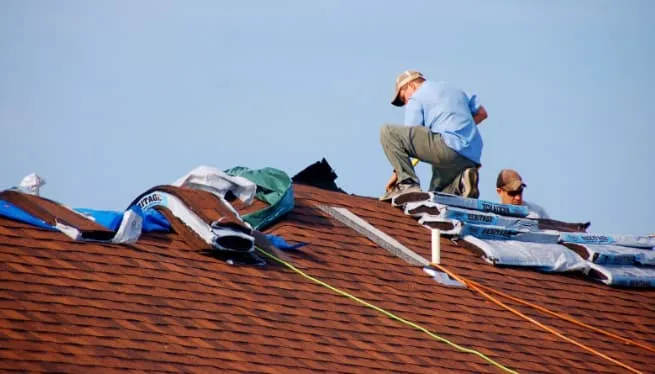
- Poorly insulated attic spaces that expose upper floors to outdoor temperatures
How Insulation Balances Comfort Across Floors
The right insulation system slows heat transfer and reduces airflow between levels. This creates more stable indoor conditions year-round.
According to industry data, proper attic insulation alone can cut heating and cooling costs by up to 15 percent. In multi-story buildings, the impact is even greater because upper floors are more exposed to outdoor heat.
Attic Insulation and Upper Floors
The attic has the biggest effect on second-floor comfort.
R Value Matters
Higher R-values provide better resistance to heat flow. In warm regions like the Gulf Coast, attic insulation often needs R-38 to R-49 to maintain comfort.
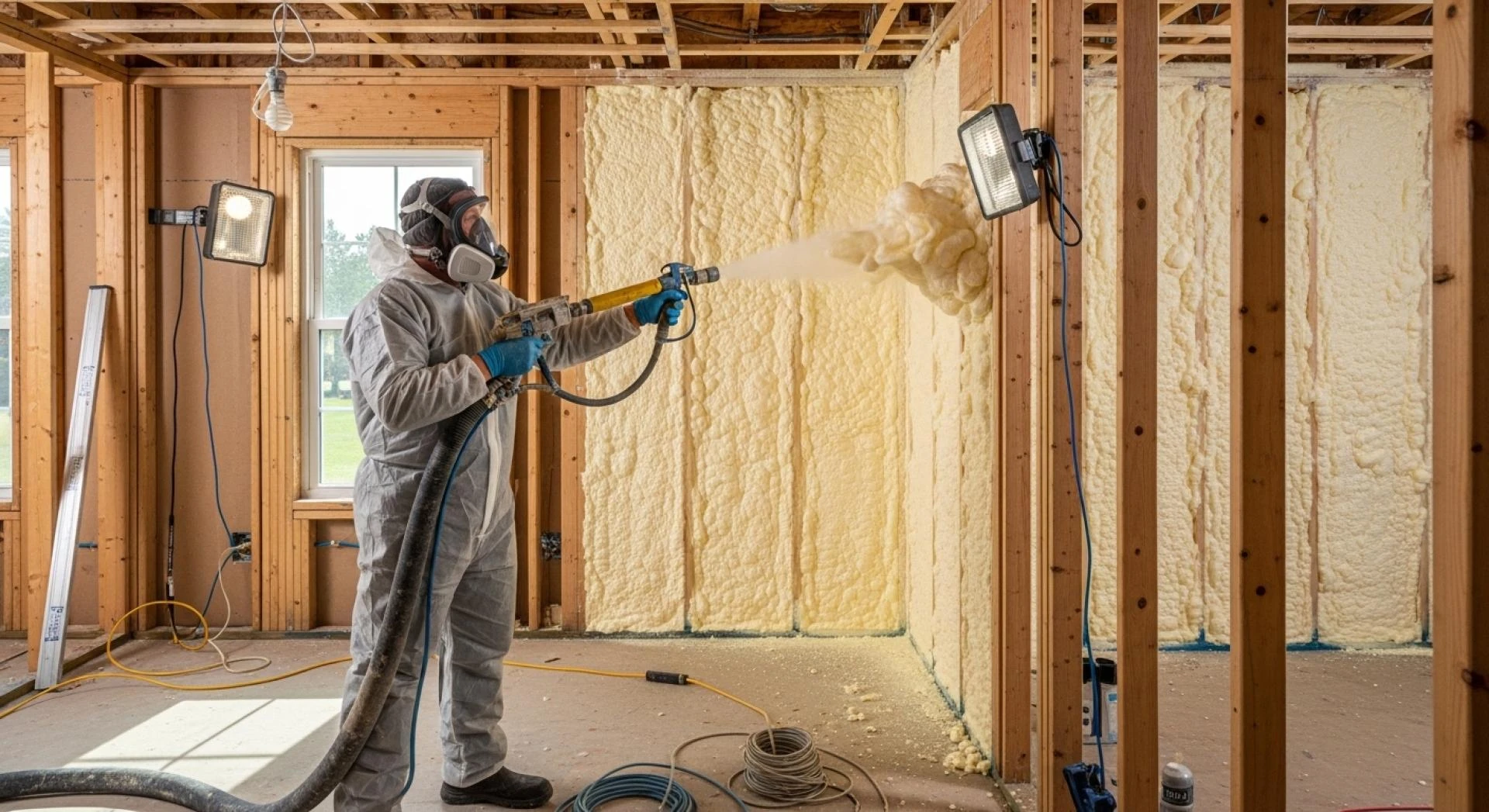
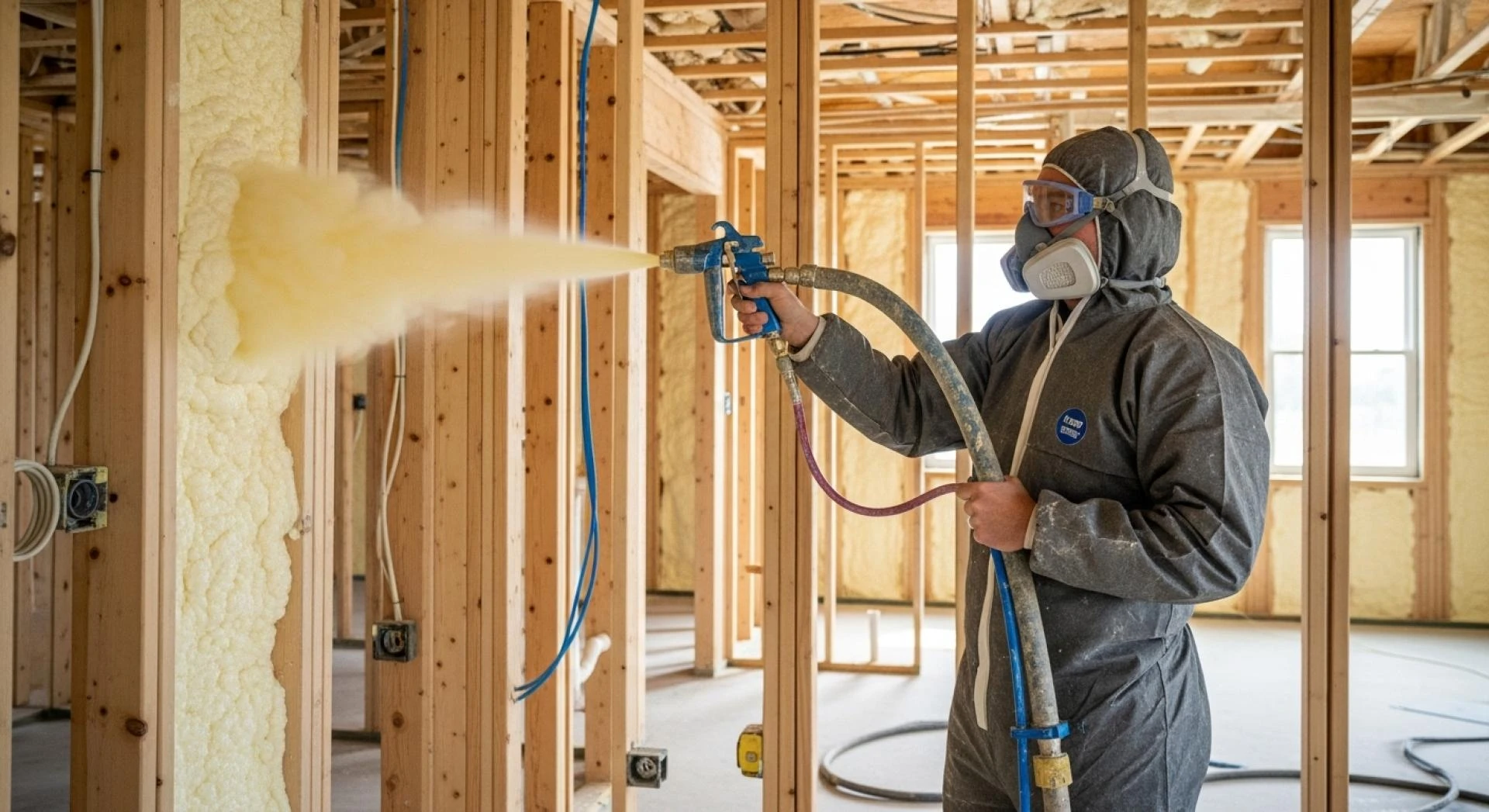
Spray foam can also help by sealing air leaks while insulating.
Air Sealing First
Before adding insulation, air leaks must be sealed. This includes gaps around vents, wiring, and attic access doors.
Without sealing, even thick insulation may fail to control temperature shifts.
Wall and Floor Insulation Between Levels
Insulating floor cavities between stories improves comfort and sound control.
- Fiberglass batts reduce heat transfer and help manage noise
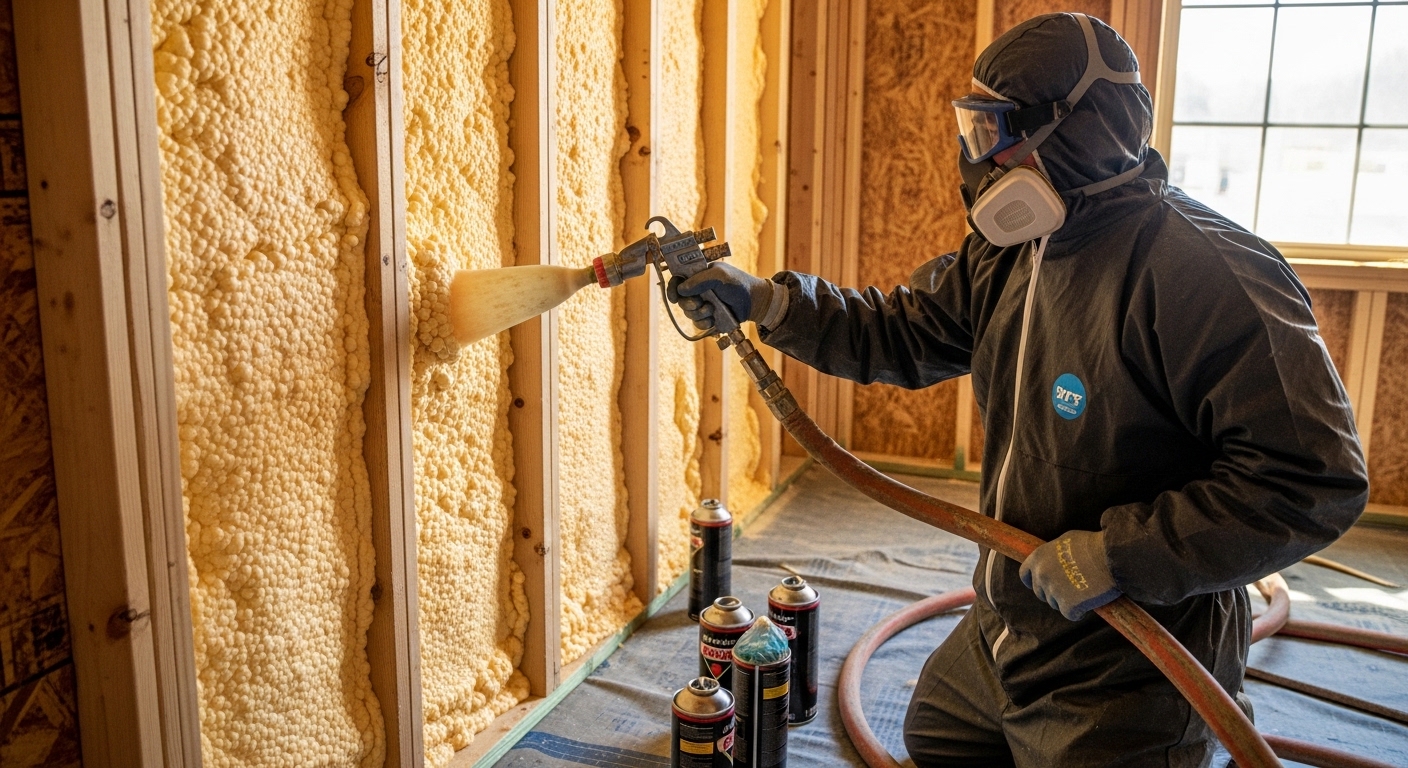
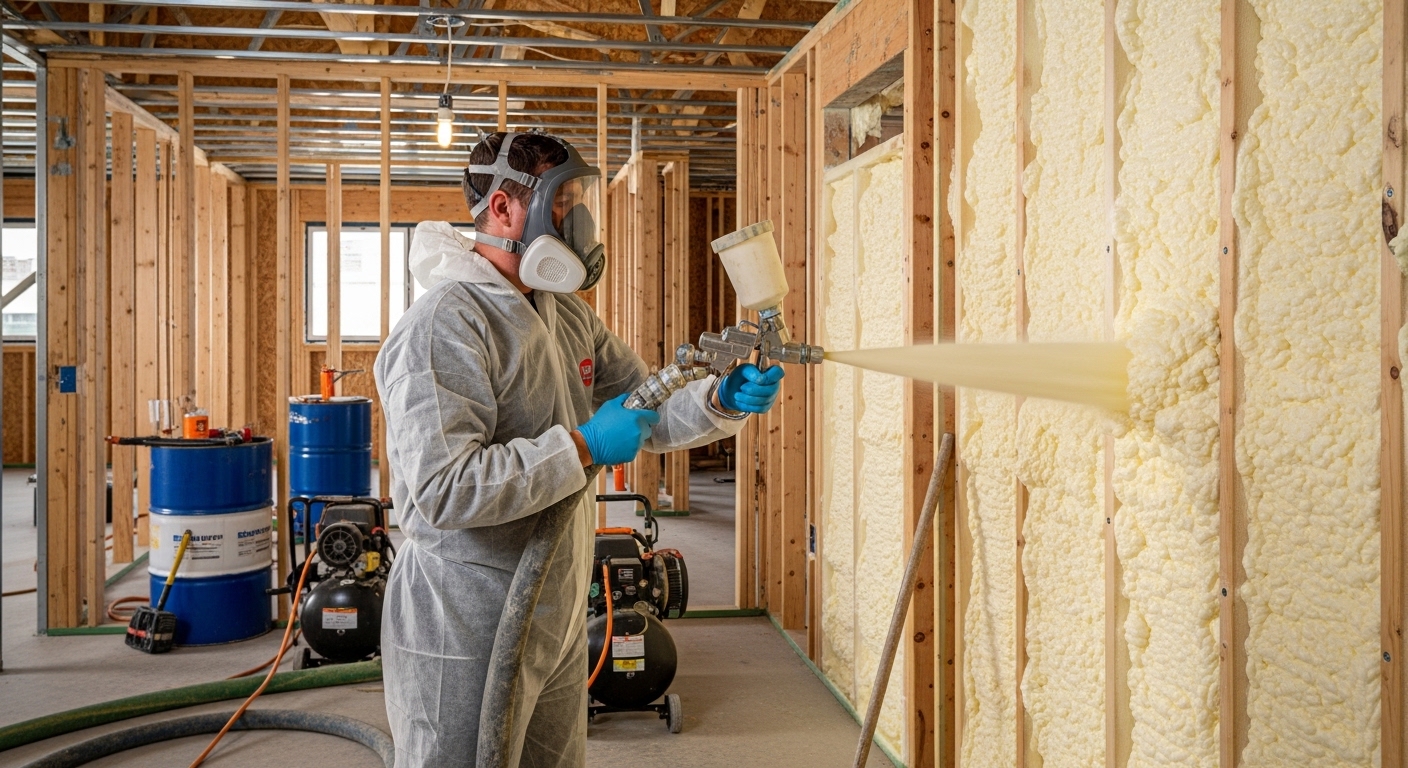
- Spray foam adds both insulation and air sealing in one step
- Dense-pack cellulose fills irregular spaces tightly
In commercial spaces, proper floor insulation can also reduce HVAC strain in office buildings with multiple tenants.
Comparing Insulation Types for Multi Floor Buildings
Different materials perform differently depending on structure and climate. The table below highlights key differences.
| Insulation Type | Air Sealing Ability | Best Use Area | Typical R Value Per Inch | Ideal For |
|---|---|---|---|---|
| Spray Foam | Excellent | Attics, walls, floor cavities | 3.5 to 6.5 | Homes with major air leaks |
| Fiberglass Batts | Moderate | Wall and floor cavities | 2.9 to 3.8 | Budget friendly upgrades |
| Cellulose | Good | Attics and dense wall fills | 3.2 to 3.8 | Retrofit projects |
Each option works best when installed by trained Insulation experts who understand building layout and airflow patterns.
Climate Specific Considerations
Comfort challenges vary by region. Multi-story buildings in humid climates face different issues than those in colder areas.
Warm and Humid Regions
In areas like Florida and southern Texas:
- Attic heat gain is intense during summer
- Moisture control is critical to prevent condensation
- Spray foam helps control both heat and humidity
Energy reports show that homes in hot climates can gain up to 60 percent of unwanted heat through the roof without proper insulation.
Cold Climate Zones
In northern regions:
- Heat loss through upper levels increases heating costs
- Ice dams can form if attic insulation is uneven
- Air sealing between floors reduces drafts and cold spots
Proper planning by an experienced Insulation contractor helps prevent these seasonal problems.
Signs Insulation Is Causing Multi Floor Discomfort
Property owners often notice symptoms before they realize insulation is the issue.
Common warning signs include:
- Second floors that stay hot even when the AC runs
- Cold first floors during winter mornings
- High energy bills despite regular HVAC maintenance
- Drafts near stairwells or ceiling fixtures
A professional evaluation by an Insulation company can identify hidden gaps and recommend targeted solutions.
Things to Consider Before Making a Decision
Upgrading insulation in a multi-story building requires planning. Not all comfort problems require full replacement.
Before moving forward, consider:
- The age and condition of existing insulation
- Whether air sealing has been addressed
- Local climate demands and recommended R-values
- HVAC capacity and duct placement
- Budget and long-term energy savings
Market data shows that well-insulated homes can see resale values increase by up to 3 percent due to improved efficiency ratings.
Check Attic Ventilation
Balanced ventilation prevents trapped heat from building up. Ridge and soffit vents should work together with insulation.
Inspect Ductwork Between Floors
Leaky ducts can worsen temperature differences. Sealing ducts often improves comfort quickly.
Plan for Long Term Performance
Choose materials that resist settling and moisture over time. This reduces the need for future corrections.
Improve Comfort Across Every Floor
Uneven temperatures between floors usually point to insulation gaps, poor air sealing, or outdated materials. Addressing these issues creates more consistent comfort and lowers energy use.
Multi-story buildings benefit most from targeted upgrades in attics and between floors. Property owners should evaluate their structure, climate, and long-term efficiency goals before choosing materials.
Get Professional Guidance for Insulation Upgrades
For those seeking reliable Insulation services, guidance from trained professionals makes a clear difference. Prestige Insulation Solutions provides evaluations and installation support for residential and commercial properties. They can be reached at (850) 429-4969 or [email protected] for more information about project assessments.
Working with experienced Insulation experts helps ensure materials are installed correctly and aligned with local climate needs. Proper planning supports long-term comfort across every floor.
Questions People Ask About Multi Floor Insulation Comfort
This section addresses common concerns from property owners considering insulation upgrades.
Why is upstairs always hotter than downstairs?
Warm air rises and collects near the top of the building. Poor attic insulation and air leaks allow heat to enter or escape, making upper floors uncomfortable.
Can insulation between floors reduce noise too?
Yes. Fiberglass and cellulose help absorb sound. Spray foam also reduces noise by sealing gaps between framing.
Does adding insulation fix HVAC imbalance?
It often improves it. Insulation reduces heat gain and loss, which allows HVAC systems to maintain steadier temperatures without overworking.
How long does insulation last?
Fiberglass and cellulose can last 20 to 30 years if dry and undisturbed. Spray foam can last longer because it adheres firmly and resists settling.
Is spray foam better for multi story homes?
Spray foam offers strong air sealing and high R-value per inch. It works well in attics and floor cavities where air leakage is a major issue.
Author: Rene Zamarripa
Rene Zamarripa is a spray foam installer and business owner with 17 years of experience in residential and commercial insulation applications.
Reviewer: Benjamin Lee
Benjamin Lee has over 13 years in spray foam insulation and reviews industry content to help businesses better serve homeowners and commercial clients.

























Sign in to leave a comment.