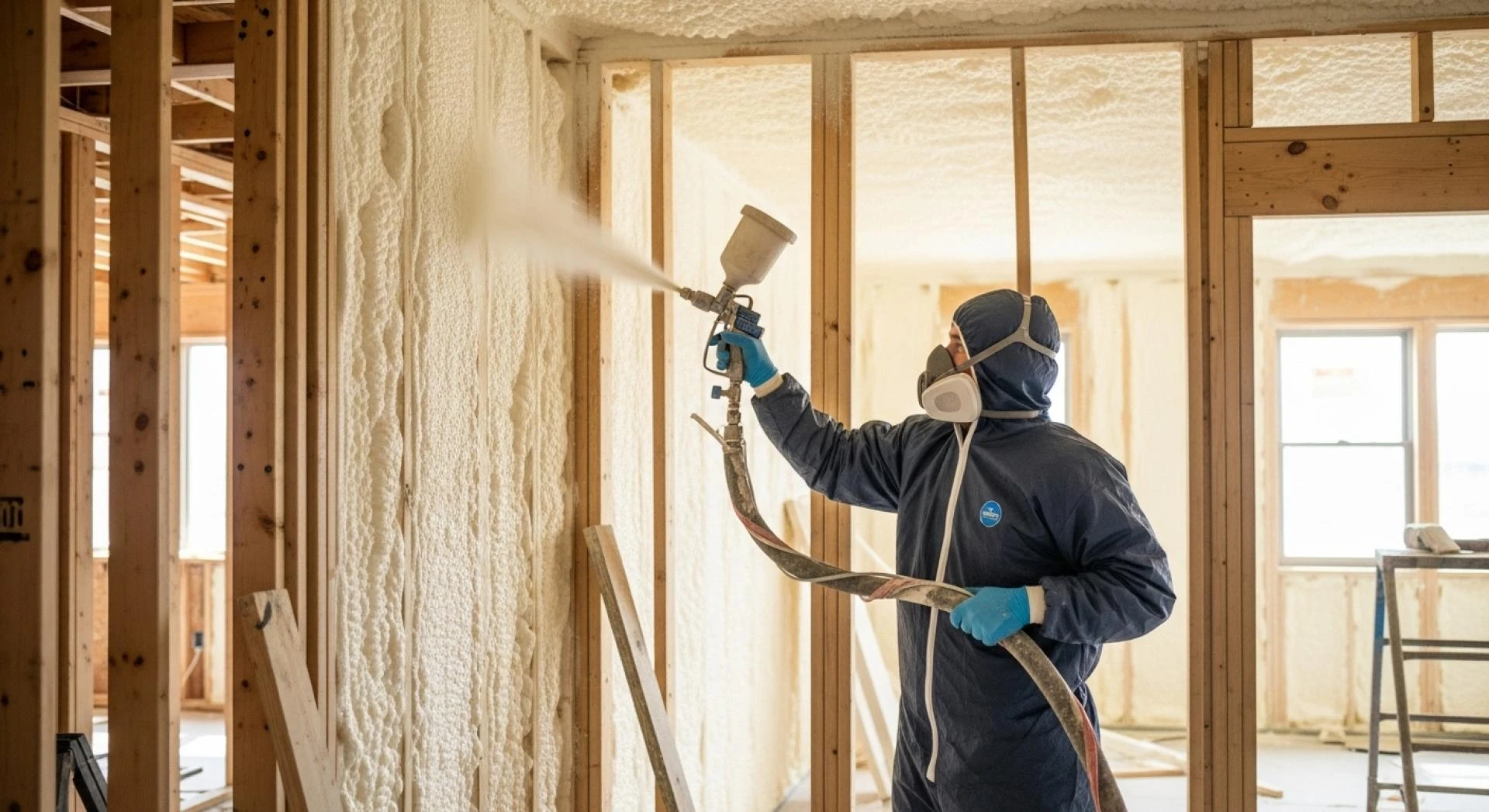

Insulation improves indoor air quality by reducing the entry of outdoor allergens, limiting air leakage, and helping maintain stable indoor conditions. When gaps and weak points are sealed, fewer pollen particles, dust, and pollutants enter living spaces, which supports allergy relief.
This matters because indoor air often contains higher allergen levels than outdoor air. Well planned insulation reduces uncontrolled airflow, which lowers exposure to triggers that cause sneezing, congestion, and irritation. The sections below explain how this process works and what property owners should consider.
The guidance reflects hands on field experience from trained Insulation experts who understand how insulation choices affect comfort, health, and building performance over time.
How Allergens Enter Indoor Spaces
Allergens do not appear indoors by chance. They follow predictable paths created by air movement and building gaps.
Understanding these paths explains why insulation quality directly affects air quality.
Air Leaks and Pressure Changes
Air moves from high pressure to low pressure areas. This movement pulls outdoor air through cracks and openings.
Common entry points include:
- Attic penetrations around vents and wiring
- Wall cavities near outlets and switches
- Crawl spaces and rim joists near foundations
When these gaps stay open, allergens travel freely into indoor spaces.
Dust and Particles Inside Walls
Dust often builds up inside wall cavities and attics. When air leaks occur, these particles circulate into occupied rooms.
Fiberglass insulation slows airflow but does not stop it. Air still moves through the material and carries allergens with it.
How Insulation Improves Indoor Air Quality
Insulation supports cleaner indoor air by limiting air exchange between indoors and outdoors.
This control reduces exposure to common allergy triggers.
Sealing Gaps and Cracks
Air sealing is one of the most direct ways insulation helps allergy relief. When air movement slows, allergen movement slows with it.
Effective insulation systems:
- Reduce drafts that pull in pollen
- Limit dust movement from attics and crawl spaces
- Support cleaner, more stable indoor air
Supporting HVAC Filtration
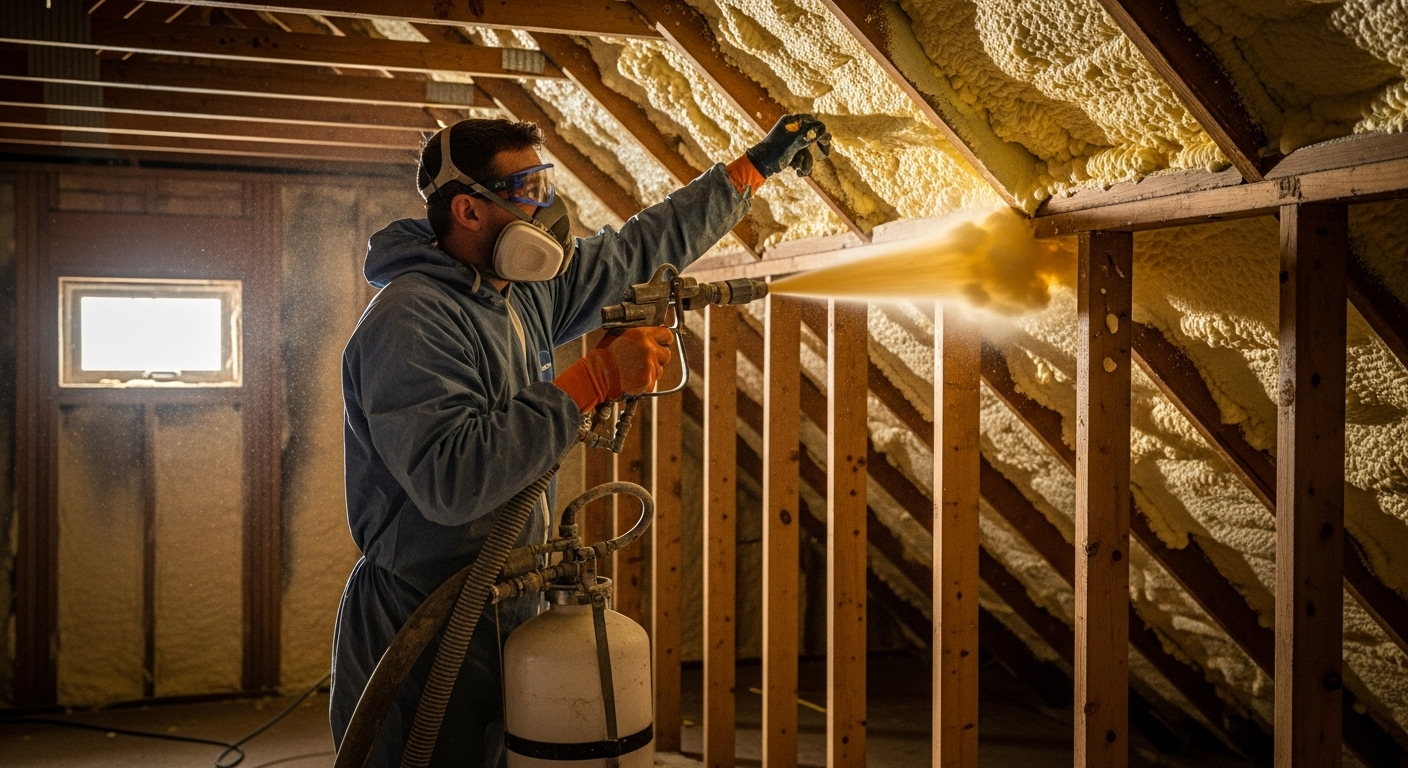
When insulation reduces air leaks, HVAC systems work more efficiently. Air moves through filters instead of bypassing them.
This improves the capture of fine particles and supports consistent filtration performance.
Market data shows that homes with tighter building envelopes often report up to 20 percent lower airborne particle levels when paired with proper filtration.
Comparing Insulation Types and Air Quality Impact
Not all insulation materials perform the same when it comes to air quality support.
The table below shows how common options compare.
| Insulation Type | Air Sealing Ability | Allergen Control | Typical Use Areas |
|---|---|---|---|
| Fiberglass | Low | Limited | Attics, walls |
| Cellulose | Moderate | Improved | Walls, attics |
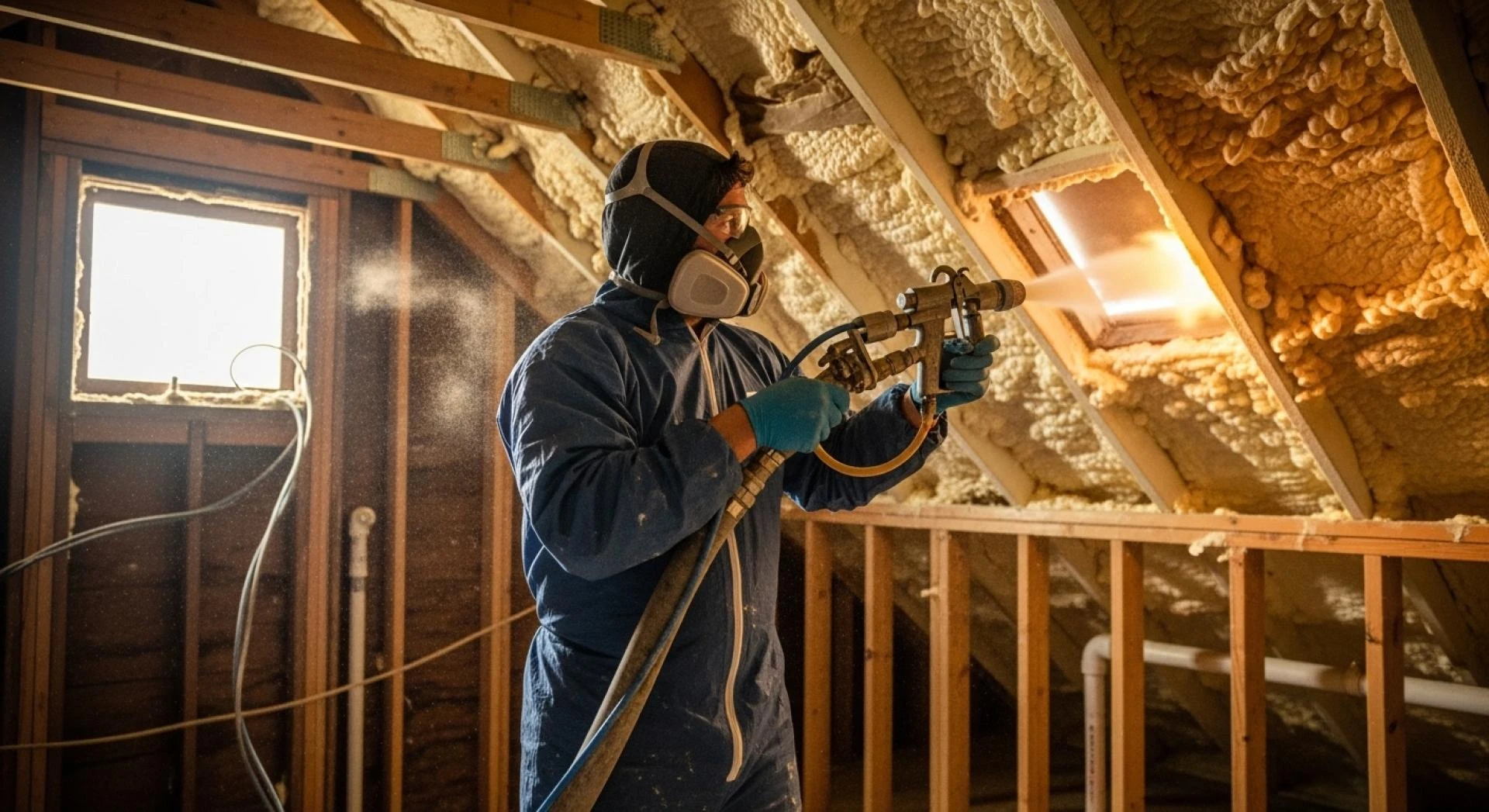
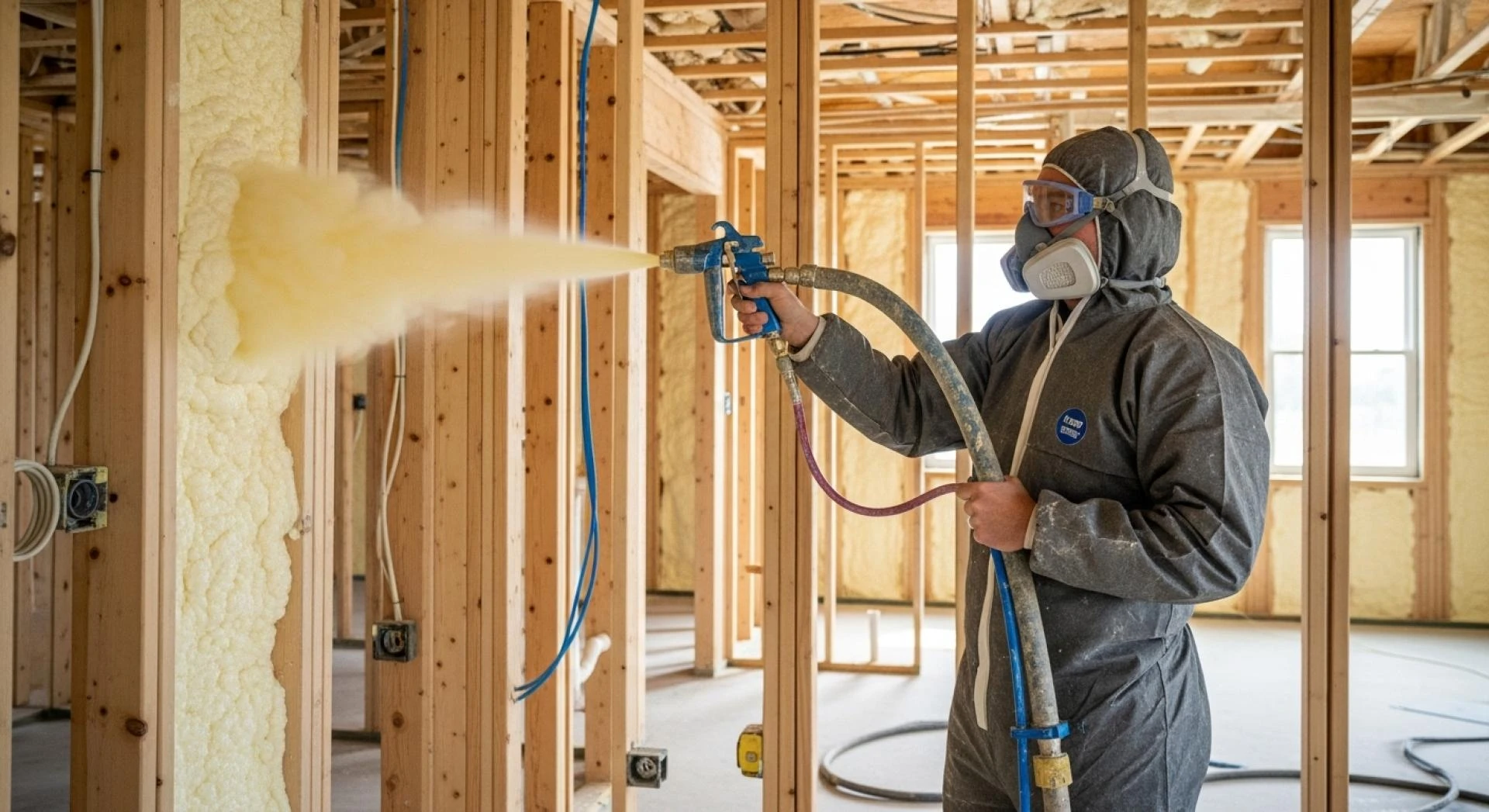
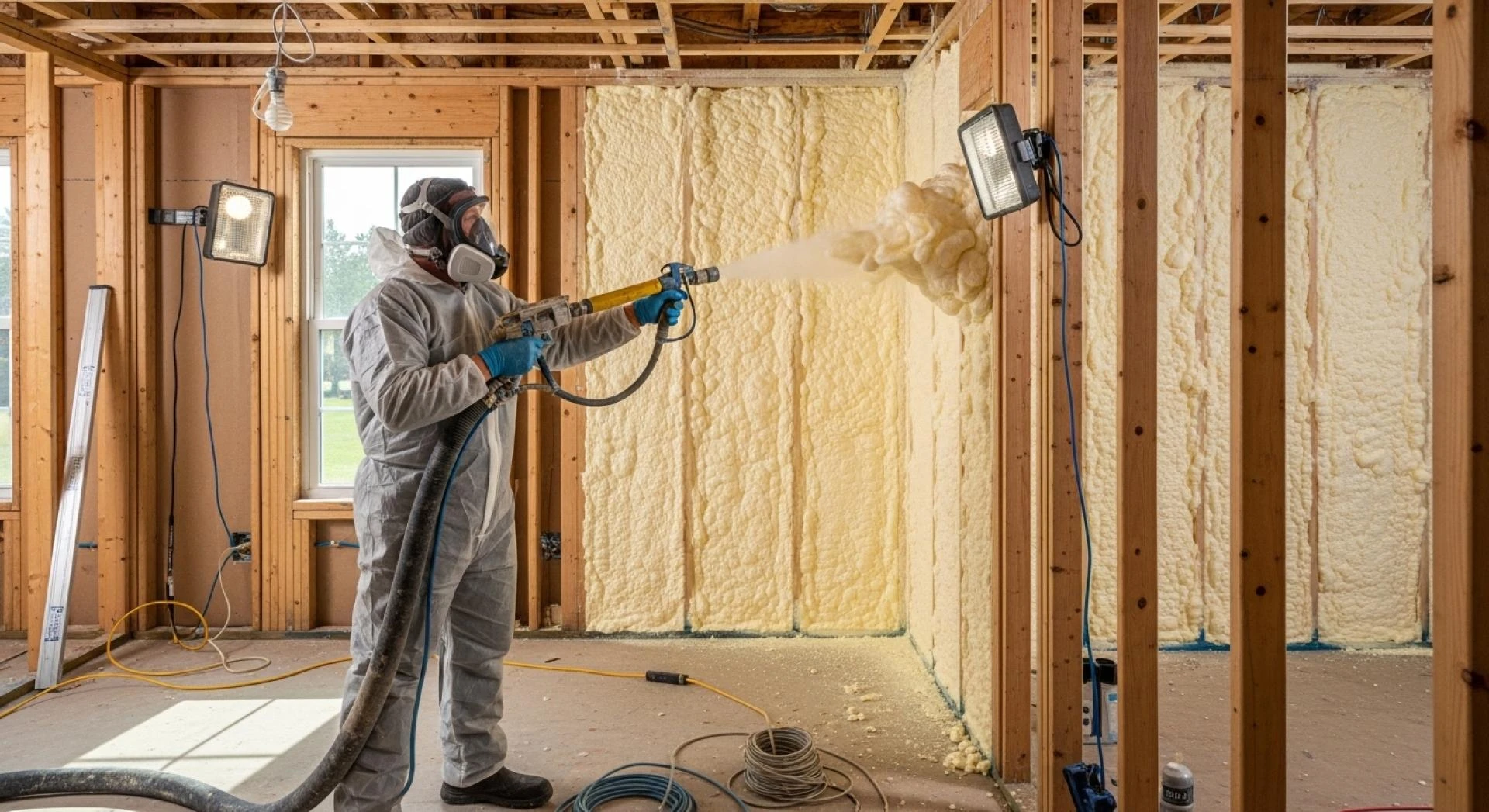
| Foam Based Systems | High | Strong | Walls, attics, crawl spaces |
Systems with higher air sealing ability provide better allergy relief by limiting particle movement.
Moisture Control and Allergy Relief
Moisture plays a direct role in indoor air quality. Damp environments allow allergens like mold spores to grow.
Insulation helps regulate moisture by controlling air movement and surface temperatures.
Reducing Condensation Risk
When warm air contacts cool surfaces, condensation forms. Insulation keeps surfaces closer to indoor temperatures.
This limits moisture buildup inside walls and ceilings, which helps reduce mold related allergens.
Climate Specific Considerations
In humid regions, moisture control becomes more important. Insulation must work with ventilation to manage indoor humidity.
In mixed or colder climates, insulation helps prevent interior moisture from reaching cold exterior surfaces during winter.
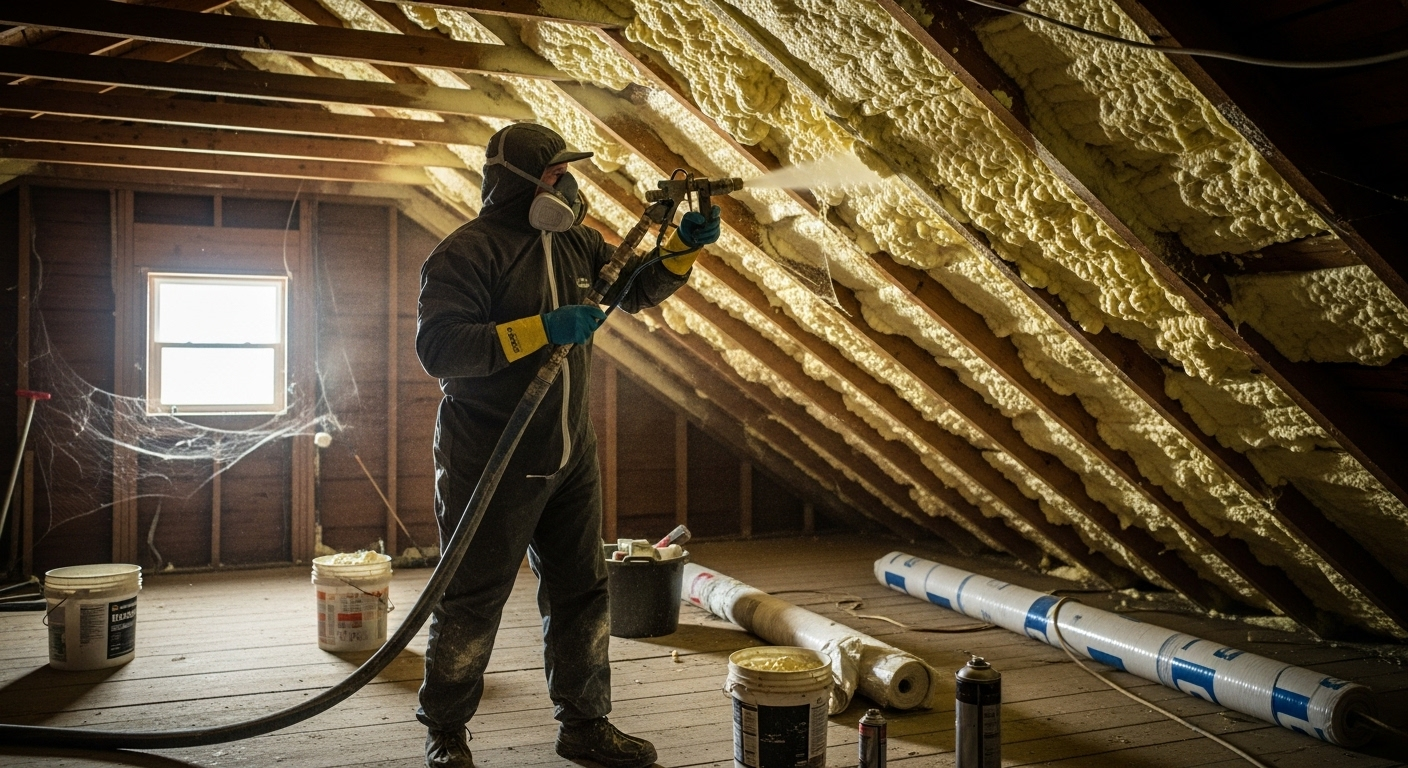
Signs Insulation May Be Affecting Air Quality
Some symptoms suggest insulation problems that impact allergies.
These signs often appear gradually.
Common Warning Indicators
- Persistent dust even after cleaning
- Strong attic or crawl space odors indoors
- Allergy symptoms that worsen at home
- Uneven temperatures across rooms
These issues point to air leakage or insulation gaps that allow allergen movement.
Things to Consider Before Making a Decision
Improving indoor air quality requires careful planning. Insulation should match the building and local conditions.
Building Age and Layout
Older structures often have more air leaks. These buildings benefit most from upgraded insulation and sealing.
Complex layouts may need targeted solutions rather than blanket coverage.
Occupant Sensitivities
Homes with allergy sensitive occupants may need higher levels of air sealing and filtration support.
This includes households with pets or frequent outdoor activity.
Installation Quality
Insulation performance depends on proper installation. Gaps, compression, or missed areas reduce air quality benefits.
Working with an experienced Insulation contractor helps avoid these issues.
Combine Insulation with Ventilation
Controlled ventilation helps maintain fresh air without letting allergens rush inside.
These areas often contribute the most airborne particles. Sealing them delivers faster results.
Maintain Filters After Installation
Even with good insulation, filters need regular replacement to support clean air.
Long Term Air Quality Benefits
Improved insulation supports steady indoor conditions year round.
Studies show that tighter building envelopes often reduce indoor allergen circulation by 15 to 25 percent, depending on climate and building type.
Lower allergen exposure supports better sleep, fewer symptoms, and improved daily comfort.
Final Thoughts on Healthier Indoor Air
Insulation improves indoor air quality by reducing allergen entry, supporting filtration, and controlling moisture. These benefits support allergy relief and daily comfort.
Property owners should consider building conditions, climate, and occupant needs before selecting an insulation approach. A balanced plan leads to better long term results.
Get Help with Air Quality Focused Insulation
Readers exploring air quality improvements can consult Prestige Insulation Solutions for guidance tailored to their structure and climate. Their team helps evaluate insulation options that support comfort and cleaner indoor air.
They can be reached at [email protected] or by phone at (850) 429-4969 for additional details or service information.
Questions People Ask About Insulation and Allergy Relief
Can insulation reduce pollen indoors?
Yes. Insulation limits the airflow paths that allow pollen to enter indoor spaces.
Does insulation remove allergens already inside?
Insulation reduces movement but does not remove existing particles. Cleaning and filtration address that issue.
Is insulation helpful for pet allergies?
It helps by limiting air circulation that spreads dander between rooms.
How soon can air quality improve after installation?
Many notice changes within weeks as air leakage decreases and filtration improves.
Does insulation replace air purifiers?
No. Insulation reduces entry and spread, while purifiers remove particles already present.
Author: Rene Zamarripa is a spray foam installer and owner with 17 years of hands on experience across residential and commercial insulation projects.
Reviewer: Benjamin Lee has over 13 years of experience in spray foam insulation and reviews industry content to help businesses better serve local property owners.



























Sign in to leave a comment.