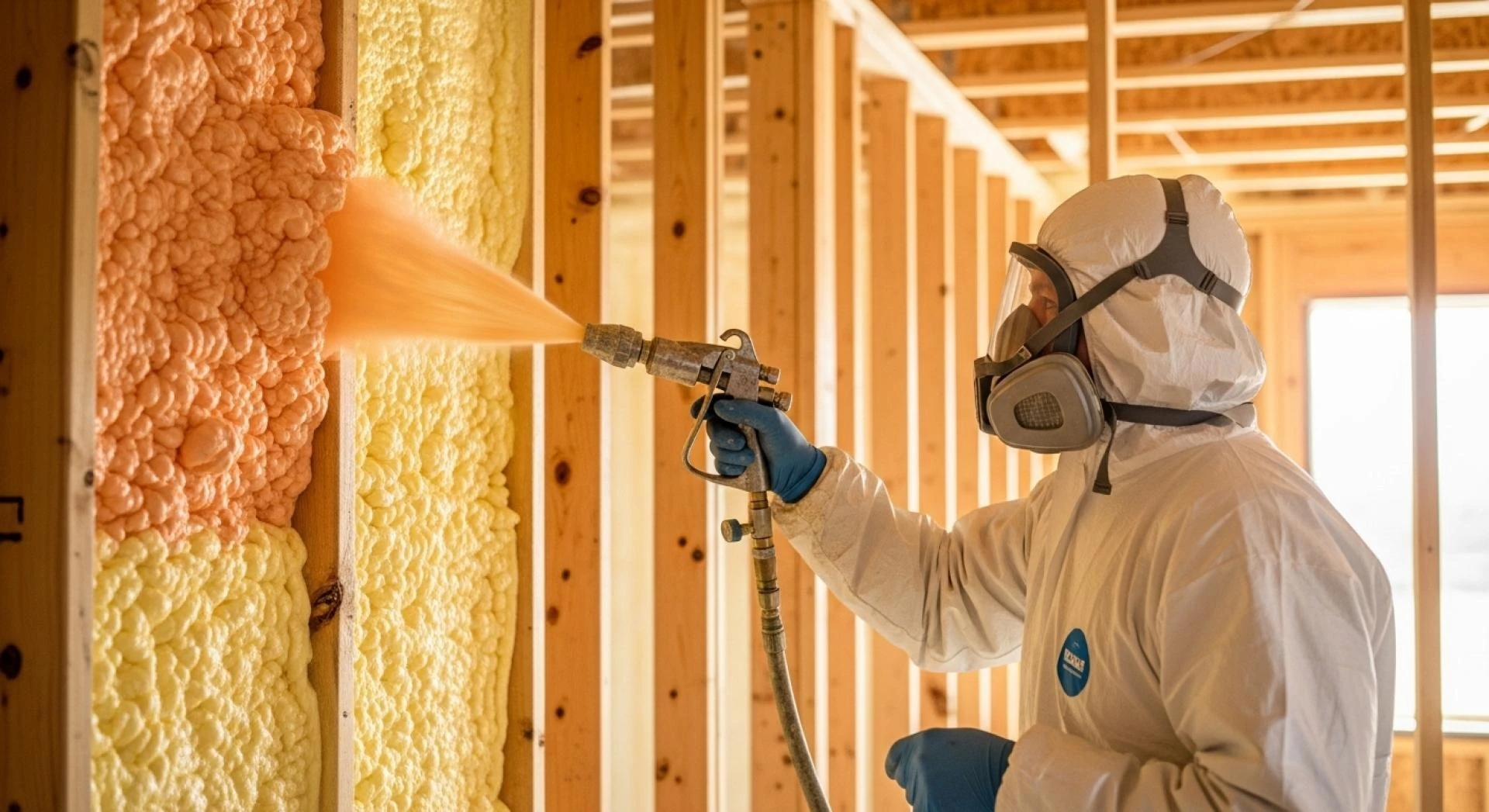

Spray foam insulation contractor techniques increase comfort by sealing air leaks, controlling temperature swings, and reducing moisture movement inside buildings. These methods focus on full coverage, correct material depth, and precise application, which directly improves indoor comfort for both residential and commercial spaces.
Comfort problems often come from uneven temperatures, drafts, and humidity buildup. This article explains how professional spray foam insulation techniques address those issues, what factors influence results, and how property owners can evaluate the right approach. The information reflects real field experience and long-term insulation practices used across varied climates.
How Professional Application Methods Improve Indoor Comfort
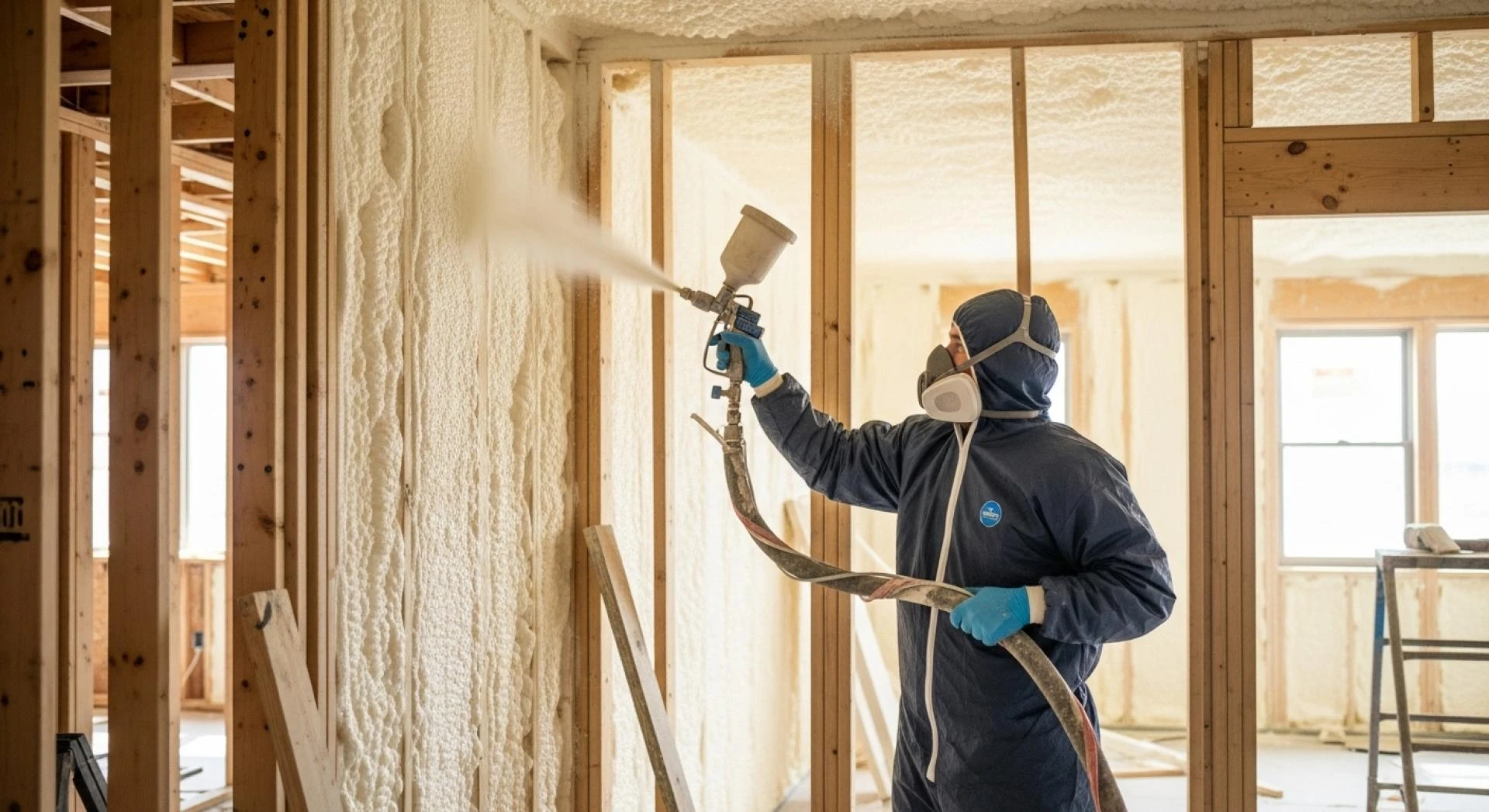
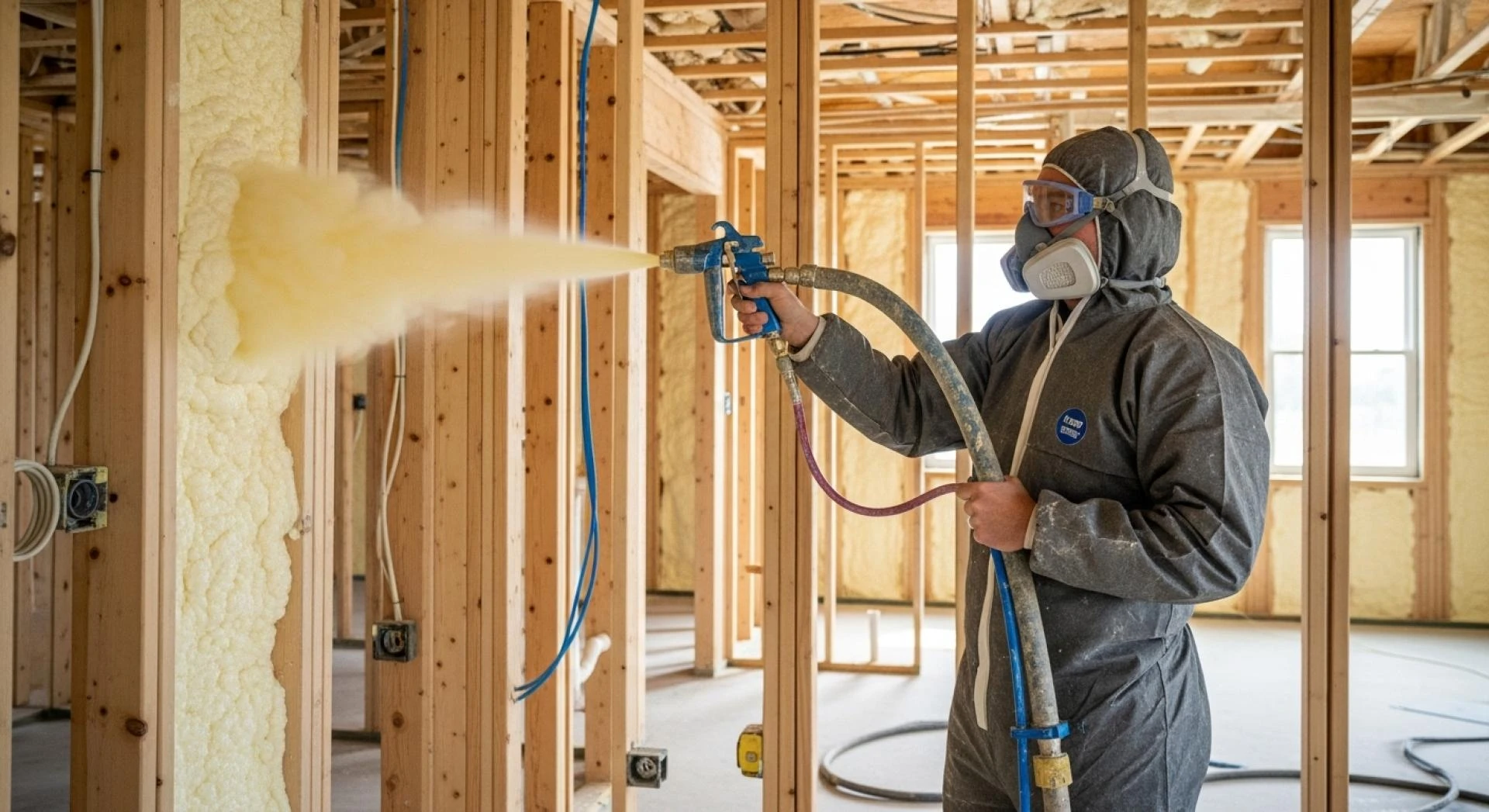
Proper spray foam application focuses on sealing the building envelope instead of only filling cavities. Contractors use targeted techniques that address problem areas where comfort loss usually begins.
Comfort improves when insulation performs consistently across walls, ceilings, and transition points. Gaps, thin spots, or missed areas reduce effectiveness, even with high-quality materials.
Professional techniques aim to create a continuous barrier that limits air movement and temperature fluctuation. This approach supports steady indoor conditions year-round.
Precision Coverage in Key Areas
Installers focus on locations where air leakage causes the most discomfort. These areas often go untreated with basic insulation methods.
High-Impact Zones for Comfort Control
- Attics and rooflines where heat gain or loss is highest
- Rim joists that allow outdoor air into living spaces
- Wall cavities with irregular framing
- Penetrations around wiring and plumbing
Bonus Tip
Addressing rim joists first often improves comfort on upper floors faster than adding insulation elsewhere.
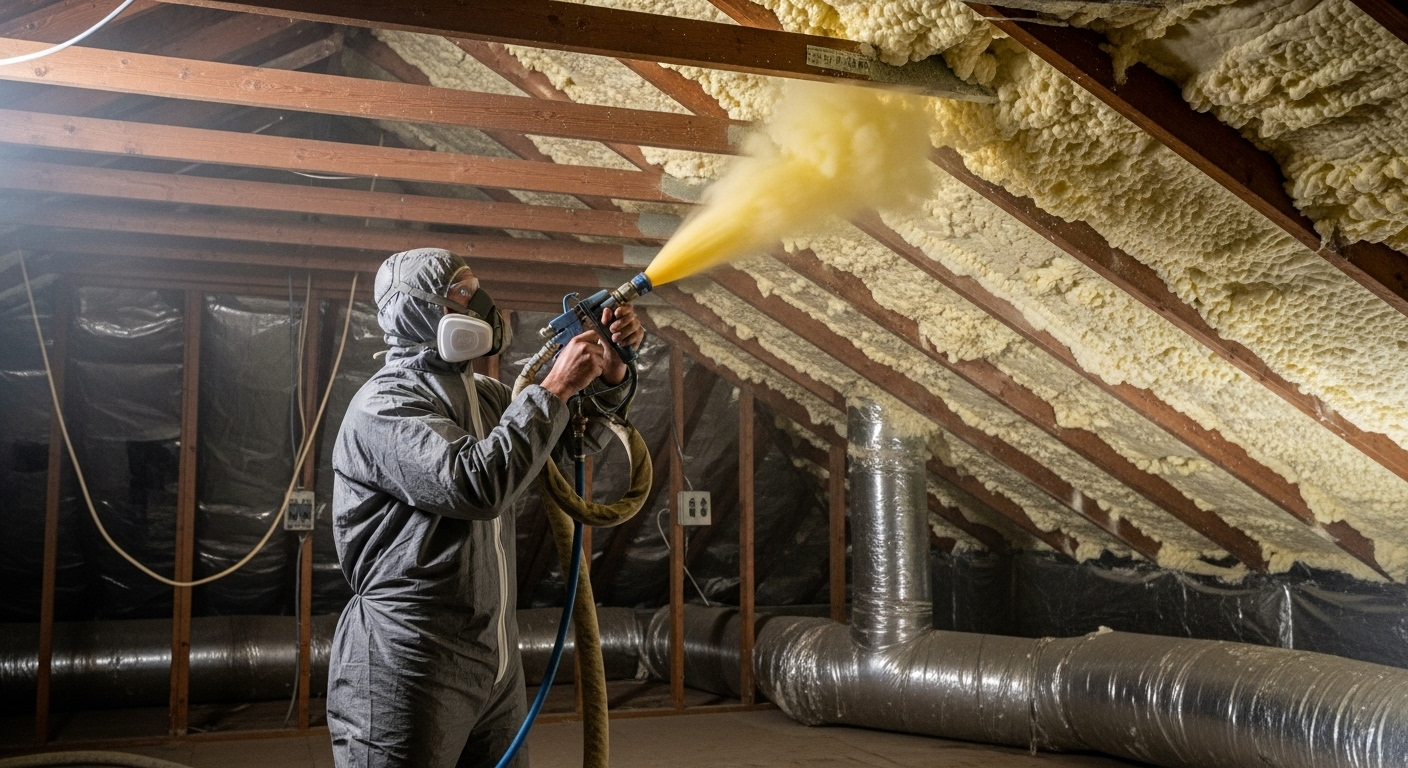
Material Control Techniques That Affect Comfort Levels
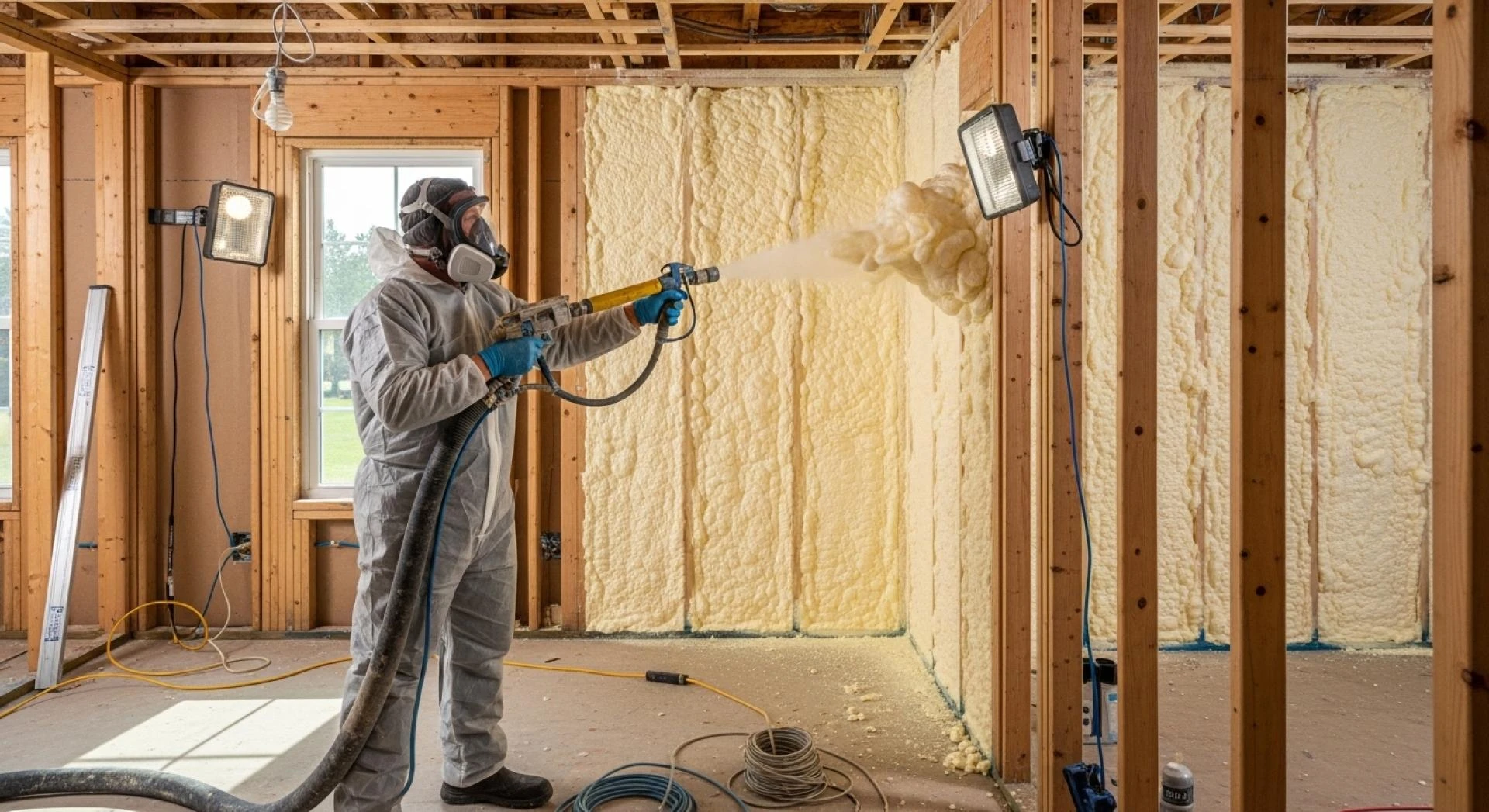
Comfort depends not only on the material used but also on how it is applied. Spray foam performance changes with temperature control, mix accuracy, and layer thickness during installation.
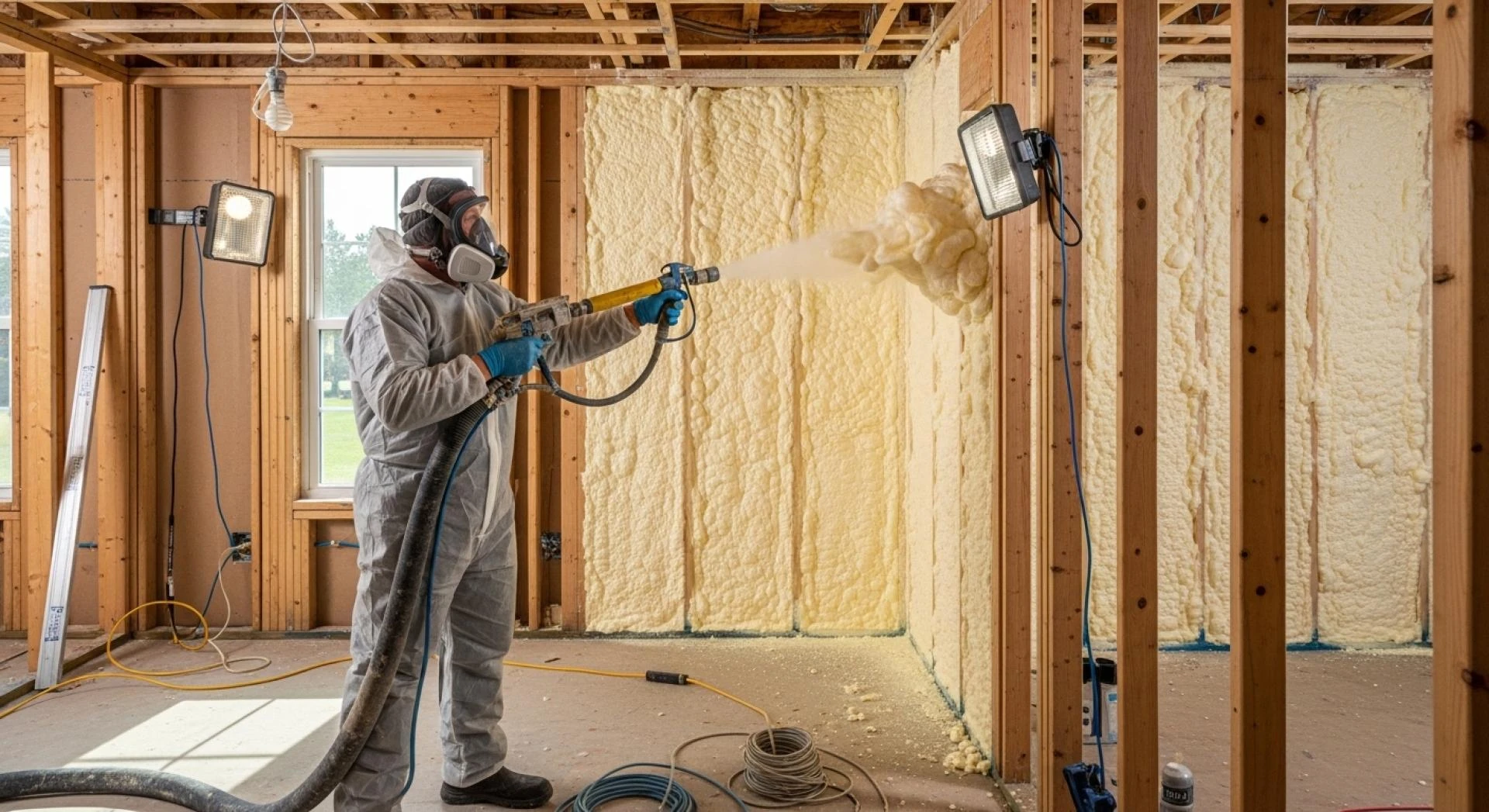
Experienced installers monitor conditions closely to ensure even expansion and adhesion. This consistency helps maintain stable indoor temperatures and reduces hot or cold zones.
Material control also affects long-term comfort. Poor application can lead to shrinkage or uneven density, which impacts performance over time.
Installation Factors That Influence Results
Correct techniques support predictable comfort improvements across seasons. Installers adjust their process based on building type and climate conditions.
Table Showing Technique Impact on Comfort
| Application Factor | Correct Technique | Comfort Outcome |
|---|---|---|
| Foam depth | Even and consistent | Balanced room temperatures |
| Surface preparation | Clean and dry | Better adhesion and seal |
| Expansion control | Monitored expansion | Fewer gaps and drafts |
| Layering approach | Multiple controlled passes | Stable insulation performance |
| Curing conditions | Proper ventilation | Reduced odor and better indoor air |
Bonus Tip
Even thickness across walls and ceilings helps prevent temperature swings between rooms.
Climate-Specific Techniques That Improve Comfort
Climate plays a major role in how spray foam improves comfort. Contractors adjust techniques based on humidity, temperature ranges, and seasonal conditions.
In warm and humid regions, moisture control becomes a priority. Spray foam helps limit humid air infiltration, which reduces discomfort caused by sticky indoor conditions.
In cooler climates, air sealing prevents heat loss and cold drafts. Technique adjustments ensure foam performs well throughout seasonal changes.
Regional Comfort Considerations
Different regions require tailored approaches to maintain consistent indoor comfort. Spray foam techniques account for these variations during installation.
Common Climate-Based Adjustments
- Increased focus on air sealing in humid regions
- Additional attention to rooflines in hot climates
- Controlled curing times in cooler temperatures
Bonus Tip
In humid areas, combining spray foam with proper ventilation planning helps maintain steady indoor comfort.
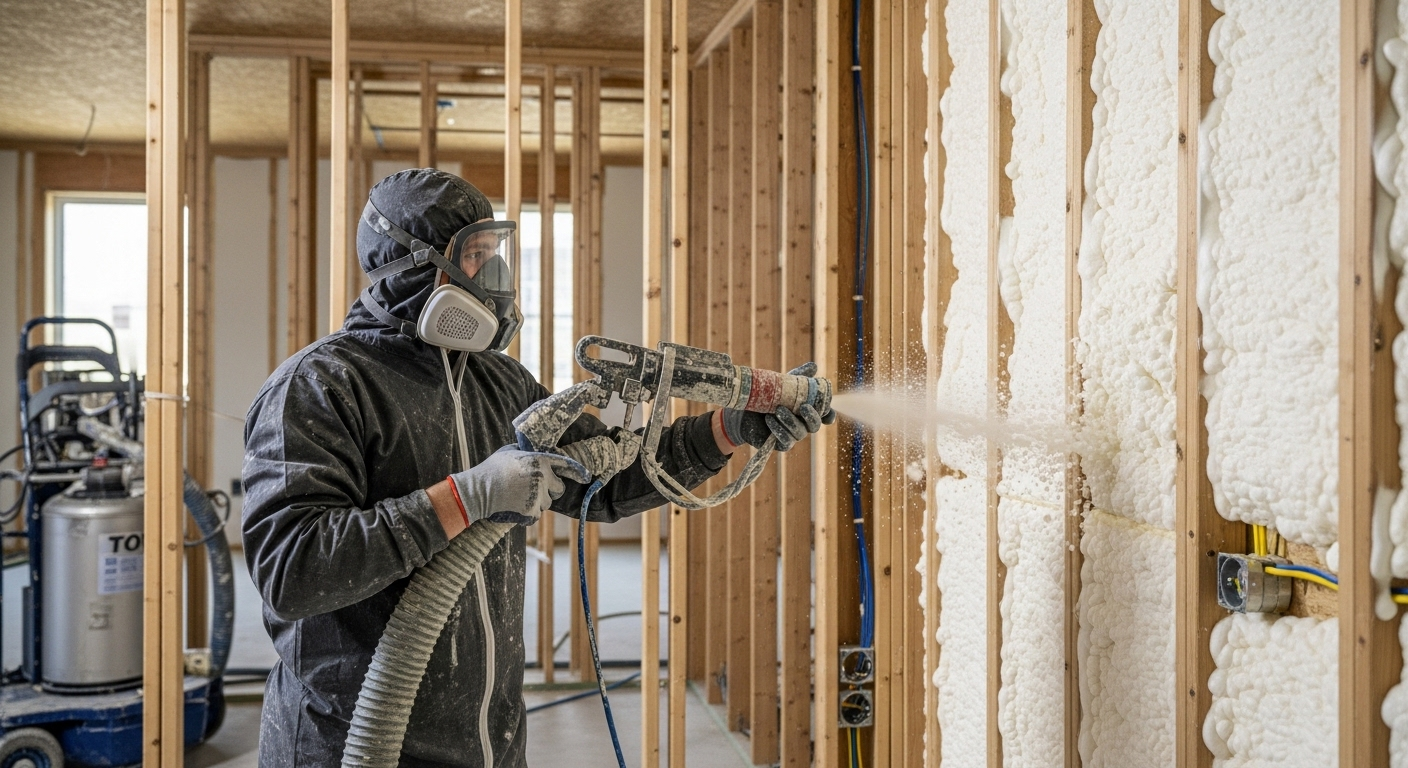
How Attention to Detail Reduces Drafts and Temperature Swings
Comfort issues often stem from small details that go unnoticed. Spray foam contractor techniques focus on closing these small gaps that affect indoor conditions.
Drafts usually enter through framing joints, corners, and transitions between materials. Sealing these areas improves comfort more than adding extra insulation thickness alone.
Temperature swings between rooms also reduce comfort. Consistent coverage helps balance indoor air conditions across the entire building.
Small Areas That Have Big Comfort Impact
Professional installers inspect areas that commonly cause uneven comfort. Addressing these spots creates noticeable improvements.
Typical Trouble Spots
- Corners and wall intersections
- Floor-to-wall transitions
- Attic access points
- Crawl space connections
Things to Consider Before Making a Decision
Before choosing spray foam insulation, property owners should evaluate comfort goals and existing conditions. Comfort issues often point to deeper air leakage or moisture problems.
Understanding where discomfort occurs helps guide insulation decisions. A focused approach delivers better results than adding insulation without addressing air sealing.
Evaluating building age, layout, and climate exposure helps ensure the chosen technique supports long-term comfort.
Key Decision Factors
- Location of drafts and uneven temperatures
- Existing insulation condition
- Climate and seasonal temperature changes
- Moisture or humidity concerns
- Long-term comfort expectations
Final Thoughts on Comfort and Spray Foam Techniques
Spray foam insulation contractor techniques increase comfort by sealing air leaks, controlling temperature changes, and reducing moisture movement. Comfort improves when application focuses on precision, coverage, and climate-specific needs.
Property owners should assess comfort problems carefully and choose solutions that address air sealing first. A thoughtful approach supports stable indoor conditions and long-term satisfaction.
About Professional Spray Foam Solutions
For those evaluating insulation options to improve comfort, speaking with an experienced service provider can help clarify the best approach. They can review building conditions and recommend techniques suited to specific comfort goals.
Prestige Insulation Solutions is available as a resource for property owners seeking guidance on spray foam insulation. They can be reached at [email protected] or by phone at (850) 429-4969 for additional information.
Questions People Ask About
How do spray foam techniques reduce drafts?
They seal gaps and cracks that allow outdoor air to enter. This limits airflow through walls and ceilings, which reduces drafts inside living and working spaces.
Can spray foam improve comfort in older buildings?
Yes, targeted application techniques help seal irregular framing and hidden gaps common in older structures. This improves indoor temperature balance.
Does spray foam help with humidity-related discomfort?
Spray foam limits humid air infiltration, which helps reduce indoor moisture levels. This supports a more comfortable indoor environment.
Are comfort results immediate after installation?
Many buildings feel more stable within days. Reduced drafts and steadier temperatures become noticeable once the foam cures and the building is sealed.
Does technique matter more than material choice?
Technique plays a major role. Proper application ensures the material performs as intended and supports consistent comfort.
Author: Rene Zamarripa, spray foam installer and owner, began in the insulation industry in 2008 with Key Insulation in San Antonio. After 17 years of hands-on experience, he now owns a successful insulation company and focuses on practical insulation solutions for residential and commercial properties.
Reviewer: With over 13 years in spray foam insulation, Benjamin Lee reviewed this content and offered feedback aimed at helping growing businesses connect with local homeowners and commercial clients more effectively.



























Sign in to leave a comment.