India’s education system is vast and diverse, offering multiple academic boards to cater to the needs of different students. Among these, the Central Board of Secondary Education (CBSE) stands out as one of the most popular and trusted boards across the country. However, parents often find themselves comparing CBSE with other boards like ICSE, state boards, and international boards to understand which one offers the best education for their child.
In this blog, we’ll explore how the CBSE curriculum differs from other boards in India and why many parents prefer enrolling their children in a CBSE Board School in Faridabad for a balanced and future-ready education.
1. Overview of the CBSE Curriculum
The Central Board of Secondary Education (CBSE) is a national-level education board managed by the Government of India. It follows a standardized curriculum designed by the National Council of Educational Research and Training (NCERT). CBSE conducts two major examinations — the All India Secondary School Examination (AISSE) for Class 10 and the All India Senior School Certificate Examination (AISSCE) for Class 12.
The CBSE curriculum is known for its structured approach, scientific learning methods, and focus on conceptual clarity. It aims to develop analytical skills, logical reasoning, and a strong academic foundation that prepares students for higher education and competitive exams.
2. CBSE vs. ICSE: Focus and Approach
While both CBSE and ICSE (Indian Certificate of Secondary Education) are national boards, they differ significantly in their approach to education.
- Curriculum Design:
- CBSE emphasizes a practical and application-based learning style. The syllabus is concise and focused on key subjects like Science, Mathematics, and Social Studies. In contrast, ICSE provides an extensive syllabus with equal emphasis on languages, arts, and science, making it more detailed but sometimes overwhelming.
- Assessment Pattern:
- CBSE evaluates students based on both formative and summative assessments, promoting continuous learning throughout the academic year. ICSE, however, places a heavier focus on final exams, testing both theoretical and practical knowledge in depth.
- Ease of Learning:
- The CBSE curriculum is comparatively easier and more streamlined, making it a preferred choice for students aiming for national-level entrance exams such as JEE, NEET, and UPSC. The ICSE curriculum, though rich in language and literature, can be more demanding in terms of workload.
3. CBSE vs. State Boards: Standardization and Mobility
India has multiple state boards, each with its own curriculum, language medium, and grading system. While these boards cater well to regional needs, they lack standardization at the national level.
- Uniformity:
- CBSE offers a uniform syllabus across India, ensuring consistency in education standards irrespective of the student’s location. This makes it easier for families that relocate frequently, such as government employees, to transfer their children between schools without major academic disruption.
- Medium of Instruction:
- Most CBSE schools use English or Hindi as the medium of instruction, promoting bilingual proficiency. State boards, on the other hand, often use regional languages, which can limit students’ exposure to English-based learning materials and exams.
- Examination Pattern:
- CBSE follows a scientific grading system with an emphasis on conceptual understanding rather than rote learning. In contrast, many state boards still rely heavily on memorization-based evaluation.
4. CBSE vs. IB and Cambridge Boards: Global Perspective
The International Baccalaureate (IB) and Cambridge Assessment International Education (CAIE) boards are global education systems that focus on inquiry-based and experiential learning. Though these boards are growing in popularity in India, they cater primarily to urban and international schools.
- Global vs. National Focus:
- CBSE is designed keeping the Indian context in mind, with subjects aligned to the country’s higher education framework. IB and Cambridge, however, prepare students for global universities and careers.
- Curriculum Complexity:
- The CBSE syllabus is more structured and examination-oriented, while IB and Cambridge emphasize project work, research, and analytical writing. This makes CBSE a more suitable choice for students planning to appear for Indian competitive exams.
- Affordability and Accessibility:
- CBSE schools are more affordable and widespread compared to IB and Cambridge schools, which often charge significantly higher fees due to their international standards.
5. Teaching Methodology and Learning Environment
CBSE schools focus on interactive and student-centric teaching methods. Teachers are trained to encourage critical thinking, group discussions, and project-based learning. The curriculum integrates modern technology, digital tools, and co-curricular activities to make education holistic and engaging.
Unlike some other boards, CBSE places a strong emphasis on skill-based education. The inclusion of vocational subjects such as Artificial Intelligence, Data Science, and Entrepreneurship reflects its commitment to preparing students for future career trends.
Moreover, CBSE’s Continuous and Comprehensive Evaluation (CCE) system aims to assess both scholastic and co-scholastic areas like creativity, teamwork, and communication skills — ensuring overall personality development.
6. Relevance to Competitive Exams
One of the biggest advantages of the CBSE curriculum is its alignment with India’s top competitive exams. The syllabus closely matches the content of exams like JEE (for engineering), NEET (for medical), and NDA (for defense). This gives CBSE students a natural advantage when preparing for these exams, as the foundational concepts are already covered in their school studies.
In contrast, students from ICSE or state boards often have to put in additional effort to adapt to the CBSE-based exam patterns of these national-level tests.
7. Flexibility and Subject Choices
Over the years, CBSE has made its curriculum more flexible, allowing students to choose from a wide range of subjects and skill courses. Whether it’s Humanities, Commerce, or Science, students have the freedom to explore their interests while maintaining a balance between academics and co-curricular activities.
In comparison, many state boards still follow a rigid subject structure, offering limited interdisciplinary choices. CBSE’s approach helps students develop diverse skills and prepares them for a variety of academic and professional paths.
8. National and International Recognition
CBSE certificates are recognized not only across India but also by many universities abroad. Its reputation as a standardized and well-structured board makes it easier for students to apply for higher studies globally. This recognition adds immense value to students’ academic portfolios.
9. Focus on Holistic Development
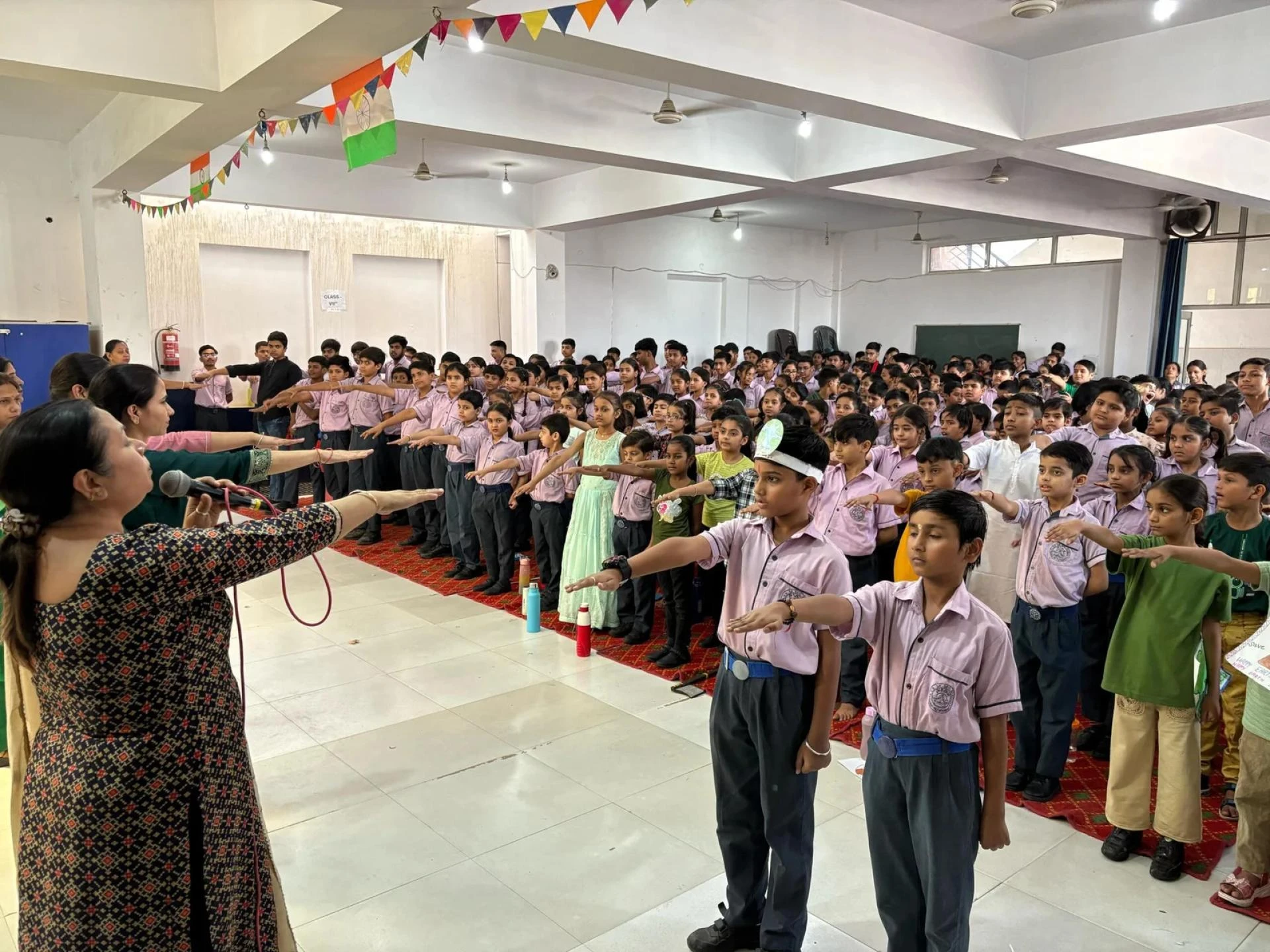
The CBSE curriculum isn’t just about academics. It emphasizes the overall development of students through sports, cultural activities, and life-skill programs. Schools under this board are encouraged to organize debates, quizzes, art exhibitions, and community outreach programs — all of which nurture creativity and social responsibility among students.
This holistic approach ensures that learners not only excel academically but also grow into confident, well-rounded individuals.
10. Why Choose a CBSE Board School in Faridabad?
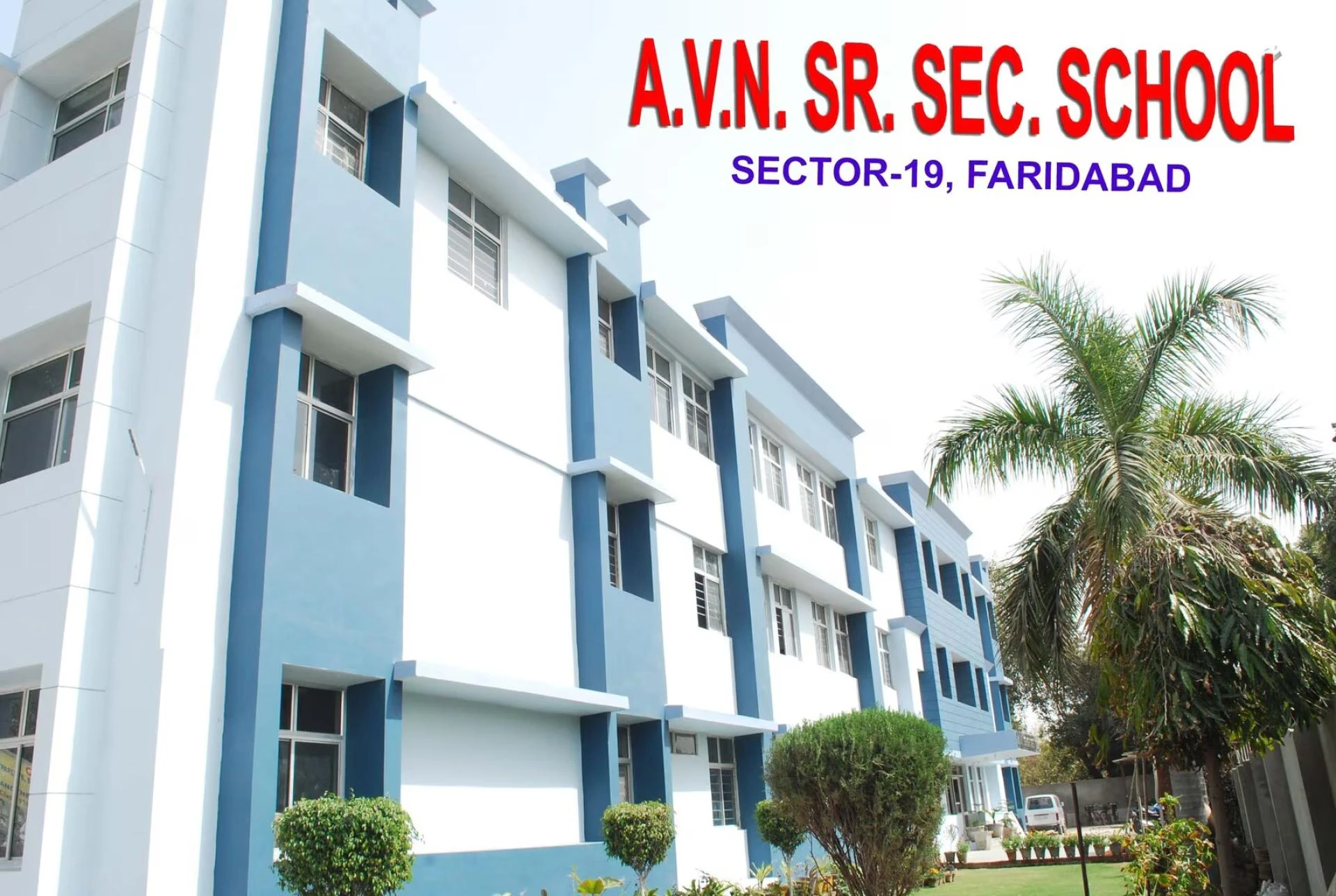
Faridabad, being one of the fastest-growing educational hubs in Delhi-NCR, offers several excellent CBSE-affiliated schools that follow modern teaching methods and provide state-of-the-art facilities. Choosing a CBSE Board School in Faridabad ensures that your child benefits from quality education, national-level recognition, and a curriculum that prepares them for both Indian and global opportunities.
Such schools focus on nurturing students academically, emotionally, and socially, helping them build a strong foundation for the future.
Conclusion
The CBSE curriculum’s strength lies in its balance — it combines academic rigor with practical learning, national relevance with global awareness, and discipline with creativity. Compared to other boards in India, CBSE offers a standardized, flexible, and future-oriented education that equips students with the skills needed to succeed in the modern world.
For parents seeking a reliable and progressive educational environment, choosing a CBSE-affiliated institution is a smart decision. It ensures that children receive a well-rounded education that not only prepares them for exams but also empowers them for life.





























Sign in to leave a comment.