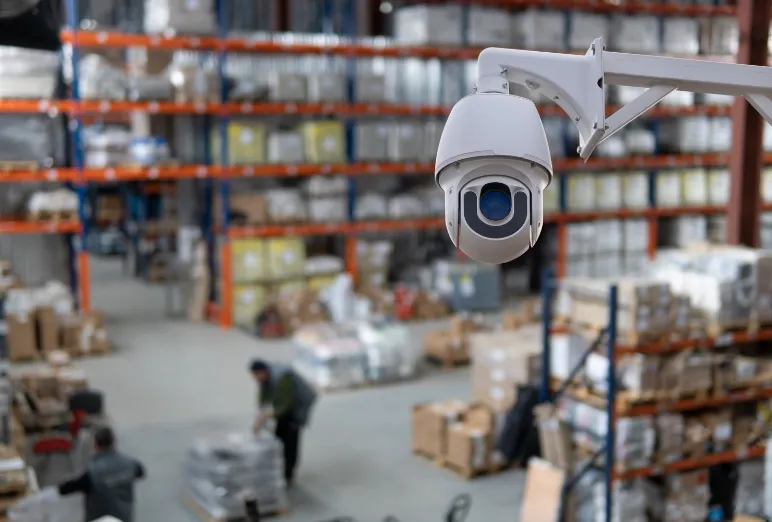

Job site surveillance cameras help construction companies reduce theft, monitor worker safety, protect expensive equipment, and keep projects on schedule. A properly planned system gives site managers live visibility, recorded evidence, remote access, and after-hours protection without needing full-time guards on-site. The best setups combine high-definition CCTV cameras, AI motion detection, mobile alerts, night vision, and cloud storage to secure both small residential builds and large commercial projects.
Quick Takeaways
- Construction theft costs thousands per incident and often delays projects
- Modern surveillance systems provide 24/7 remote monitoring
- AI-powered cameras reduce false alarms from weather or animals
- Solar-powered and wireless systems work well for temporary job sites
- Video evidence helps with insurance claims and liability disputes
- Time-lapse recording improves project documentation and client reporting
- Visible cameras discourage trespassing and vandalism before it happens
Why Job Site Surveillance Cameras Matter More Than Ever
Construction sites are easy targets. Tools disappear overnight. Fuel gets siphoned. Copper wiring vanishes before installation. Unauthorized visitors walk onto active sites after hours. Even one security breach can throw an entire project timeline off balance.
Most contractors only think about surveillance after a theft happens. By then, the financial damage is already done.
A strong surveillance setup changes that.
Instead of reacting to incidents, site managers can:
- Monitor activity in real time
- Receive instant alerts after hours
- Track deliveries and subcontractor movement
- Document accidents and disputes
- Protect machinery worth hundreds of thousands of dollars
For builders handling multiple projects at once, remote visibility becomes a major operational advantage.
What Are Job Site Surveillance Cameras?
Job site surveillance cameras are security systems designed specifically for temporary, outdoor, and high-risk construction environments. Unlike standard office CCTV systems, these cameras are built to handle:
- Dust
- Rain
- Heat
- Low-light conditions
- Constant movement
- Remote locations
- Temporary power availability
Most systems include:
| Feature | Purpose |
|---|---|
| HD Cameras | Capture clear footage for identification |
| Night Vision | Monitor sites after dark |
| Motion Detection | Trigger alerts for suspicious movement |
| Cloud Storage | Store footage remotely |
| Mobile Access | Allow remote viewing from phones or tablets |
| AI Analytics | Reduce false alarms |
| PTZ Cameras | Pan, tilt, and zoom for wider coverage |
| Solar Power Options | Support sites without permanent electricity |
The Biggest Security Risks on Construction Sites
Equipment Theft
Heavy machinery, generators, compressors, and power tools are common targets because they are expensive and easy to resell.
A single stolen excavator can cost more than an entire surveillance system deployment.
Material Theft
Copper, timber, steel, and electrical components frequently disappear from unsecured sites. Replacing materials creates budget overruns and scheduling issues.
Vandalism
Graffiti, property damage, and intentional sabotage slow down progress and increase cleanup costs.
Liability Claims
Without recorded footage, disputes become difficult to prove. Surveillance cameras provide evidence for:
- Worker injury investigations
- Insurance claims
- Trespassing incidents
- Vehicle damage
- Delivery disputes
Unauthorized Access
Construction zones are dangerous. Cameras help identify trespassers and prevent after-hours entry.
Types of Job Site Surveillance Cameras
Different sites require different camera setups. Choosing the right configuration matters.
Wireless Surveillance Cameras
Wireless systems are ideal for temporary construction projects because they are fast to install and easier to relocate.
Best For
- Residential builds
- Short-term projects
- Remote locations
- Rapid deployment
Pros
- Minimal cabling
- Faster installation
- Flexible positioning
- Lower infrastructure costs
Cons
- Depend on signal strength
- Battery management may be required
Solar-Powered Security Cameras
Solar-powered systems are popular for undeveloped sites without reliable power access.
These systems combine solar panels with battery storage so cameras continue operating overnight and during cloudy conditions.
Best For
- Rural construction projects
- Roadworks
- Infrastructure sites
- Remote industrial locations
PTZ Cameras (Pan-Tilt-Zoom)
PTZ cameras allow operators to remotely control camera movement and zoom levels.
They are especially useful for monitoring:
- Entry gates
- Material storage areas
- Large-scale commercial sites
- Vehicle access points
AI-Powered Surveillance Cameras
AI surveillance technology has improved dramatically in recent years.
Older motion systems triggered alerts for nearly everything. Wind, shadows, rain, and wildlife created constant false alarms.
Modern AI systems can identify:
- Humans
- Vehicles
- Suspicious movement patterns
- Loitering behavior
This reduces unnecessary alerts and helps security teams respond faster to real threats.
Where Should Cameras Be Installed on a Job Site?
Poor camera placement ruins even expensive security systems.
The most effective construction surveillance setups typically cover:
Entry and Exit Gates
Track vehicles, deliveries, subcontractors, and visitor access.
Equipment Storage Areas
Monitor high-value tools and machinery after hours.
Material Storage Zones
Protect copper, steel, wiring, and building supplies.
Perimeter Fencing
Identify trespassing attempts before intruders enter the active work zone.
Parking Areas
Reduce theft and liability incidents involving worker vehicles.
Elevated Overview Angles
High-mounted cameras provide better site visibility and reduce blind spots.
How Remote Monitoring Improves Site Management
Modern surveillance systems do more than record footage.
Remote monitoring allows project managers to check sites from anywhere using mobile apps or desktop dashboards.
That becomes extremely valuable when managing multiple construction locations.
Benefits of Remote Monitoring
| Benefit | Impact |
|---|---|
| Live Video Access | Immediate visibility into site activity |
| Instant Alerts | Faster response to intrusions |
| Reduced Travel | Less time spent driving between sites |
| Better Oversight | Monitor subcontractor performance |
| Project Verification | Confirm deliveries and milestones |
| Insurance Support | Access recorded evidence quickly |
Job Site Surveillance Cameras and Worker Safety
Security cameras are not only about theft prevention.
They also improve workplace safety.
Footage helps identify:
- Unsafe operating procedures
- PPE compliance issues
- Vehicle movement risks
- Hazardous site behavior
- Near-miss incidents
Many contractors use recorded footage during toolbox talks and safety reviews to improve training.
Time-Lapse Cameras for Construction Projects
Time-lapse recording has become increasingly popular on commercial projects.
These cameras capture progress over weeks or months and compress it into short videos.
Construction companies use time-lapse footage for:
- Client reporting
- Marketing campaigns
- Stakeholder updates
- Project documentation
- Dispute resolution
It also creates a professional archive of the build process.
How Much Do Job Site Surveillance Cameras Cost?
Pricing depends on:
- Site size
- Camera quantity
- Monitoring requirements
- Power availability
- Recording duration
- AI features
- Installation complexity
Typical Cost Factors
| System Type | Typical Investment Range |
|---|---|
| Basic Wireless Setup | Lower upfront cost |
| AI-Integrated System | Mid to higher range |
| Large Commercial Deployment | Custom pricing |
| Solar Surveillance Trailer | Premium solution |
The real question is not the system cost.
It is the cost of doing nothing.
One overnight theft incident can easily exceed the yearly surveillance investment.
Common Mistakes Contractors Make
Relying Only on Lighting
Lights help, but they do not record evidence or send alerts.
Installing Too Few Cameras
Blind spots create vulnerabilities that intruders quickly learn.
Ignoring Storage Capacity
Low storage limits can overwrite important footage before incidents are discovered.
Choosing Residential Cameras
Standard home security cameras often fail in harsh construction environments.
No Remote Access
Without remote viewing, security becomes reactive instead of proactive.
What Features Should You Look For?
When comparing systems, prioritize these features:
Minimum 1080p Resolution
Higher resolution improves identification accuracy.
Infrared Night Vision
Essential for overnight monitoring.
Weatherproof Housing
Construction sites expose equipment to harsh conditions.
Cloud and Local Recording
Dual storage provides additional protection.
Smart Motion Detection
Reduces false alarms and unnecessary notifications.
Mobile App Access
Allows site managers to monitor activity from anywhere.
Backup Power
Keeps systems operating during outages.
Are Surveillance Cameras Worth It for Small Construction Sites?
Absolutely.
Smaller sites are often targeted because criminals assume security is limited.
Even a compact wireless setup can:
- Discourage theft
- Protect tools
- Monitor deliveries
- Provide liability protection
- Improve oversight
For smaller contractors, surveillance cameras can prevent losses that directly impact profit margins.
Best Practices for Construction Site Surveillance
Combine Cameras With Physical Security
Use fencing, locked storage, and warning signage alongside cameras.
Place Cameras High Enough
Elevated positioning reduces tampering risks.
Test Alerts Regularly
Do not assume notifications work correctly without testing.
Use Visible Cameras
Visible systems discourage criminal activity before it starts.
Retain Footage Long Enough
Many incidents are discovered days later. Longer retention helps investigations.
Final Thoughts on Job Site Surveillance Cameras
Construction projects move fast. Security problems move faster.
The most effective job site surveillance systems do more than capture footage. They help contractors protect equipment, reduce downtime, improve accountability, and manage sites more efficiently from anywhere.
Whether securing a small residential build or a multi-million-dollar commercial project, the right surveillance setup can prevent losses that far exceed the initial investment.

























Sign in to leave a comment.