

In the ever-evolving world of skincare, non-invasive treatments are becoming increasingly popular for delivering visible results without downtime. One such innovation is LED light therapy—a science-backed treatment designed to rejuvenate the skin, improve tone and texture, and address a wide range of concerns from acne to fine lines.
But how exactly does it work? And why is it gaining so much attention in professional spas and dermatology clinics? Let’s explore the science, benefits, and long-term value of this advanced skincare solution.
What Is LED Light Therapy?
LED (Light Emitting Diode) light therapy is a non-invasive treatment that uses specific wavelengths of light to penetrate the skin at varying depths. Unlike UV light, which can damage skin cells, LED light is safe and does not cause burns or irritation when used properly.
Originally developed by NASA to help astronauts heal wounds in space, LED technology was later adapted for medical and cosmetic purposes. Today, it is widely used in aesthetic treatments for improving skin health and appearance.
The core idea behind led light therapy for skin benefits is photobiomodulation, a process in which light energy stimulates cellular activity, enhancing the skin’s natural repair mechanisms.
The Science Behind LED Light Therapy
To understand how LED light therapy rejuvenates the skin, it’s important to look at how different wavelengths interact with skin cells.
When LED light is applied to the skin:
- Light energy penetrates the epidermis and dermis.
- Skin cells absorb this light energy.
- Mitochondria (the “powerhouses” of cells) increase ATP production.
- Increased ATP boosts cellular repair and regeneration.
This stimulation accelerates collagen production, reduces inflammation, and promotes healthier skin function overall.
Different colors of light target specific concerns.
Red Light: Collagen and Anti-Aging Support
Red light typically penetrates deeper layers of the skin. It is widely used for anti-aging treatments because it stimulates fibroblasts—the cells responsible for collagen production.
Benefits of red light include:
- Reduced appearance of fine lines and wrinkles
- Improved skin firmness
- Enhanced elasticity
- Smoother texture
As collagen levels increase over time, the skin becomes plumper and more youthful-looking. Many clients seeking led light therapy for skin benefits are particularly interested in red light for its anti-aging properties.
Blue Light: Acne and Oil Control
Blue light works closer to the skin’s surface and is highly effective in targeting acne-causing bacteria.
It helps by:
- Destroying acne-causing bacteria
- Reducing breakouts
- Regulating oil production
- Calming inflamed skin
Unlike harsh topical treatments that can dry out the skin, blue light therapy addresses acne without disrupting the skin barrier.
Near-Infrared Light: Deep Healing and Repair
Near-infrared light penetrates even deeper than red light and supports tissue repair and inflammation reduction.
It is often used to:
- Speed up healing after treatments
- Reduce redness
- Improve circulation
- Promote overall skin vitality
This wavelength is especially helpful when combined with other skin procedures, enhancing recovery and boosting results.
How LED Light Therapy Improves Skin Texture
Uneven texture can result from aging, acne scars, enlarged pores, and environmental damage. LED therapy addresses these concerns by stimulating natural repair processes.
Collagen Remodeling
Collagen production is key to smooth, even skin. As LED light boosts fibroblast activity, new collagen forms and gradually fills in fine lines and minor textural irregularities.
Increased Cell Turnover
By energizing skin cells, LED therapy accelerates the natural shedding of dead skin and replacement with healthier cells. This leads to softer, more refined texture.
Reduced Inflammation
Chronic inflammation contributes to roughness and redness. LED therapy calms irritated skin, resulting in a more balanced surface.
These combined effects explain why led light therapy for skin benefits has become a go-to treatment for individuals seeking smoother, healthier-looking skin without aggressive procedures.
How LED Light Therapy Improves Skin Tone
Uneven skin tone can stem from sun exposure, acne marks, redness, or dullness. LED light therapy supports a brighter, more even complexion in several ways.
Enhanced Circulation
Improved blood flow brings oxygen and nutrients to skin cells, creating a natural glow.
Reduction in Redness
Anti-inflammatory wavelengths help calm rosacea and irritation, promoting more uniform tone.
Fading Post-Inflammatory Marks
As cell turnover improves, dark spots and post-acne marks gradually fade, revealing clearer skin underneath.
What to Expect During a Treatment
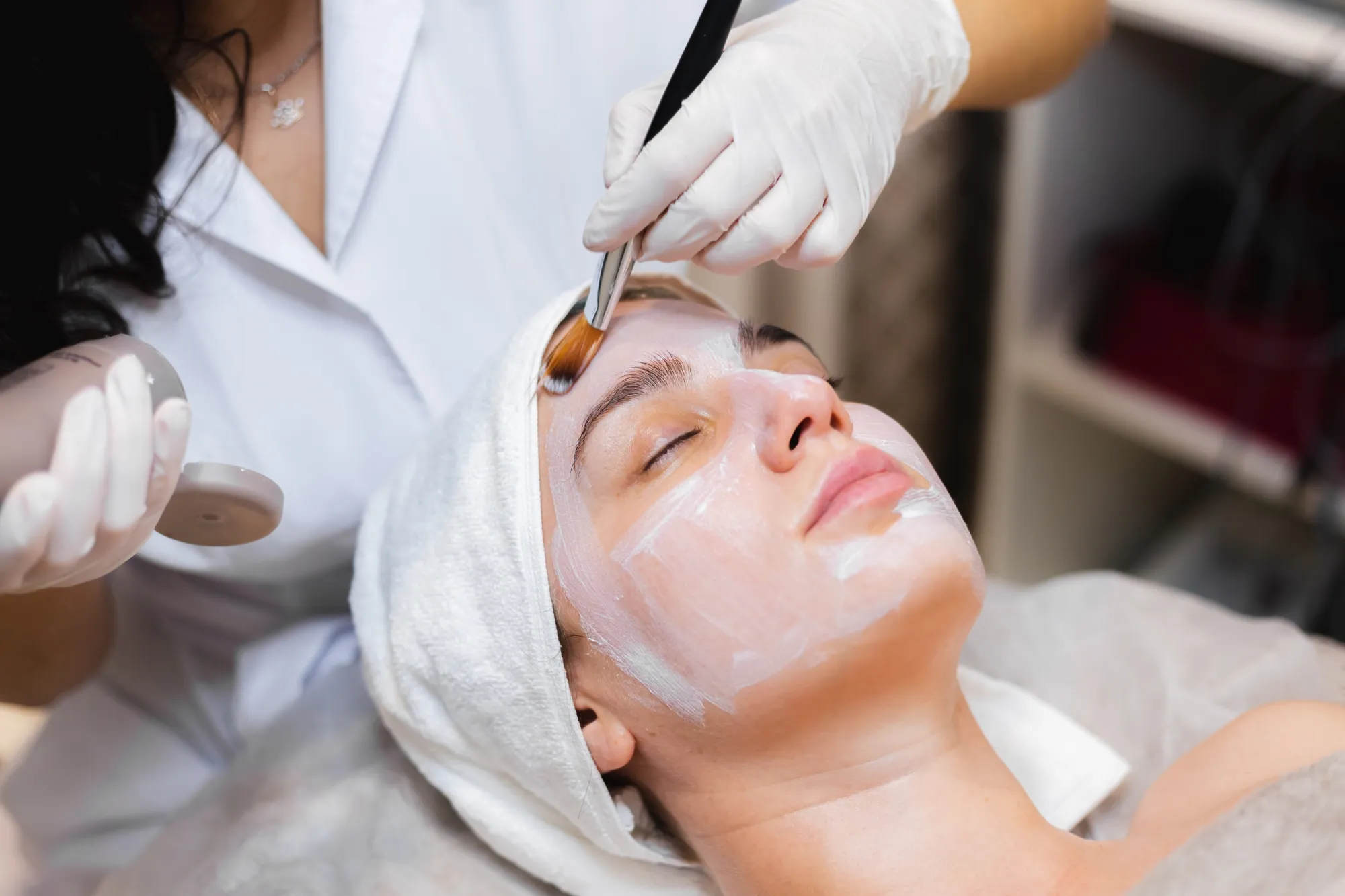
An LED light therapy session is comfortable and relaxing.
- The skin is cleansed.
- Protective eyewear is provided.
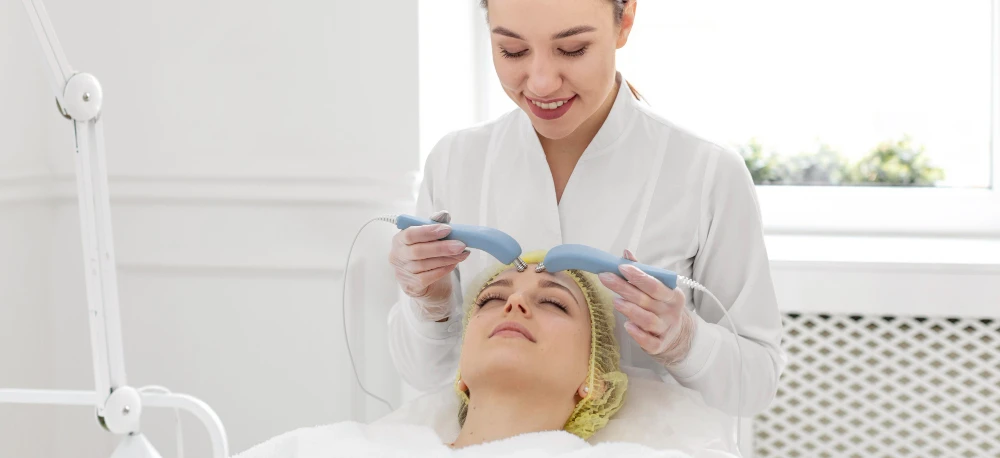
- A specialized LED device is positioned over the face.
- The treatment lasts 15–30 minutes.
There is no pain, and most clients describe the experience as soothing and warm.
Unlike more intensive procedures, there is no peeling, redness, or downtime. You can return to normal activities immediately.
This convenience is one reason led light therapy for skin benefits is frequently incorporated into regular skincare maintenance plans.
How Many Sessions Are Needed?
While some people notice a glow after one session, optimal results typically require multiple treatments.
A common plan includes:
- 1–2 sessions per week for 4–6 weeks
- Maintenance treatments once per month
Consistency is essential because LED therapy works by gradually stimulating natural biological processes rather than forcing dramatic immediate change.
Combining LED Light Therapy with Other Treatments
LED therapy pairs well with many aesthetic procedures, including:
- Facials
- Microneedling
- Chemical peels
- Laser treatments
Because it reduces inflammation and speeds healing, it can enhance results and minimize downtime when used after more intensive treatments.
Many skincare professionals recommend integrating led light therapy for skin benefits into broader rejuvenation programs for more comprehensive results.
Is LED Light Therapy Safe?
Yes, when administered correctly, LED light therapy is considered very safe for most skin types and tones. It does not contain UV rays, so it does not increase the risk of skin cancer or cause burns.
However, individuals who are photosensitive or taking certain medications should consult a medical professional before treatment.
Choosing a licensed and experienced provider ensures proper wavelength selection and session timing.
Long-Term Benefits of LED Light Therapy
With consistent use, LED therapy can:
- Improve firmness and elasticity
- Reduce acne flare-ups
- Even out pigmentation
- Enhance overall radiance
- Strengthen the skin barrier
Unlike temporary cosmetic fixes, this treatment works at a cellular level to promote lasting improvement.
For those seeking a gentle yet effective solution, led light therapy for skin benefits offers a science-backed path toward healthier skin without invasive measures.
Final Thoughts
LED light therapy represents a modern approach to skin rejuvenation—one that harnesses the power of light to stimulate the body’s natural healing processes. By increasing collagen production, reducing inflammation, improving circulation, and enhancing cellular energy, this treatment addresses both texture and tone concerns at their source.
Whether you’re targeting acne, early signs of aging, or general dullness, consistent sessions can help restore balance and radiance to your complexion.
As skincare continues to evolve, non-invasive solutions like led light therapy for skin benefits stand out for their safety, effectiveness, and ability to deliver visible improvements over time.



















Sign in to leave a comment.