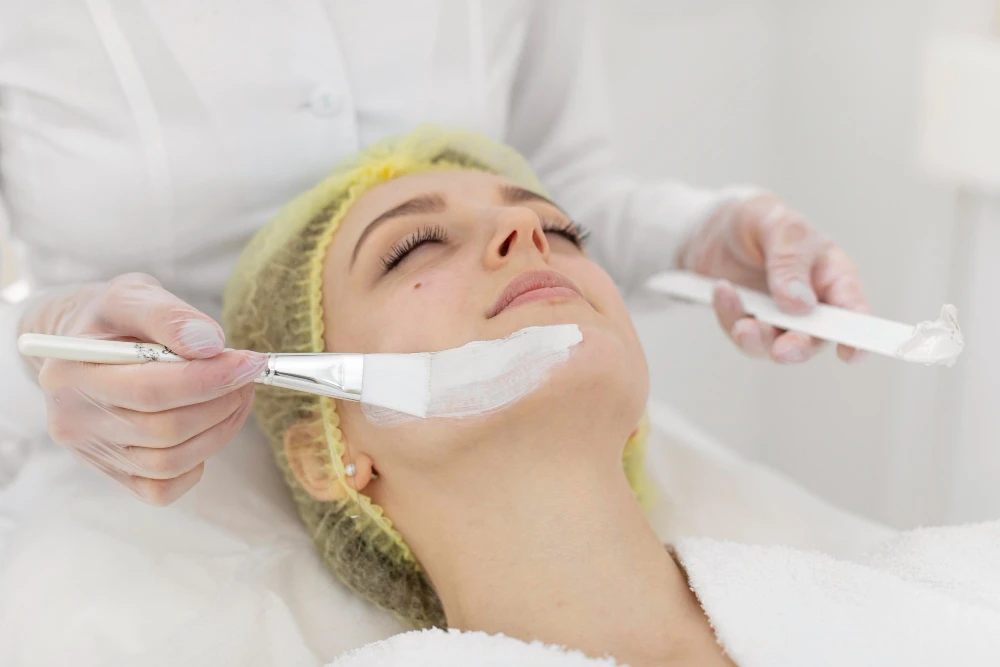

Healthy, radiant skin is often associated with smooth texture and even tone. However, factors like sun exposure, aging, acne, pollution, and hormonal changes can leave skin looking dull, rough, and uneven. If you’re searching for a proven solution to restore clarity and smoothness, chemical peels may be exactly what your skincare routine needs.
In this article, we’ll explore how chemical peels work, why they’re effective, and how they significantly improve skin texture and tone.
What Are Chemical Peels?
Chemical peels are professional skin-resurfacing treatments that use carefully formulated acids to exfoliate the outer layers of the skin. By removing damaged skin cells, they encourage new, healthier skin to emerge.
Unlike physical exfoliation methods that scrub away surface debris, chemical peels penetrate deeper layers depending on their strength. This controlled exfoliation process stimulates cellular turnover and collagen production—two key elements in achieving smoother and more even-looking skin.
There are three primary types of peels:
- Superficial peels – Target the outermost layer for mild texture and tone improvements
- Medium peels – Reach deeper to address pigmentation and moderate skin concerns
- Deep peels – Penetrate further for advanced resurfacing and dramatic rejuvenation
Each type is selected based on individual skin concerns and goals.
How Chemical Peels Improve Skin Texture
1. Exfoliation of Dead Skin Cells
Over time, dead skin cells accumulate on the surface, leading to rough patches and a dull appearance. Chemical peels dissolve the bonds that hold these cells together, allowing them to shed naturally.
As the old layer peels away, fresh skin underneath is revealed. The result is noticeably smoother texture and a softer feel.
2. Stimulating Collagen Production
Collagen is the structural protein responsible for skin firmness and smoothness. As we age, collagen production slows, leading to fine lines, enlarged pores, and uneven texture.
Medium and deep chemical peels stimulate collagen remodeling by triggering the skin’s natural healing response. This renewal process gradually improves skin thickness, elasticity, and overall smoothness.
3. Minimizing the Appearance of Acne Scars
Acne scars often create uneven texture due to depressions or discoloration left behind after breakouts. Chemical peels help by:
- Promoting cell turnover
- Lightening post-inflammatory hyperpigmentation
- Improving shallow acne scarring
While deeper scars may require additional treatments, consistent sessions can dramatically refine surface irregularities.
4. Refining Enlarged Pores
Large pores are often caused by excess oil production, aging, and sun damage. By exfoliating debris and tightening skin through collagen stimulation, peels reduce pore visibility and create a more refined surface.
How Chemical Peels Improve Skin Tone
Skin tone irregularities often result from pigmentation issues, sun exposure, hormonal fluctuations, or inflammation. Here’s how peels help restore balance.
1. Reducing Hyperpigmentation
Dark spots, melasma, and sun damage can cause uneven coloring. Chemical peels target melanin buildup by removing pigmented surface cells. Over time, this process fades discoloration and promotes a brighter complexion.
Superficial peels are particularly effective for mild pigmentation, while medium peels address deeper discoloration.
2. Brightening Dull Skin
Environmental stressors slow down cell turnover, leaving skin looking tired and lackluster. Chemical exfoliation accelerates renewal, allowing fresh, light-reflecting skin cells to surface.
The result? A naturally radiant glow.
3. Evening Out Redness and Post-Inflammatory Marks
After acne or irritation, the skin may retain red or brown marks. By encouraging gradual exfoliation and renewal, chemical peels help fade these lingering discolorations and restore uniform tone.
The Science Behind Skin Renewal
To understand why chemical peels are so effective, it helps to look at the biology of skin regeneration.
Your skin naturally sheds and replaces cells approximately every 28–40 days. However, aging and environmental damage slow this cycle. When dead cells linger, they create uneven texture and blotchy tone.
Chemical peels accelerate this process by:
- Breaking down intercellular bonds
- Encouraging epidermal turnover
- Stimulating fibroblast activity for collagen synthesis
This controlled resurfacing gives the skin a fresh start, improving both surface smoothness and color consistency.
Who Can Benefit from Chemical Peels?
Chemical peels are suitable for many skin types and concerns, including:
- Rough or uneven skin texture
- Sun damage
- Hyperpigmentation
- Acne scars
- Fine lines
- Dull complexion
That’s why chemical peels for skin rejuvenation have become one of the most requested aesthetic treatments worldwide. They offer noticeable improvement without the invasiveness of surgical procedures.
What to Expect During and After Treatment
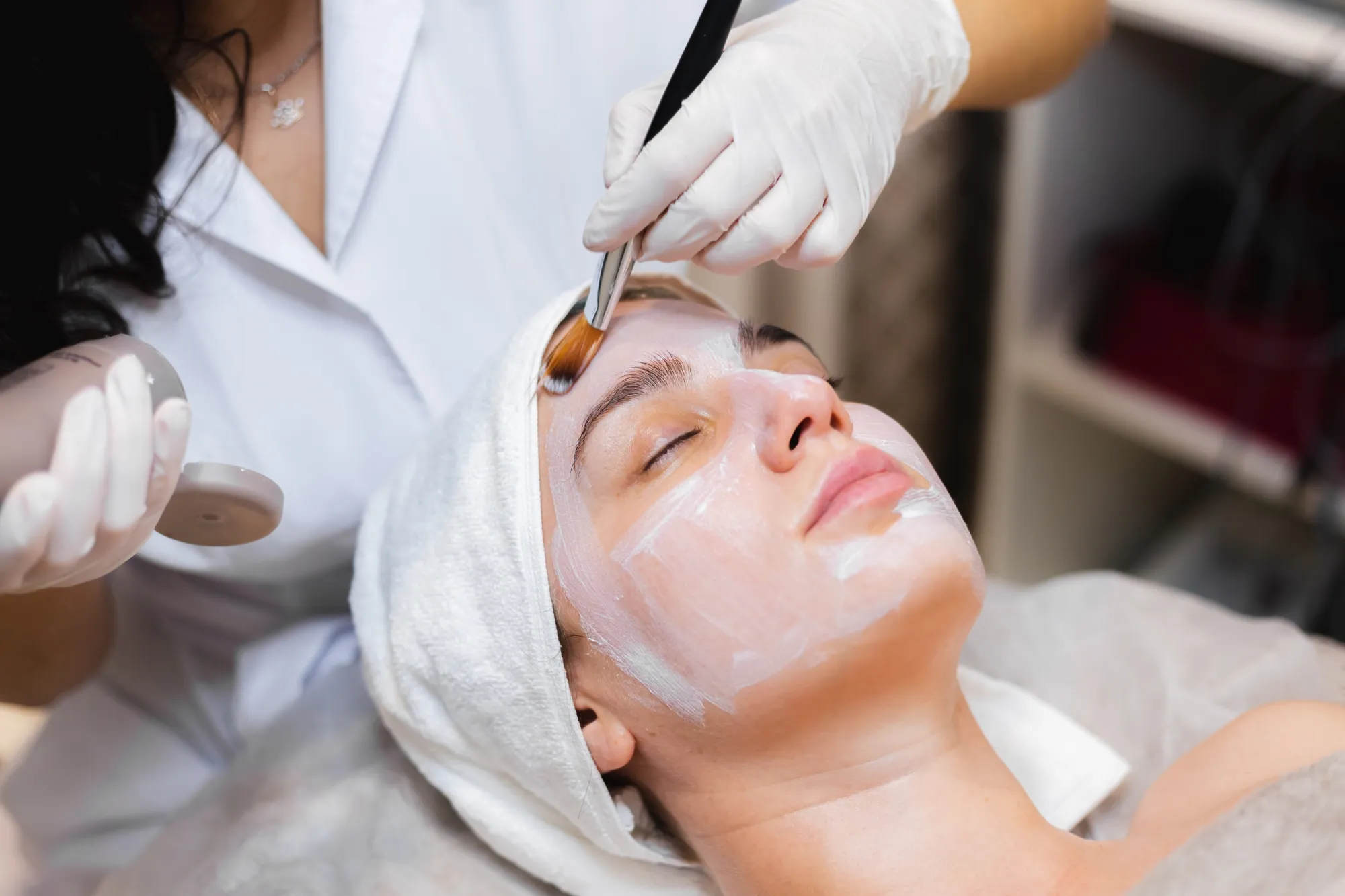
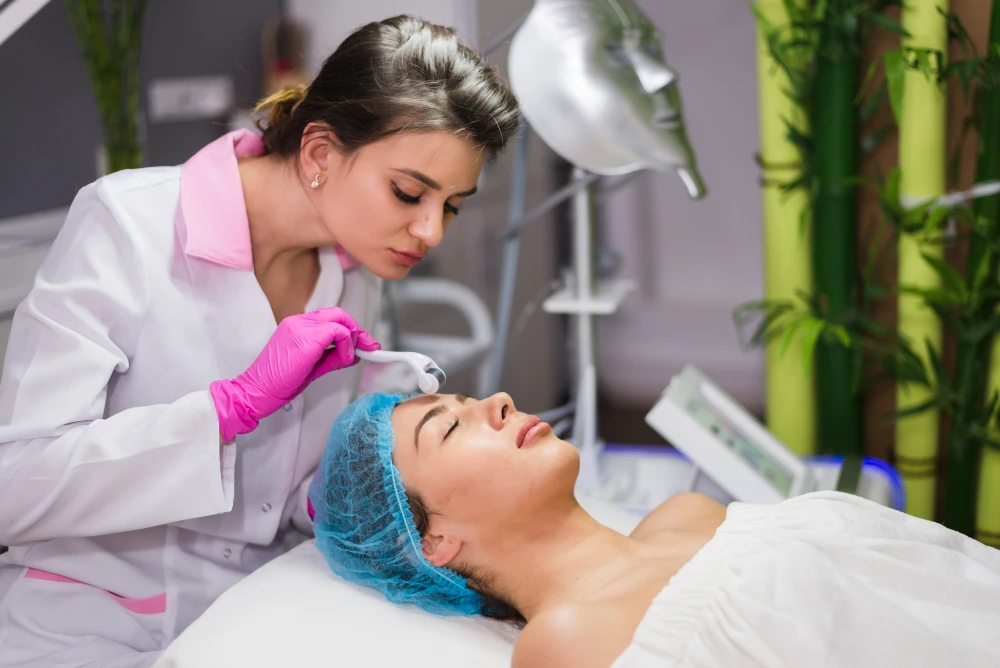
A typical peel session lasts 30 to 45 minutes. The practitioner cleanses the skin and applies the chemical solution. You may feel mild tingling or warmth during the process.
After treatment:
- Superficial peels may cause light flaking for a few days
- Medium peels may result in visible peeling for up to a week
- Deep peels require longer recovery
As the peeling phase subsides, smoother and more even-toned skin becomes visible.
Sun protection is essential after treatment, as newly revealed skin is more sensitive to UV exposure.
How Many Sessions Are Needed?
While some improvement can be seen after a single session, optimal results often require a series of treatments. The number depends on your specific concerns and the depth of the peel.
For ongoing improvement, many patients schedule treatments every 4–6 weeks. Consistency plays a major role in maintaining smooth texture and even tone over time.
This long-term approach is why many skincare professionals recommend chemical peels for skin rejuvenation as part of a comprehensive skin maintenance plan.
Combining Chemical Peels with Other Treatments
Chemical peels can complement other aesthetic treatments such as:
- Microneedling
- Laser resurfacing
- Hydrafacials
- Medical-grade skincare products
When combined strategically, results can be enhanced while addressing multiple concerns simultaneously.
Always consult with a qualified professional before combining procedures to ensure safe and effective outcomes.
Safety and Professional Guidance
Although at-home peel products exist, professional treatments are significantly safer and more effective. Licensed practitioners customize the acid type and strength based on your skin type, medical history, and goals.
Improper use can lead to irritation, hyperpigmentation, or scarring. This is why professional chemical peels for skin rejuvenation are recommended over unsupervised treatments.
A consultation helps determine the most suitable peel and ensures realistic expectations.
Long-Term Benefits for Texture and Tone
When performed correctly and supported with proper skincare, chemical peels offer long-lasting benefits:
- Improved smoothness
- Reduced pigmentation
- Smaller-looking pores
- Brighter complexion
- Softer fine lines
Over time, repeated treatments strengthen the skin’s structure and maintain consistent renewal.
For individuals seeking visible yet non-surgical improvement, chemical peels for skin rejuvenation provide an effective balance between corrective treatment and minimal downtime.
Final Thoughts
Uneven texture and tone are among the most common skin concerns, but they don’t have to be permanent. Chemical peels work by accelerating natural skin renewal, stimulating collagen, and removing damaged surface layers.
The result is smoother, brighter, and more balanced skin that looks refreshed and revitalized.
Whether you’re targeting acne scars, pigmentation, dullness, or early signs of aging, chemical peels for skin rejuvenation offer a science-backed solution that continues to deliver results with consistent care.



























Sign in to leave a comment.