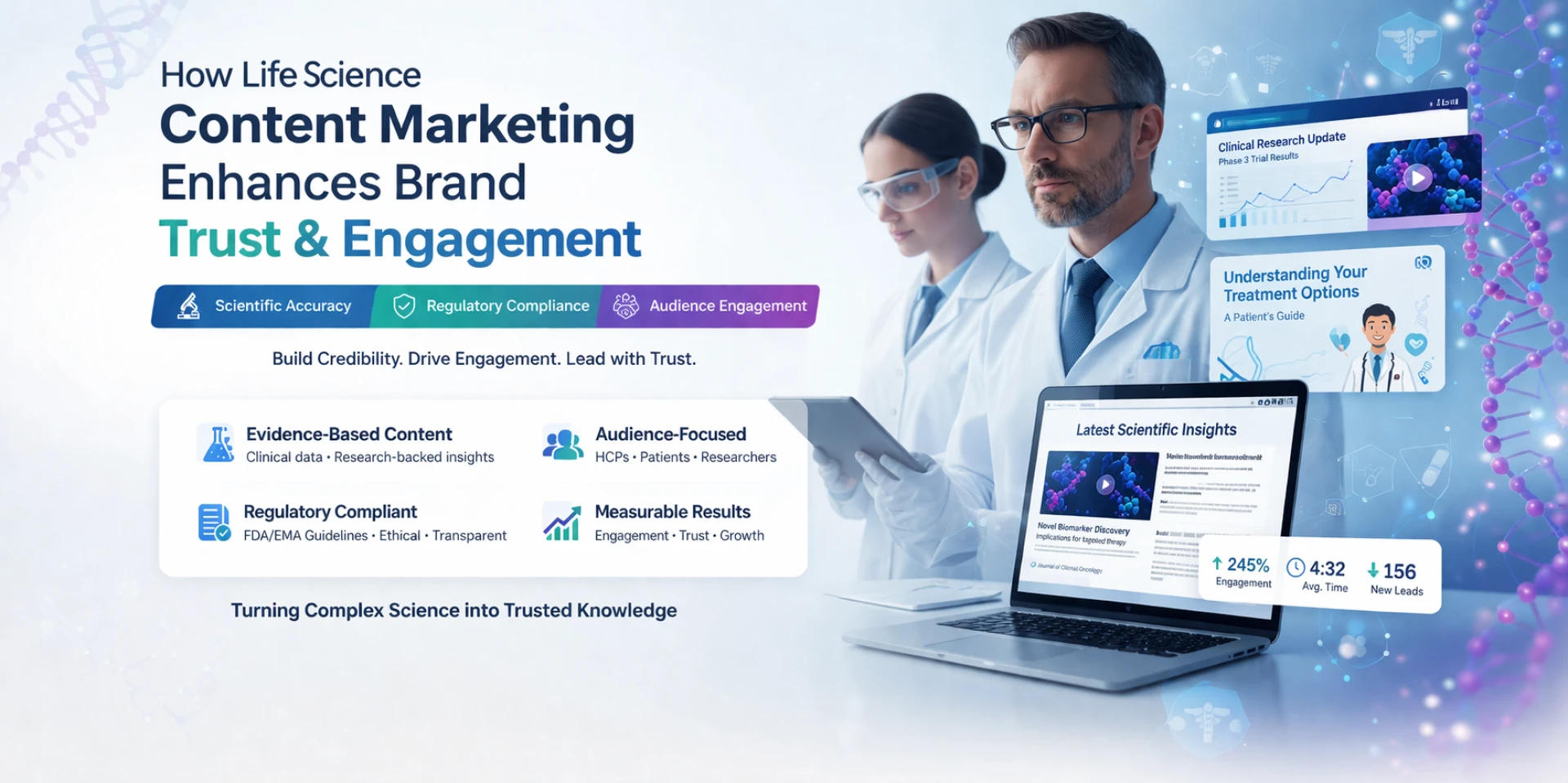
In today’s competitive and highly regulated healthcare environment, trust is one of the most valuable assets a company can build. Organizations operating in pharmaceuticals, biotechnology, medical devices, and healthcare services must communicate complex scientific information with clarity and responsibility. This is where life science content marketing becomes a powerful strategy. By focusing on education, transparency, and compliance, it helps brands establish credibility while driving meaningful audience engagement.
What is Life Science Content Marketing?
Life science content marketing is a strategic approach that involves creating and distributing scientifically accurate, relevant, and audience-focused content. Unlike traditional marketing, which often emphasizes promotion, this approach prioritizes delivering value through education and insights.
The content is typically designed for multiple stakeholders, including:
- Healthcare professionals
- Researchers and scientists
- Patients and caregivers
- Regulatory and industry decision-makers
Common content formats include blogs, whitepapers, case studies, clinical summaries, videos, and webinars. Each piece of content is crafted to simplify complex topics while maintaining scientific integrity.
Why Trust Matters in the Life Sciences Industry
Trust plays a critical role in decision-making within the life sciences sector. Whether it is a physician evaluating treatment options or a patient researching a condition, reliable information is essential. Any form of misleading or unclear communication can harm a brand’s reputation and lead to compliance risks.
Life science content marketing helps build trust by ensuring that every piece of information is accurate, verifiable, and aligned with regulatory standards. This consistency reinforces confidence among audiences and positions the brand as a dependable source of knowledge.
How Life Science Content Marketing Builds Brand Trust
1. Delivering Evidence-Based Information
One of the most effective ways to build trust is through data-driven content. Incorporating clinical research, scientific studies, and expert insights demonstrates authority and reliability. When audiences see well-supported information, they are more likely to engage and trust the source.
2. Maintaining Regulatory Compliance
The life sciences industry operates under strict guidelines. Content must adhere to regulatory frameworks to ensure ethical communication. By following these standards, companies not only avoid legal issues but also strengthen their credibility.
3. Promoting Transparency and Clarity
Transparency is essential in healthcare communication. Clearly explaining both benefits and limitations of products or treatments helps audiences make informed decisions. Honest communication fosters long-term trust and reduces skepticism.
4. Consistency in Messaging
Consistent and well-structured messaging across all platforms reinforces brand identity. When audiences receive uniform and reliable information, it strengthens their perception of the brand’s professionalism and integrity.
Driving Engagement Through Valuable Content
Engagement in life sciences is not just about attracting attention—it is about creating meaningful interactions. Life science content marketing enables brands to connect with their audience in a more impactful way.
1. Understanding Audience Intent
Different audiences have different needs. Healthcare professionals seek clinical data, while patients look for simplified explanations. Tailoring content to these specific needs increases relevance and engagement.
2. Simplifying Complex Scientific Concepts
Scientific information can often be difficult to understand. Breaking it down into clear, digestible formats—such as infographics, short videos, or easy-to-read articles—encourages users to spend more time engaging with the content.
3. Leveraging Multiple Digital Channels
Distributing content across websites, email campaigns, and professional networks expands reach. A multi-channel approach ensures that the right message reaches the right audience at the right time.
4. Encouraging Interaction and Feedback
Interactive content such as webinars, Q&A sessions, and surveys allows audiences to actively participate. This not only increases engagement but also provides valuable insights into audience preferences.
The Role of Thought Leadership in Building Authority
Thought leadership is a key outcome of effective life science content marketing. By consistently sharing expert insights, industry trends, and innovative ideas, companies can position themselves as leaders in their field.
This includes:
- Publishing in-depth research articles
- Sharing expert opinions and analysis
- Contributing to industry discussions
- Hosting educational webinars and events
When a brand becomes a reliable source of knowledge, it naturally earns the trust of its audience and encourages ongoing engagement.
Strengthening Relationships with Healthcare Professionals and Patients
A well-executed content strategy helps bridge the gap between organizations and their audiences. For healthcare professionals, it provides access to credible and up-to-date clinical information. For patients, it offers clear and understandable guidance on conditions and treatments.
This dual impact leads to:
- Stronger professional relationships
- Increased patient confidence
- Better-informed decision-making
Over time, these relationships contribute to higher engagement levels and long-term loyalty.
Measuring the Impact of Life Science Content Marketing
To ensure effectiveness, it is important to track the performance of content efforts. Key metrics include:
- Website traffic and user behavior
- Time spent on content pages
- Engagement rates (shares, comments, downloads)
- Lead generation and conversions
Analyzing these metrics helps refine strategies and improve future content performance.
Future Trends in Life Science Content Marketing
As technology continues to evolve, life science content marketing is also transforming. Emerging trends include:
- Personalized content experiences
- AI-driven content strategies
- Interactive and immersive formats
- Increased focus on patient-centric communication
Staying ahead of these trends allows brands to remain competitive and relevant in a rapidly changing landscape.
Conclusion
Life science content marketing is a critical strategy for enhancing brand trust and engagement in a complex and regulated industry. By focusing on accuracy, transparency, and audience-centric communication, organizations can build lasting relationships and establish themselves as credible authorities. A strategic approach to content not only drives engagement but also supports long-term growth and reputation. Brands like Lisa T Miller exemplify how high-quality, compliant, and informative content can successfully connect with audiences while building trust and delivering meaningful value.




























Sign in to leave a comment.