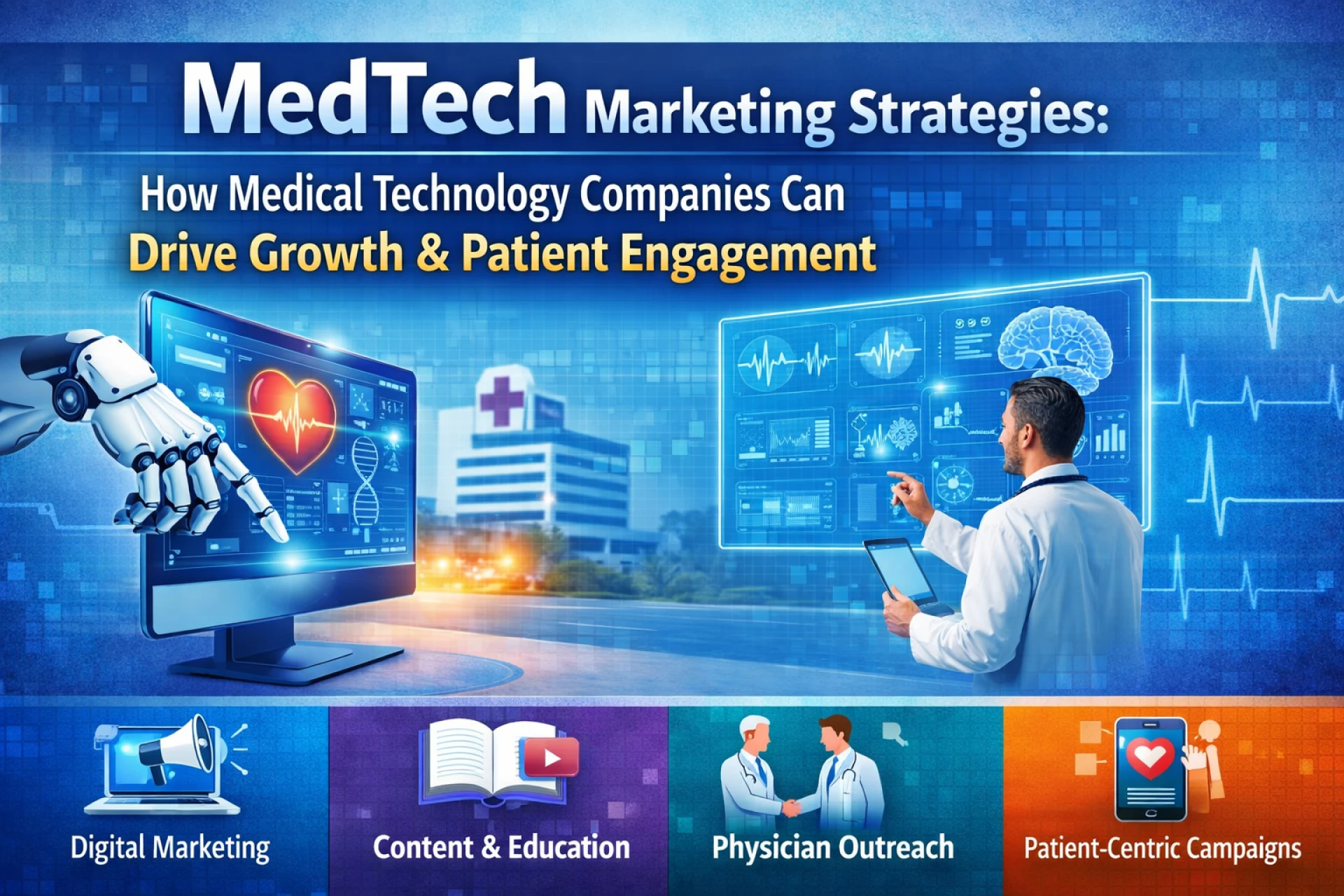
The medical technology (MedTech) industry is one of the fastest-growing sectors in healthcare. With innovations ranging from diagnostic devices to AI-driven healthcare solutions, companies face increasing pressure to not only develop cutting-edge products but also ensure these solutions reach the right audience effectively. MedTech marketing strategies are essential for building brand credibility, educating healthcare professionals, engaging patients, and ultimately driving growth.
Unlike traditional consumer marketing, MedTech marketing requires a careful balance of technical expertise, regulatory compliance, and audience education. Companies must engage multiple stakeholders, including physicians, hospital administrators, insurance providers, and patients, each with unique needs and expectations.
Understanding the MedTech Marketing Landscape
Medical technology is rapidly evolving, and so are the expectations of healthcare providers and patients. Key trends influencing MedTech marketing include:
- Digital transformation: Healthcare institutions are increasingly adopting digital health technologies, creating opportunities for online engagement.
- Patient-centric care: Patients are more informed and involved in decision-making, requiring accessible and transparent communication.
- Data-driven healthcare: The use of AI, machine learning, and analytics in medical devices demands precise messaging that highlights real-world impact.
- Competitive market pressures: With more MedTech startups entering the market, differentiation through marketing becomes critical.
Understanding this landscape helps companies design strategies that not only promote products but also build trust, authority, and engagement.
Key MedTech Marketing Strategies
1. Educational Content Marketing
Content marketing is one of the most effective strategies in MedTech. Educational materials such as whitepapers, blogs, case studies, webinars, and explainer videos provide value to healthcare professionals and patients. By presenting research-backed information, companies establish themselves as thought leaders in their field.
Tip: Focus on solving real clinical problems. For example, highlight how a diagnostic device improves patient outcomes or reduces hospital readmission rates.
2. Digital Presence and Search Engine Optimization (SEO)
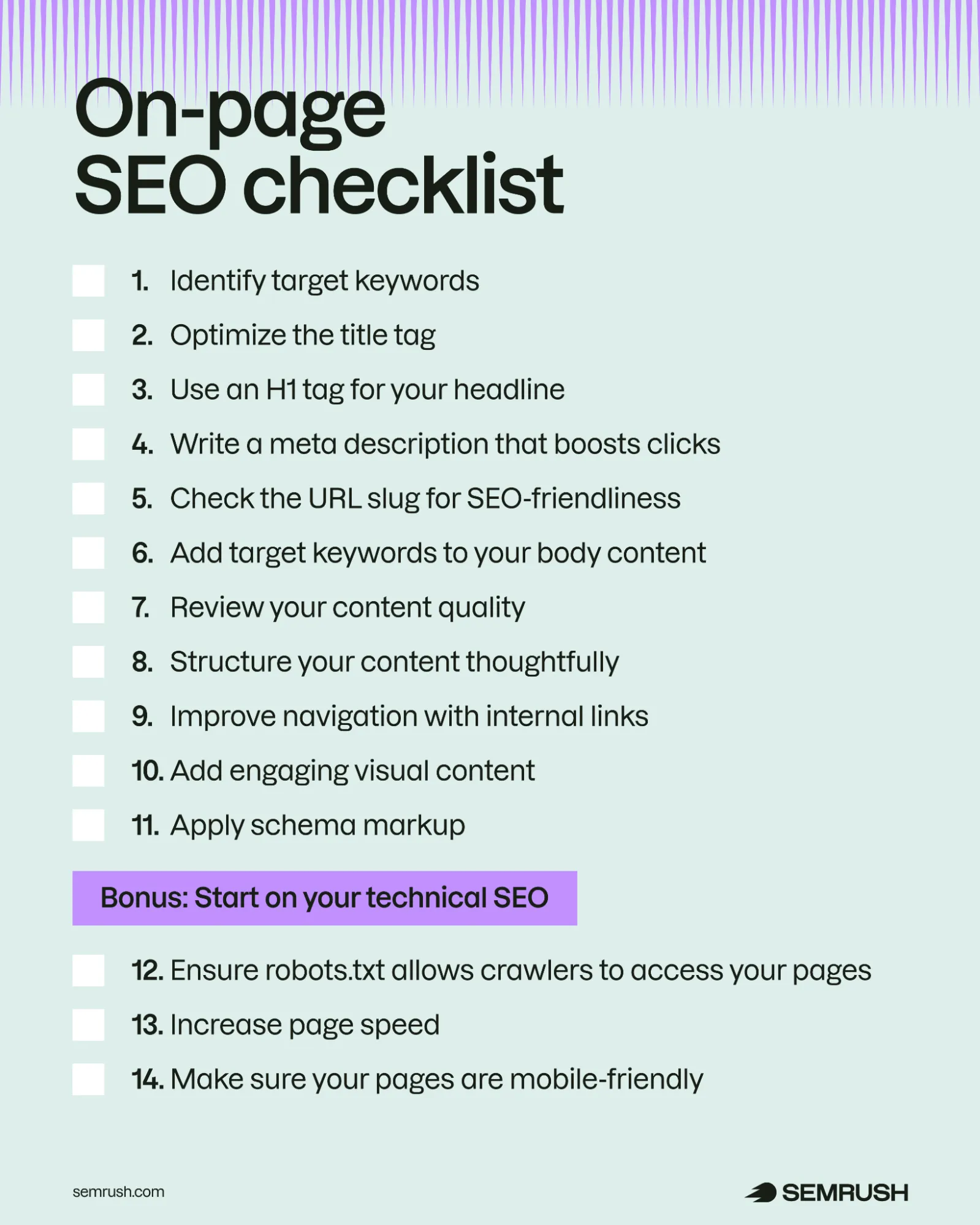
A strong online presence is essential for MedTech companies. A well-optimized website ensures visibility in search engine results when healthcare professionals or patients are seeking solutions. Incorporating targeted keywords related to medical technology products, services, and patient care helps improve organic reach.
Additionally, digital advertising, social media campaigns, and email newsletters allow precise targeting of professionals and patient groups. Platforms like LinkedIn and medical forums are particularly effective for B2B MedTech marketing.
3. Patient Engagement Strategies
Engaging patients directly enhances product adoption and satisfaction. Creating patient-friendly content, interactive tools, mobile apps, and instructional videos empowers patients to understand their treatment options. Educated patients are more likely to adhere to medical guidance, share feedback, and trust the technology used in their care.
4. Healthcare Professional Outreach
Healthcare professionals (HCPs) are key decision-makers for MedTech products. Personalized email campaigns, educational webinars, workshops, and in-person presentations at hospitals and clinics strengthen professional relationships. Highlighting clinical trial results, peer-reviewed studies, and product efficacy can influence HCP decisions.
5. Trade Shows and Industry Conferences
Industry events remain invaluable for MedTech marketing. Conferences and trade shows allow hands-on product demonstrations, networking, and direct feedback from professionals. While in-person events are impactful, virtual conferences and webinars have emerged as cost-effective ways to reach a global audience, offering both scale and convenience.
6. Data-Driven Marketing
Leveraging analytics and marketing automation enables MedTech companies to understand audience behavior, optimize campaigns, and measure ROI. By segmenting audiences based on role, location, or engagement patterns, marketing efforts can be personalized for maximum effectiveness.
Example: Tracking webinar attendance and follow-up interactions can help identify high-value leads among hospital administrators or specialist physicians.
7. Strategic Partnerships and Collaborations
Collaborations with hospitals, research institutions, and patient advocacy groups can amplify marketing efforts. Partnerships not only provide credibility but also offer real-world validation for products. Joint studies, co-branded campaigns, and educational initiatives strengthen brand reputation and trust among professionals and patients.
8. Regulatory Compliance and Ethical Marketing
Compliance is a cornerstone of MedTech marketing. Ensuring all claims are evidence-based and transparent protects against legal issues and builds trust. Marketing materials must meet local regulatory requirements such as HIPAA, FDA regulations, or CE marking guidelines. Ethical marketing ensures the company’s reputation aligns with patient safety and professional standards.
Measuring the Effectiveness of MedTech Marketing
Effective MedTech marketing is measurable through key performance indicators (KPIs) such as:
- Website traffic, lead generation, and conversion rates
- Engagement with content (downloads, video views, webinar participation)
- Social media interactions and reach among healthcare professionals
- Feedback from patients and HCPs on educational initiatives
- ROI from campaigns, events, and partnerships
Regularly reviewing these metrics allows companies to refine strategies, improve outreach, and maximize impact.
Conclusion
For MedTech companies, marketing is no longer just about selling products; it is about educating, engaging, and building trust. By implementing strategies like content marketing, patient engagement, digital optimization, data-driven campaigns, and professional outreach, companies can drive growth while improving healthcare outcomes.
At Lisa T. Miller, we help medical technology companies craft innovative marketing strategies that align with business objectives and foster meaningful engagement with both healthcare professionals and patients.




























Sign in to leave a comment.