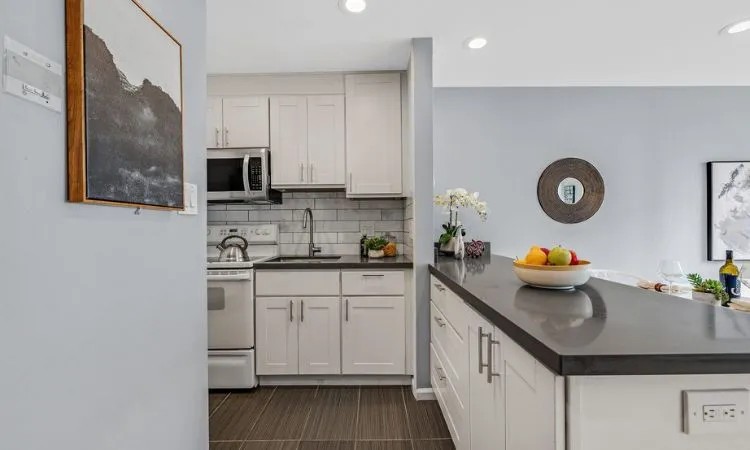

Lighting affects much more than whether a room looks bright. It influences how colors appear, how surfaces reflect light, where attention naturally settles, and how comfortable a space feels at different times of day. For a property being prepared for sale, these details influence how staging choices come together.
For professionals providing home staging in San Leandro, evaluating available light becomes part of understanding the property rather than treating lighting as a finishing touch.
Start by Observing Light Throughout the Home
A staging plan works better when it accounts for how lighting changes throughout a property. Walk through each room at different points of the day and observe where sunlight enters, which areas remain dim, and how shadows move across walls and furnishings.
This process reveals details that a single daytime walkthrough may miss. A room that appears naturally bright in the morning may feel considerably different later. A dining area may receive indirect light while an adjoining living room receives direct sunlight.
Understand How Window Direction Affects Presentation
Windows do more than provide views. Their direction affects the quality and intensity of incoming light.
Rooms facing different directions may develop distinct visual qualities during the day. Direct sunlight may create stronger highlights and shadows, while indirect illumination may produce a softer appearance.
A thoughtful staging approach considers these relationships before furnishings arrive.
Use Window Treatments Without Blocking the Advantage
Window treatments influence how much natural light enters a room. Heavy curtains may reduce glare or provide privacy, yet they may also obscure a desirable view or make a room feel enclosed.
For a property being prepared for listing, window treatments often work best when they support the room's existing qualities. Curtains may frame a window rather than cover it completely. Blinds or shades may remain open when privacy and conditions allow.
A home stager in San Leandro may also consider how windows appear from different positions. A beautiful view deserves visibility, while an awkward exterior feature may call for a different treatment.
Choose Colors Based on Available Light
Paint, upholstery, rugs, and accessories do not look exactly the same under every lighting condition. A neutral wall may appear warmer in afternoon sunlight and cooler under artificial fixtures.
A room with limited natural light may benefit from furnishings that keep the visual palette open rather than absorbing too much illumination. A sun-filled room may accommodate richer tones without feeling visually heavy.
The goal is not to make every room white or pale. Instead, colors should work with the property's existing light rather than fight against it.
Pay Attention to Reflective Surfaces
Glass, polished metal, glossy finishes, mirrors, and lacquered furniture interact strongly with light. Used carefully, reflective elements add dimension and help distribute illumination. Used excessively, they may create glare or visual noise.
Professional staging considers these details when selecting and positioning accessories. The objective is controlled reflection rather than maximum shine.
Layer Artificial Lighting
Natural light does not meet every need, especially during evening showings or in rooms with few windows. Artificial lighting provides another opportunity to shape how spaces are experienced.
Different fixtures serve different purposes. Layering light fixtures, such as lamps, creates flexibility without relying on a single harsh fixture.
For home staging in San Leandro, lighting layers also help demonstrate how a room functions after daylight fades. A staged living room feels more complete when buyers can imagine using it in both the daytime and the evening.
Consider the Color of Artificial Light
Not every light source produces the same visual effect. Bulbs with different color temperatures influence how walls, fabrics, wood, and finishes appear.
A mismatched combination may make adjacent areas feel disconnected. Warm and cool sources placed close together may create inconsistent impressions across a room.
Use Shadows as Part of the Assessment
Shadows deserve attention because they may change the perceived shape of a room.
Large furniture near a window may cast shadows across a floor or wall. Tall accessories may create dark areas behind seating. A single overhead fixture may leave corners insufficiently illuminated.
A staging professional can test different arrangements and observe how shadows change. Small adjustments may improve balance without adding unnecessary décor.
Think About Room-Specific Lighting Needs
Different rooms require different lighting strategies because their functions differ.
A bedroom benefits from a calm and comfortable lighting arrangement. A home office needs sufficient illumination around the workspace. A kitchen requires clear visibility across counters and preparation areas. A dining room may benefit from a fixture that defines the table without overwhelming the surrounding space.
A home stager in San Leandro considers what buyers need to understand about each space. Lighting supports that understanding by reinforcing how a room is intended to work.
Make Dark Corners Feel Intentional
Every property contains areas that receive less light. These spaces do not automatically require dramatic changes.
A dark corner may accommodate a floor lamp, a compact chair, artwork, or a plant when space permits. In other situations, leaving the area open may create a cleaner visual transition.
Think About Photography and Lighting Together
Lighting decisions also influence property photography. Strong sunlight may create harsh contrast near windows, while insufficient illumination may make rooms appear flat or smaller.
Furniture placement, window coverings, reflective surfaces, and artificial fixtures all contribute to the final composition. A room with carefully controlled light gives photographers more useful visual material to work with.
This is particularly relevant for spaces whose character depends on windows, views, or distinctive finishes.
Use Lighting to Guide Attention
Lighting naturally influences where people look. This makes it useful for reinforcing important elements without adding excessive décor.
A well-positioned lamp may draw attention toward a reading area. Balanced illumination around a dining table may establish that space as a gathering point. Accent lighting may support artwork or architectural details.
Experienced home stagers in Alameda County, CA, can assess how lighting interacts with furniture and architectural features before deciding where to create emphasis.
Account for Seasonal Changes
Natural light changes with the seasons. Sun position, daylight duration, weather conditions, and surrounding foliage may affect how a property appears.
A staging plan does not need to predict every possible lighting condition. It benefits from recognizing which areas rely heavily on natural light and which require stronger support.
Avoid Treating Lighting as an Afterthought
A room may contain attractive furniture and thoughtful décor, yet poor lighting may prevent those choices from working together.
Lighting deserves consideration alongside furniture scale, room function, color, and circulation. When these elements work together, the property feels cohesive without appearing overly styled.
The strongest approach starts with observation. Look at where light enters, how it changes, where shadows appear, and which features deserve attention. From there, make deliberate adjustments.
Let the Home’s Light Shape the Staging Strategy
There is no universal lighting arrangement for every property. A compact apartment with limited windows requires a different strategy from a spacious home with abundant daylight. A room with dramatic views presents different opportunities from an interior space surrounded by other structures.
That is why lighting assessment belongs within the staging process.
For sellers considering home staging in San Leandro, understanding the property's natural and artificial lighting provides a practical starting point for decisions about furniture, color, accessories, and room arrangement. Instead of trying to manufacture brightness, staging works with what the home already offers.





























Sign in to leave a comment.