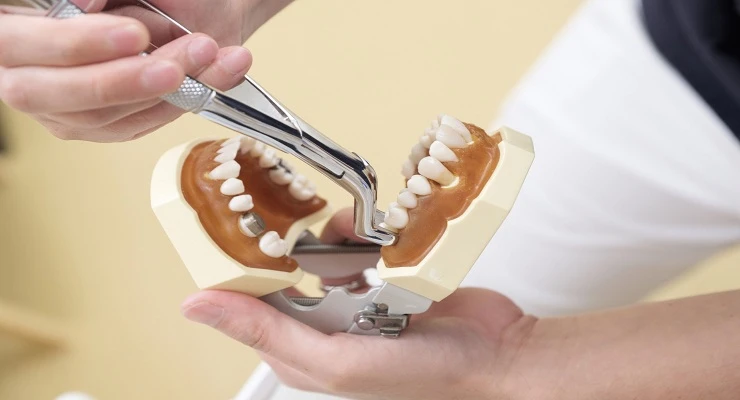

Tooth extraction is sometimes necessary to protect your overall oral health. Whether it’s due to severe decay, infection, crowding, or trauma, removing a damaged tooth can relieve pain and prevent further complications. However, many patients wonder how long recovery will take and what they can expect during the healing process. According to Dr. Sun Kim at Lilburn Smile Makers, understanding the stages of healing and available treatment options—such as root canal therapy—can help patients make informed decisions about their dental care.
What Happens After a Tooth Extraction?
After a tooth is removed, the body immediately begins the healing process. A blood clot forms in the empty socket, which is a crucial step in protecting the underlying bone and nerves. This clot acts as a natural barrier while the tissue begins to repair itself.
Most patients notice the first signs of healing within a few days. Mild swelling, tenderness, and slight bleeding are common immediately after the procedure. Following your dentist’s post-treatment instructions—such as avoiding smoking, using a straw, or touching the area—helps protect the clot and encourages proper healing.
Typical Healing Timeline
Although every patient heals differently, the general recovery timeline looks like this:
First 24 Hours
A blood clot forms in the extraction site. Minor bleeding and swelling are normal. Patients should rest, keep the area clean, and avoid strenuous activities.
2–3 Days After Extraction
Swelling and discomfort usually begin to decrease. Many patients feel significantly better during this stage and can gradually return to their normal routine.
1–2 Weeks
The gum tissue typically closes over the tooth extraction site. Most of the initial healing is complete, and tenderness continues to fade.
3–4 Weeks
The socket continues to fill with new tissue, and the area becomes stronger. At this stage, many patients feel fully recovered from the procedure.
Several Months
The jawbone beneath the extraction site continues remodeling and strengthening over time, especially if the patient plans to replace the missing tooth with an implant or bridge.
Tips to Promote Faster Healing
Dr. Kim emphasizes that proper aftercare plays a major role in recovery. Patients at Lilburn Smile Makers are encouraged to follow these simple guidelines:
- Bite gently on the gauze pad to help stop bleeding.
- Apply a cold compress during the first 24 hours to reduce swelling.
- Eat soft foods such as yogurt, soup, mashed potatoes, or smoothies.
- Avoid smoking or drinking through straws for several days.
- Keep the area clean by gently rinsing with saltwater after the first day.
Following these instructions helps minimize complications like dry socket, a painful condition that occurs if the blood clot becomes dislodged.
When Extraction May Not Be Necessary
While tooth extraction can sometimes be the best option, Dr. Kim explains that dentists always try to save the natural tooth whenever possible. One of the most effective ways to preserve a severely infected or damaged tooth is root canal therapy.
How Root Canal Treatment Can Save Your Tooth
A root canal is a restorative procedure that removes infected pulp from inside the tooth while preserving its outer structure. The dentist carefully cleans and disinfects the inner canals before sealing them and placing a protective restoration, often a dental crown.
By eliminating infection while keeping the natural tooth intact, root canal therapy offers several benefits:
- Preserves your natural smile
- Maintains normal chewing function
- Prevents neighboring teeth from shifting
- Avoids the need for extraction and replacement
Many patients are surprised to learn that modern root canal procedures are comfortable and highly effective. With advanced techniques and anesthesia, the treatment often feels similar to receiving a routine dental filling.
Extraction vs. Root Canal: Making the Right Choice
At Lilburn Smile Makers, Dr. Sun Kim carefully evaluates each patient’s situation before recommending treatment. If the tooth can still be saved, a root canal is often the preferred option because it protects the natural tooth structure and maintains long-term oral health.
However, if the tooth is severely fractured, decayed beyond repair, or causing serious infection, extraction may be the safest choice. In such cases, Dr. Kim will discuss tooth replacement options such as dental implants, bridges, or dentures to restore the patient’s smile and function.
Compassionate Dental Care at Lilburn Smile Makers
Dental procedures can feel intimidating, but the team at Lilburn Smile Makers is committed to making every visit comfortable and stress-free. Dr. Sun Kim and the staff take time to explain each treatment step, answer patient questions, and provide personalized care designed to protect long-term oral health.
Whether you need an extraction, a root canal, or a preventive dental checkup, early treatment is key to avoiding more complex problems later.
If you’re experiencing tooth pain or suspect you may need treatment, scheduling an evaluation with Lilburn Smile Makers can help you explore the best solution for your smile and ensure a smooth path toward recovery.

























Sign in to leave a comment.