
Have you ever wondered how long Suboxone stays active in your body and keeps other opioids from working? If you’re in recovery or supporting someone who is, understanding how Suboxone blocks opiates can make a huge difference in staying safe and confident through treatment.
Let’s break it down together in simple terms so you know what to expect, how it works, and how to make the most of it during your recovery journey.
Understanding What Suboxone Does
Suboxone is a prescription medication that combines buprenorphine and naloxone. Buprenorphine helps reduce cravings and withdrawal symptoms, while naloxone prevents misuse by blocking the effects of opioids.
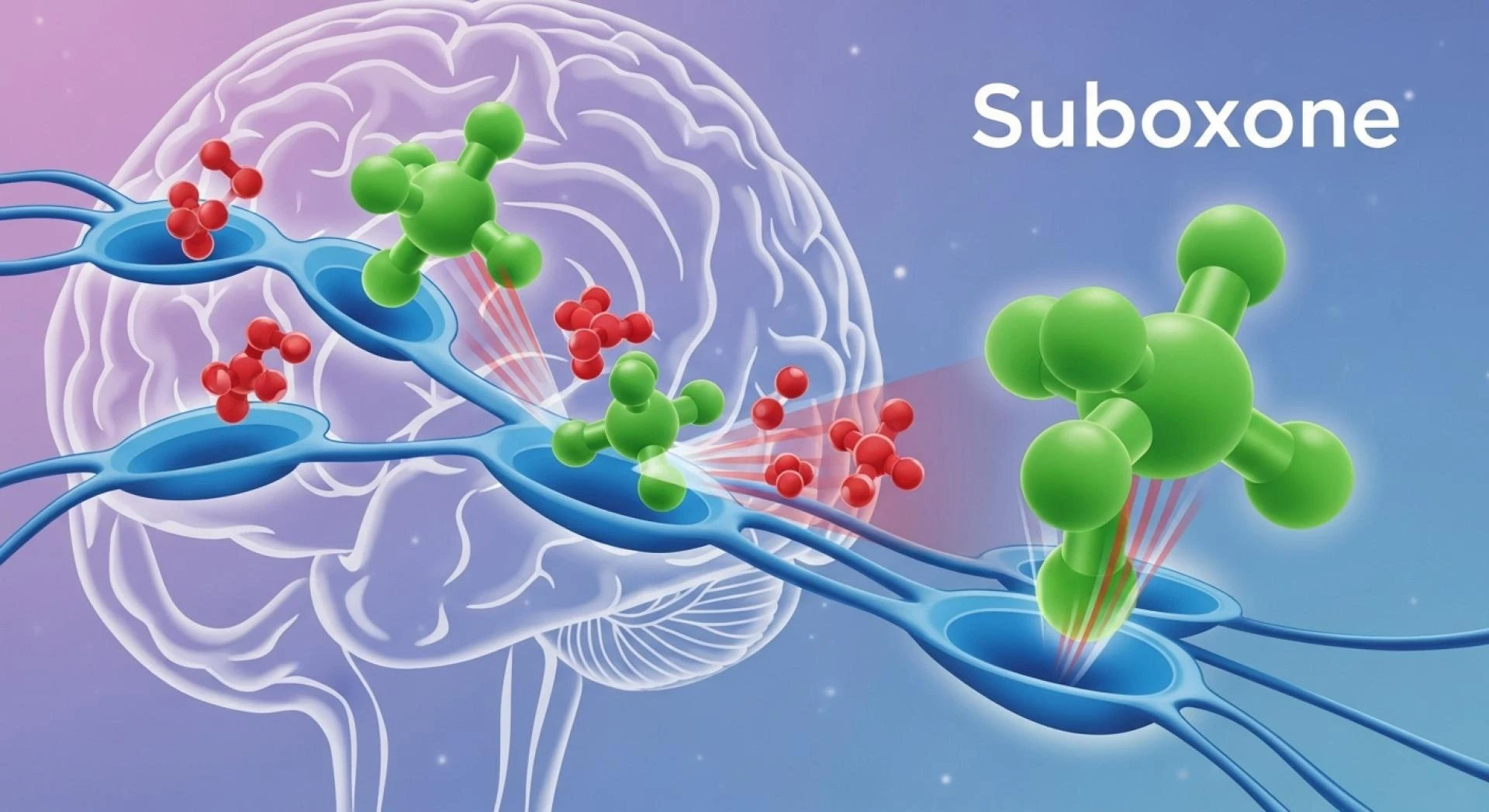
Essentially, it works like a shield. Once Suboxone is in your system, it occupies the same brain receptors that opioids target, but without giving the same intense high. This blocking effect is what helps people in recovery regain stability and focus on rebuilding their lives.
As one recovery counselor put it perfectly, “Suboxone doesn’t just block opiates it builds a bridge back to life.”
How Suboxone Blocks Opiates
The main ingredient, buprenorphine, is what makes Suboxone so effective. It’s a partial opioid agonist, meaning it activates opioid receptors just enough to relieve withdrawal but not enough to cause euphoria.
When you take Suboxone as prescribed, it binds tightly to these receptors. This prevents other opioids like heroin, oxycodone, or morphine from attaching and creating that “high.”
So, if someone tries to use opiates while Suboxone is active, they won’t feel the expected effects. This blocking property reduces the temptation to relapse, supporting long-term recovery.
How Long Does Suboxone Block Opiates
On average, Suboxone can block opioids for 24 to 72 hours, depending on factors like:
- Your dosage and frequency of use
- Metabolism and body composition
- Length of time you’ve been on Suboxone
- Overall health and hydration levels
Typical Duration
- A single dose can block opioids for at least one full day.
- For some people, the blocking effect can last up to three days or longer.
If you’re wondering how this might apply to your situation, talking with your healthcare provider is always the best move. Everyone’s body processes Suboxone differently, so having medical guidance ensures safety and effectiveness.
What You Might Feel While Suboxone Is Active
It’s normal to notice certain sensations while Suboxone is working. You might experience:
- Reduced cravings or urges to use
- A sense of emotional stability
- Fewer withdrawal symptoms
- Mild fatigue or lightheadedness in the first few days
If you’re new to treatment, it can take a little time for your body to adjust. But most people report that Suboxone helps them feel “normal” again, able to think clearly and function without the chaos of opioid dependence.
Factors That Influence How Long Suboxone Lasts
No two people experience Suboxone in the exact same way. The following factors can impact how long it stays in your system and continues blocking opiates:
1. Dosage and Frequency
Higher doses tend to last longer and provide extended blocking effects.
2. Metabolism
People with faster metabolisms might process Suboxone more quickly, shortening its duration.
3. Body Composition
Those with more body fat may store buprenorphine longer, extending the blocking period.
4. Duration of Treatment
Long-term users often experience a more stable, consistent blocking effect.
5. Other Medications
Some prescriptions can speed up or slow down how Suboxone is broken down in your body.
Staying Consistent in Your Treatment Plan
The key to getting the most benefit from Suboxone is consistency. Skipping doses or trying to “test” its limits can disrupt your progress and put you at risk for withdrawal or relapse.
If you’re looking for guidance or want to learn more about how Suboxone works in a structured recovery program, you can explore how long Suboxone blocks opiates through ChoicePoint. Their professional team provides tailored medication-assisted treatment that helps you stay on track safely and confidently.
The Science Behind Suboxone’s Blocking Power
Suboxone’s unique formulation is backed by years of research in addiction medicine. According to the National Institute on Drug Abuse (NIDA), medications like Suboxone are among the most effective tools for treating opioid use disorder, especially when combined with counseling and behavioral therapy.
(Source: nida.nih.gov)
That’s because it not only manages withdrawal but also helps retrain your brain to function without relying on drugs for stability or relief.
What to Expect Long Term
As you continue Suboxone treatment, your provider may adjust your dosage based on how your body responds. Over time, some people transition to lower doses or even taper off completely under supervision.
During this process, it’s normal to have questions about cravings, emotions, or physical changes. Keep communicating openly with your provider; they're your partner in recovery.
Remember, Suboxone is not about replacing one substance with another. It’s a medically guided step toward a healthier, more balanced life.
Final Thoughts
Suboxone’s ability to block opiates for up to several days is one of the reasons it’s a cornerstone of successful medication-assisted treatment. It offers you the time, clarity, and control you need to focus on rebuilding your life without the constant fear of relapse.
Recovery is not about perfection it’s about progress. As one recovery advocate said, “The smallest step in the right direction can end up being the biggest step of your life.”
By understanding how Suboxone works and staying committed to your treatment plan, you’re already taking one of the most powerful steps toward long-term healing.






























Sign in to leave a comment.