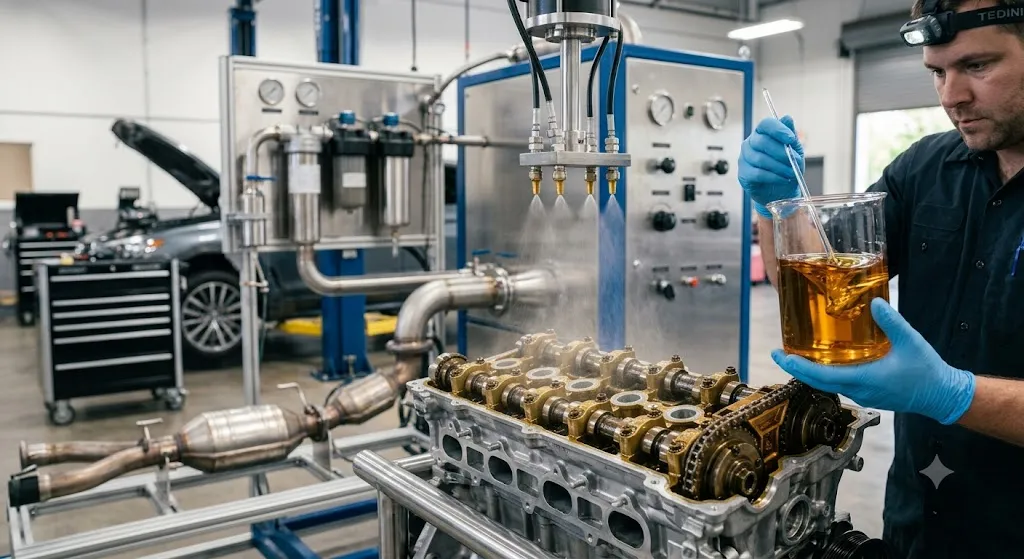

Modern vehicles are cleaner, more fuel-efficient, and more technologically advanced than ever before. While engines have evolved significantly, many people overlook another factor that plays a vital role in reducing emissions—lubricants. More specifically, the additive packages for lubricants found in high-quality engine oils have become essential in helping vehicles meet increasingly strict environmental regulations.
Whether you're driving through the busy streets of Dubai or operating commercial vehicles across the UAE, today's engines rely on advanced lubricant technology to perform efficiently while keeping emissions under control. Behind every premium lubricant is a carefully engineered additive package designed to protect engine components and support cleaner operation.
What Are Additive Packages for Lubricants?
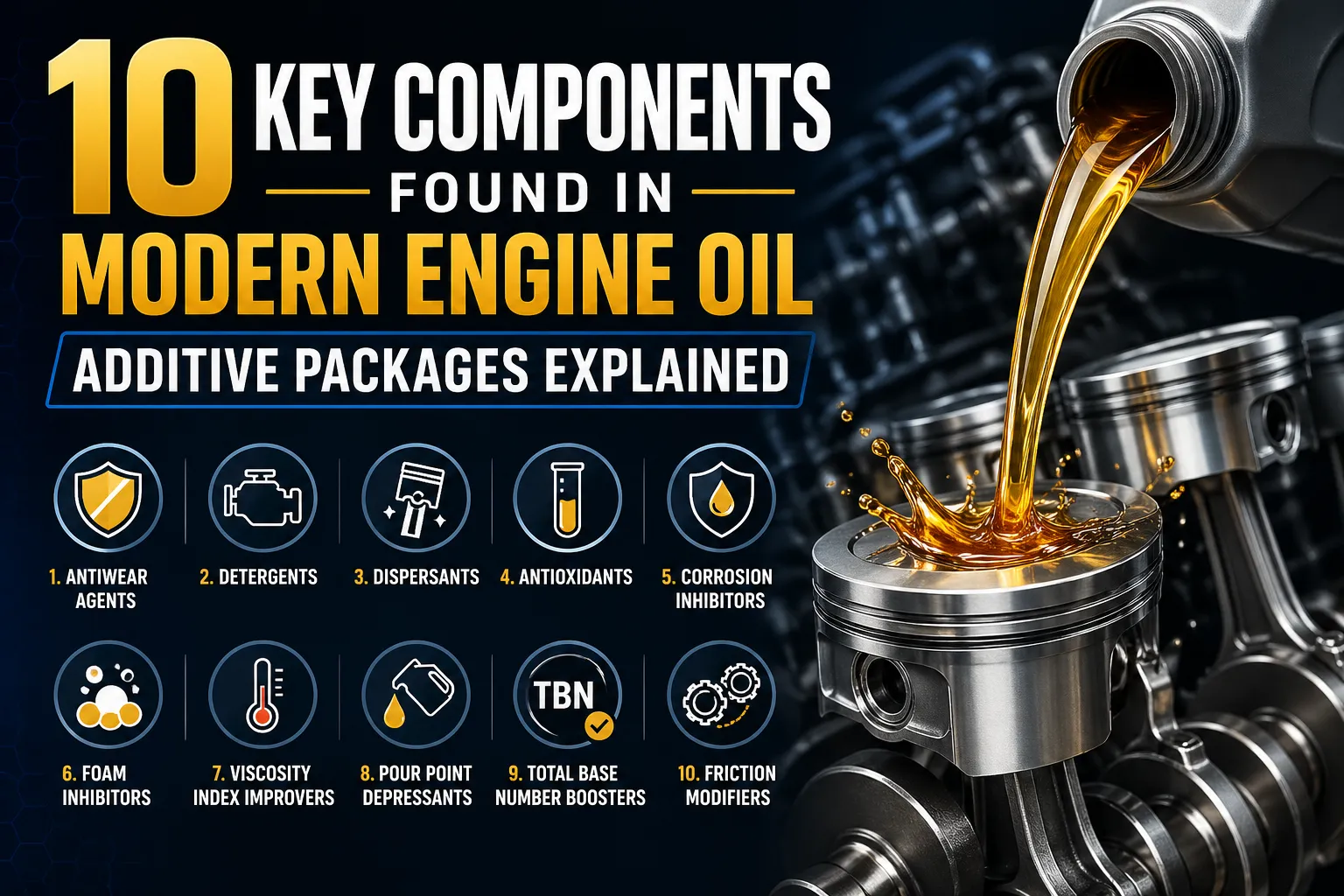
An additive package is a carefully formulated blend of chemical compounds added to base oil to improve its overall performance. While base oil provides the primary lubrication, additives give the lubricant the ability to perform under demanding operating conditions.
A typical additive packages for lubricants formulation may include:
- Detergents
- Dispersants
- Anti-wear additives
- Antioxidants
- Friction modifiers
- Corrosion inhibitors
- Foam suppressants
- Viscosity modifiers
Each component serves a unique purpose, but together they help engines operate more efficiently while supporting compliance with modern emissions standards.
Why Emissions Standards Continue to Evolve
Governments worldwide have introduced increasingly strict emission regulations to reduce air pollution and improve environmental sustainability. These standards aim to lower harmful exhaust gases such as:
- Carbon monoxide (CO)
- Nitrogen oxides (NOx)
- Hydrocarbons (HC)
- Particulate matter (PM)
Modern engines now use sophisticated after-treatment systems like catalytic converters, diesel particulate filters (DPFs), and gasoline particulate filters (GPFs). These components require lubricants that provide excellent protection without negatively affecting emission control equipment.
This is where advanced additive technology becomes especially important.
How Lubricant Additive Packages Support Cleaner Emissions
Keeping Engines Cleaner
Combustion naturally creates soot, sludge, and deposits that can reduce engine efficiency over time.
Detergents and dispersants within lubricant additive packages help keep contaminants suspended in the oil until the next oil change. Cleaner engines burn fuel more efficiently, contributing to lower exhaust emissions and improved overall performance.
Reducing Engine Wear
As engine components wear, efficiency decreases and fuel consumption often increases.
Anti-wear additives create a protective barrier between moving metal parts, reducing friction and minimising component wear. Well-protected engines maintain tighter tolerances, allowing combustion to remain more efficient throughout the engine's service life.
Improving Fuel Economy
Lower internal friction means the engine requires less energy to operate.
Friction modifiers reduce resistance between moving components, helping improve fuel efficiency. Even small gains in fuel economy can contribute to lower carbon dioxide (CO₂) emissions over thousands of kilometres.
For fleet operators across the UAE, these improvements can also translate into reduced operating costs.
Protecting Emission Control Systems
Modern emission control devices are highly sensitive to lubricant chemistry.
Excessive levels of sulphated ash, phosphorus, and sulphur can gradually reduce the effectiveness of catalytic converters and diesel particulate filters.
Today's low-SAPS (Sulphated Ash, Phosphorus, and Sulphur) additive packages are specifically formulated to protect these systems while still delivering excellent engine protection.
This balance has become one of the most important achievements in modern lubricant development.
Why Heat Stability Matters in the UAE
Vehicles operating in the UAE experience prolonged exposure to high ambient temperatures, particularly during summer months.
Extreme heat accelerates oil oxidation, which can cause lubricants to thicken, form deposits, and lose their protective properties.
Antioxidants within premium additive packages for lubricants help resist oxidation, allowing the lubricant to maintain stable performance even during demanding operating conditions.
This supports cleaner engine operation while extending lubricant service life according to manufacturer recommendations.
The Importance of Balanced Formulations
Effective lubricant performance isn't achieved by simply adding more chemicals.
Every additive must work together without interfering with the others. Lubricant manufacturers spend years developing balanced formulations through laboratory research, engine testing, and field evaluations.
This careful balance ensures the lubricant protects engine components, maintains cleanliness, supports emission control systems, and performs consistently across different driving conditions.
That's why selecting engine oils from trusted manufacturers is always preferable to relying on aftermarket additive products.
Choosing the Right Lubricant
When selecting engine oil, it's important to look beyond viscosity alone.
Choose products that meet internationally recognised specifications such as API, ACEA, or the vehicle manufacturer's recommended approvals. These certifications indicate that the lubricant has been tested for engine protection, fuel economy, and compatibility with modern emission control technologies.
Working with experienced lubricant suppliers can also help ensure you're using genuine products that meet your vehicle's specific requirements.
Final Thoughts
As vehicle technology continues to advance, lubricants have become much more than simple oils. Carefully engineered additive packages for lubricants now play a crucial role in reducing engine wear, improving fuel efficiency, protecting emission control systems, and helping vehicles comply with modern environmental regulations.
For drivers and fleet operators across the UAE, investing in high-quality lubricants formulated with advanced additive technology isn't just about extending engine life—it's also about supporting cleaner, more efficient vehicle operation.
If you'd like to learn more about premium lubricant formulations or need guidance selecting the right product for your vehicle or industrial equipment, contact a trusted lubricant specialist who can recommend solutions tailored to your operating conditions.
Frequently Asked Questions
What are additive packages for lubricants?
Additive packages are specialised blends of chemical compounds added to base oil to improve lubrication, reduce wear, control deposits, resist oxidation, and enhance overall engine performance.
How do lubricant additives help reduce emissions?
They help keep engines cleaner, minimise wear, improve fuel efficiency, and protect emission control systems such as catalytic converters and diesel particulate filters.
What are low-SAPS lubricants?
Low-SAPS lubricants contain reduced levels of sulphated ash, phosphorus, and sulphur, helping protect modern exhaust after-treatment systems while maintaining excellent engine protection.
Are premium lubricants worth the investment?
Yes. High-quality lubricants with advanced additive technology provide better engine protection, improved efficiency, and enhanced compatibility with modern emission standards, helping reduce maintenance costs over the long term.


























Sign in to leave a comment.