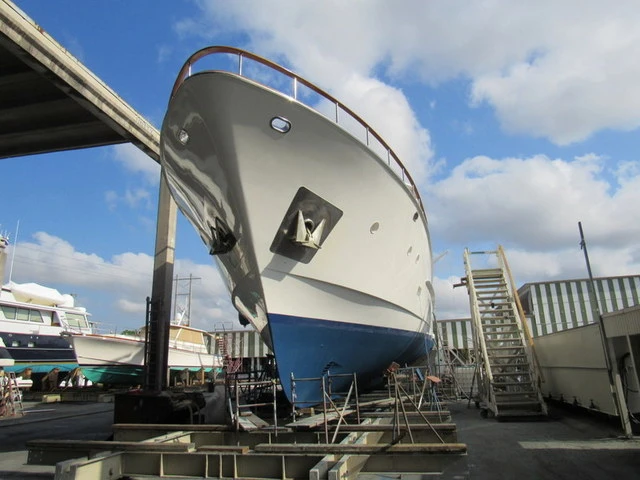

Boats are constantly subjected to stress from water, sun, and vibration. Over time, hidden damage can form inside the hull or deck. Many owners do not notice a problem until it grows worse. This is where marine surveyor thermal imaging plays an important role.
It helps detect moisture and core issues before they become costly repairs. If you plan to buy, sell, or maintain a vessel, understanding this process can save you time and money.
Why Core Delamination Is a Serious Concern
Core delamination happens when the bonded layers inside fiberglass structures separate. Most modern boats use a sandwich construction. The outer fiberglass skins cover a lightweight core. This design keeps the boat strong and light. When water enters through cracks or poorly sealed fittings, the core absorbs moisture. Over time, the bond weakens.
Soft spots may appear on decks. Structural strength may be reduced in hull sections. In severe cases, safety becomes a concern. Repairs often require removing damaged sections and replacing the core. These repairs can be expensive and time-consuming.
Visual checks alone do not always reveal internal separation. Tapping with a hammer can be helpful, but it depends on the individual's experience. Advanced inspection tools provide better accuracy. That is why marine thermal imaging has become a trusted method during surveys.
How Infrared Technology Detects Hidden Damage
Infrared cameras measure temperature differences on a surface. Wet or damaged core materials respond to heat differently from dry and solid areas. When sunlight warms a deck or hull, moisture retains heat at a different rate. The camera captures this variation as a thermal pattern.
Surveyors scan large sections of the vessel. They focus on decks, transoms, and hull sides. The camera highlights suspicious areas that may need closer inspection. These images give a clear visual record of temperature anomalies.
The process does not damage the boat. It is non-invasive and quick. Surveyors combine thermal data with moisture meter readings and physical inspection. This approach improves accuracy. Owners receive better information before making decisions.
Marine thermal imaging also helps locate trapped moisture around fittings. Railings, hatches, and cleats are common entry points. Early detection prevents larger structural repairs later.
When Should You Request a Thermal Inspection
Many buyers request thermal scans during a pre-purchase survey. It gives them confidence in the vessel's condition. Sellers can also benefit. A clean report supports a fair asking price and builds trust.
Routine maintenance surveys are another good time to use this method. Boats stored in wet climates face a higher moisture risk. Older vessels with cored decks may also require periodic checks.
After repairs, infrared scans confirm that the problem area is dry and properly restored. Insurance claims may also require advanced inspection data. Thermal images provide documentation that supports findings.
Boat owners who plan upgrades should consider a scan as well. Installing new hardware without checking the surrounding core may trap moisture inside. A detailed inspection helps protect your investment.
What to Expect During the Survey Process
The surveyor begins with a visual assessment. They note visible cracks, stains, or surface changes. Next, they perform a thermal scan during suitable weather conditions. Clear temperature contrast improves results.
Images are recorded and reviewed carefully. Areas with unusual heat patterns receive closer evaluation. The surveyor may tap test or use a moisture meter to confirm findings. This layered method increases reliability.
You receive a detailed report with images and explanations. The report outlines problem areas and recommends next steps. It does not rely on guesswork. It provides evidence-based results.
Marine thermal imaging does not replace experience. Instead, it enhances it. Skilled professionals interpret the data and separate false readings from real concerns. This combination delivers accurate assessments.
The Bottom Line
Hidden moisture and core separation can reduce a vessel's value and safety. Early detection makes a difference. Infrared inspection provides clear insight without damaging the boat. It supports smart buying and responsible ownership.
If you want a thorough evaluation, choose a survey that includes advanced imaging methods. A detailed inspection gives peace of mind and protects your investment. Professional marine surveyor thermal imaging offers dependable results and clear reporting. It helps you move forward with confidence and avoid unexpected repair costs.


















Sign in to leave a comment.