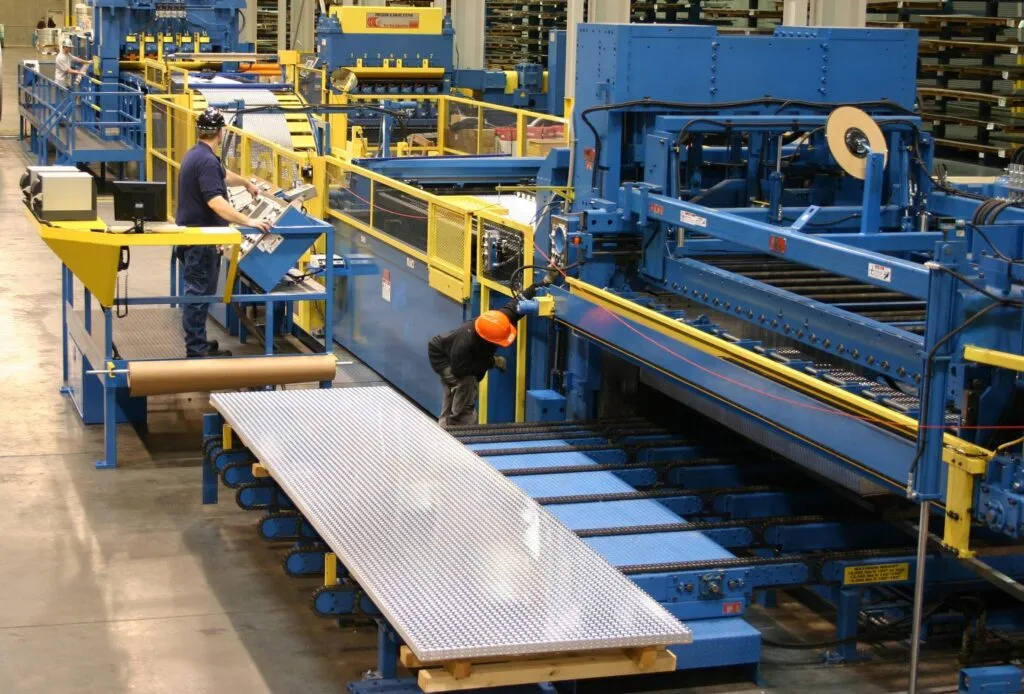

Efficient metal manufacturing depends on accurate material preparation, consistent processing, and reliable production flow. Medium gauge blanking lines provide a controlled method for converting coil material into individual blanks while maintaining dimensional accuracy and production consistency. These systems can coordinate feeding, straightening, cutting, conveying, and stacking operations to reduce repetitive manual work. Medium gauge materials require equipment that balances cutting strength with precise material control. Properly configured blanking equipment can help manufacturers improve throughput, reduce waste, support downstream forming, and maintain dependable product quality across a variety of industrial manufacturing applications.
Understanding Medium Gauge Blanking
Processing Medium Thickness Materials
Medium gauge metal occupies an important range between lighter and heavier material applications. Processing this material requires sufficient cutting capacity while maintaining accurate feeding and positioning. Blanking equipment must handle the material consistently without creating unnecessary deformation or dimensional variation. Proper machine configuration depends on material thickness, width, strength, and finished blank specifications. Matching the equipment to these characteristics helps manufacturers establish reliable processing conditions and maintain consistent production results.
Supporting Continuous Material Processing
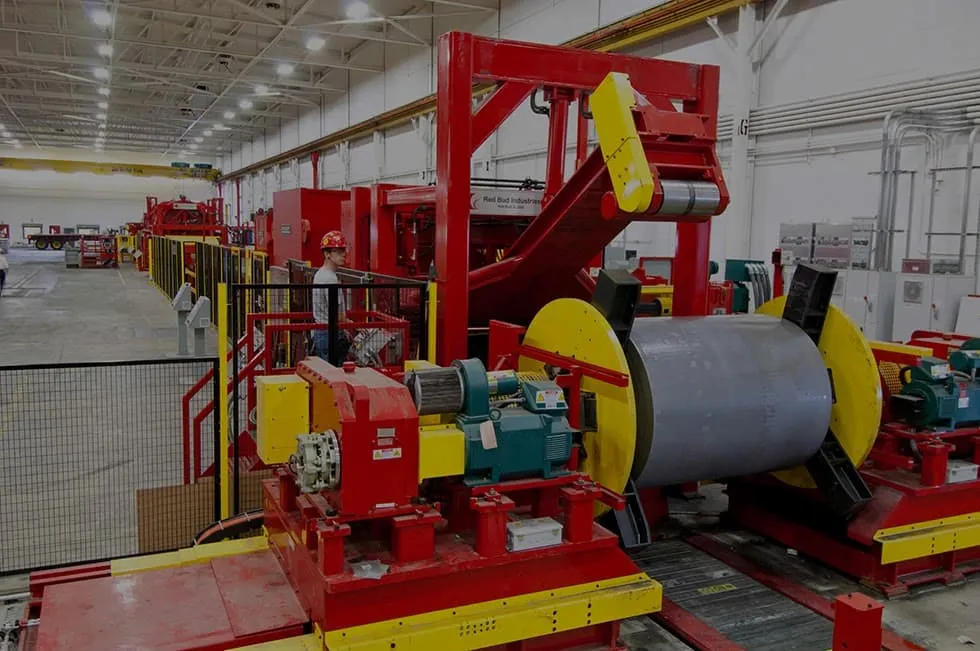
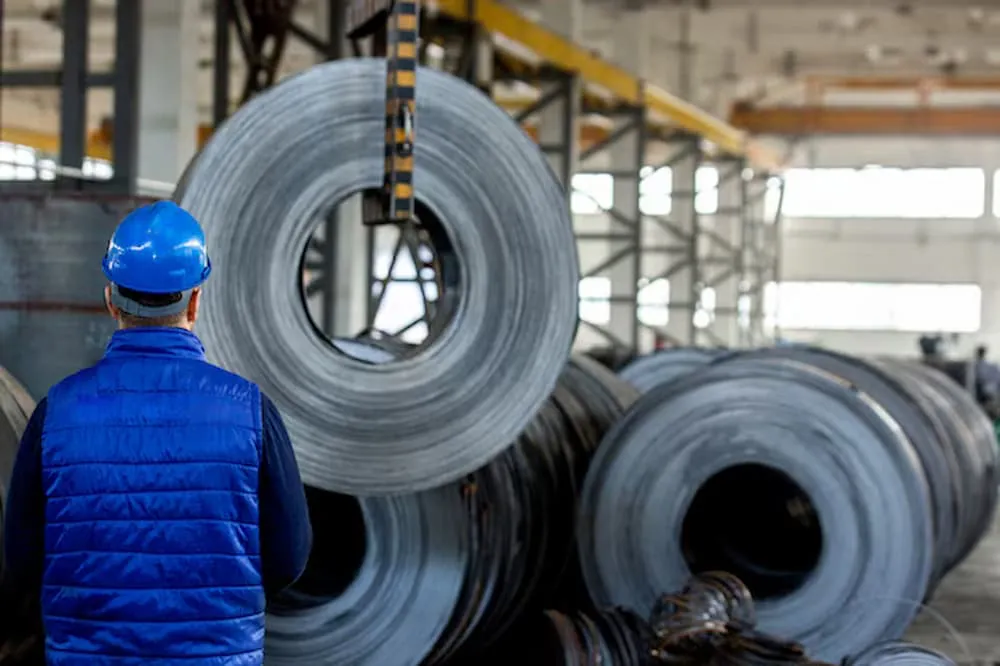
Blanking lines can process metal from coils and convert continuous material into individual blanks. This eliminates the need to manually prepare every sheet before production. The coil is unwound, straightened, positioned, and cut according to established requirements. Continuous processing can reduce interruptions and support higher production volumes. When the equipment is properly synchronized, each stage works together to maintain steady material movement and consistent blank production.
Improving Production Efficiency
Reducing Manual Handling
Traditional material preparation can involve repeated lifting, positioning, measuring, and cutting. Automated blanking equipment can reduce many of these repetitive activities by coordinating material movement throughout the production line. Operators can focus on monitoring equipment, checking quality, and managing production settings. Less manual handling can improve workflow efficiency and reduce unnecessary delays. This allows manufacturers to process greater quantities of material while using labor resources more effectively.
Supporting Faster Production Cycles
Blanking lines can be designed to maintain steady production cycles when material requirements and equipment capacity are properly matched. Automated feeding and cutting allow manufacturers to process continuous material without repeatedly stopping for manual repositioning. Faster cycles can improve output while maintaining consistent blank dimensions. Actual production speed depends on material properties and machine configuration, but coordinated processing can provide significant efficiency advantages for medium gauge applications.
Improving Material Accuracy
Maintaining Consistent Blank Dimensions
Consistent dimensions are essential when blanks will move into stamping, forming, bending, or assembly operations. Automated feeding systems can control the distance material travels before each cut. Accurate positioning helps produce blanks with repeatable length and width. Consistent dimensions reduce downstream adjustments and support reliable component production. Regular quality checks can verify that finished blanks remain within established specifications throughout the production run.
Supporting Accurate Alignment
Material must remain properly aligned as it passes through the blanking line. Misalignment can affect cutting accuracy and create variations between finished blanks. Guides, rollers, and feeding components help maintain the correct material path. Regular inspection of these components can prevent alignment problems from affecting production. Stable material positioning supports accurate cutting and helps reduce unnecessary scrap caused by incorrectly formed blanks.
Improving Material Utilization
Reducing Production Waste
Efficient material utilization is important because metal coils represent a significant raw material investment. Accurate blanking helps manufacturers produce required dimensions while minimizing unnecessary trim and incorrect cuts. Production planning can determine suitable blank layouts and cutting sequences before processing begins. Better planning combined with accurate equipment control can improve material yield. Reducing waste supports lower production costs and more efficient use of available resources.
Optimizing Coil Usage
Manufacturers can evaluate coil width, blank dimensions, and required quantities when planning production. Selecting suitable blank patterns allows more useful components to be produced from each coil. Accurate feeding and cutting then help execute the planned pattern consistently. Better coil utilization can reduce leftover material and improve overall production economics. Efficient planning also helps manufacturers coordinate raw material inventory with scheduled production requirements.
Supporting Automated Operations
Coordinating Line Functions
Modern blanking systems can integrate several functions through automated controls. Unwinding, leveling, feeding, cutting, conveying, and stacking can operate as part of a coordinated production sequence. Automation reduces the need for frequent manual adjustments and supports repeatable processing. Operators can monitor the system while maintaining control over production settings. Coordinated automation helps manufacturers improve output without sacrificing material control.
Improving Production Monitoring
Monitoring systems can provide information about equipment performance and material movement. Operators can use this information to identify irregular feeding, cutting problems, or other conditions that may affect production. Early detection allows corrective action before large quantities of material are affected. Monitoring also helps maintenance teams identify developing equipment problems. Better production visibility supports efficient decision making and improved process control.
Supporting Downstream Manufacturing
Preparing Blanks for Stamping
Stamped components often require blanks with consistent dimensions and predictable material characteristics. Accurate blanking provides a reliable starting point for stamping operations. Properly sized blanks can improve positioning inside forming equipment and reduce adjustment requirements. Consistent blank preparation can also help maintain finished component dimensions. This makes efficient blanking an important part of a broader stamping production process.
Supporting Forming and Fabrication
Medium gauge blanks can be used in forming, bending, fabrication, and assembly applications. Reliable blank dimensions help downstream equipment operate under predictable conditions. When material preparation is inconsistent, forming processes may require additional adjustments or produce variable results. Accurate blanking reduces these issues by providing stable incoming material. Better preparation supports smoother production throughout later manufacturing stages.
Choosing Suitable Blanking Equipment
Evaluating Material Requirements
Equipment selection should begin with a clear understanding of the materials being processed. Important factors include material type, thickness, width, tensile strength, coil weight, and surface characteristics. Finished blank dimensions and required production speeds should also be considered. These factors determine the required feeding, cutting, leveling, and handling capabilities. Careful evaluation helps manufacturers select equipment that can reliably meet expected production conditions.
Considering Production Volume
Production volume influences the required automation level and machine capacity. High volume facilities may benefit from continuous processing, automated stacking, and rapid feeding systems. Manufacturers producing varied products may place greater importance on flexible setup and quick changeovers. Future production growth should also be considered. Selecting appropriate capacity helps prevent bottlenecks and ensures that equipment remains useful as production requirements change.
Improving Material Handling
Managing Coil Loading
Coils can be heavy and difficult to move without suitable handling equipment. Coil loading systems help position material safely before it enters the blanking line. Proper handling reduces unnecessary movement and supports stable material feeding. Handling equipment should match coil weight and dimensions. Efficient loading procedures help minimize setup time and provide a controlled starting point for continuous processing.
Supporting Smooth Material Movement
Material must travel consistently through each stage of the blanking process. Uneven movement can affect cutting accuracy and create surface or dimensional problems. Rollers, guides, straighteners, and feeding systems work together to maintain stable movement. Regular maintenance helps these components perform effectively. Smooth material flow supports consistent production and reduces interruptions caused by feeding difficulties.
Improving Leveling Performance
Correcting Material Shape
Coiled material may contain shape variations that affect blanking accuracy. Leveling equipment can help reduce unwanted curvature and improve material flatness before cutting. Flat material is easier to position accurately and can produce more consistent blanks. Proper leveling settings depend on material characteristics and thickness. Effective leveling provides a stable foundation for accurate feeding and cutting.
Supporting Consistent Flatness
Consistent flatness is valuable for downstream forming and assembly processes. Variations in material shape can affect how blanks sit within production equipment. Leveling helps establish more predictable material conditions before cutting. Operators should monitor the material and adjust settings when required. Maintaining suitable flatness supports consistent blank dimensions and improves downstream processing reliability.
Improving Quality Control
Inspecting Finished Blanks
Quality inspection helps manufacturers confirm that blanks meet required specifications. Dimensions such as length, width, squareness, and flatness may be checked according to application requirements. Regular inspections can identify variations early and allow operators to make adjustments. Consistent quality checks reduce the likelihood of defective blanks reaching downstream operations. Inspection procedures should be integrated into normal production routines.
Monitoring Edge Condition
Cutting quality can influence how blanks perform during later processing. Properly maintained cutting components help produce consistent edges and reduce unwanted deformation. Operators should monitor edge condition during production and inspect tooling regularly. If cutting performance changes, maintenance can be performed before the problem affects large quantities of material. Reliable edge quality supports consistent finished components.
Maintaining Blanking Line Performance
Inspecting Cutting Components
Cutting equipment experiences repeated mechanical forces during production. Over time, tooling can wear and affect blank dimensions or edge quality. Regular inspection helps identify wear before it becomes a significant production problem. Maintenance schedules should reflect material characteristics, production volume, and equipment requirements. Keeping cutting components in good condition supports reliable output and reduces unexpected downtime.
Maintaining Feeding Systems
Feeding systems must provide accurate and repeatable material movement. Rollers, sensors, guides, drives, and related components should be checked regularly. Wear or misalignment can affect feed length and produce inconsistent blanks. Preventive maintenance helps maintain accurate feeding and supports stable production. Reliable feeding performance is essential for achieving repeatable blank dimensions.
Improving Workplace Productivity
Supporting Operator Efficiency
Automation reduces repetitive handling tasks and allows operators to focus on process monitoring and quality control. Personnel can observe equipment performance, inspect finished blanks, and manage production settings. Proper training helps operators understand material characteristics and equipment controls. Skilled oversight remains important even in highly automated operations. Combining automation with experienced personnel can improve both productivity and reliability.
Organizing Finished Material
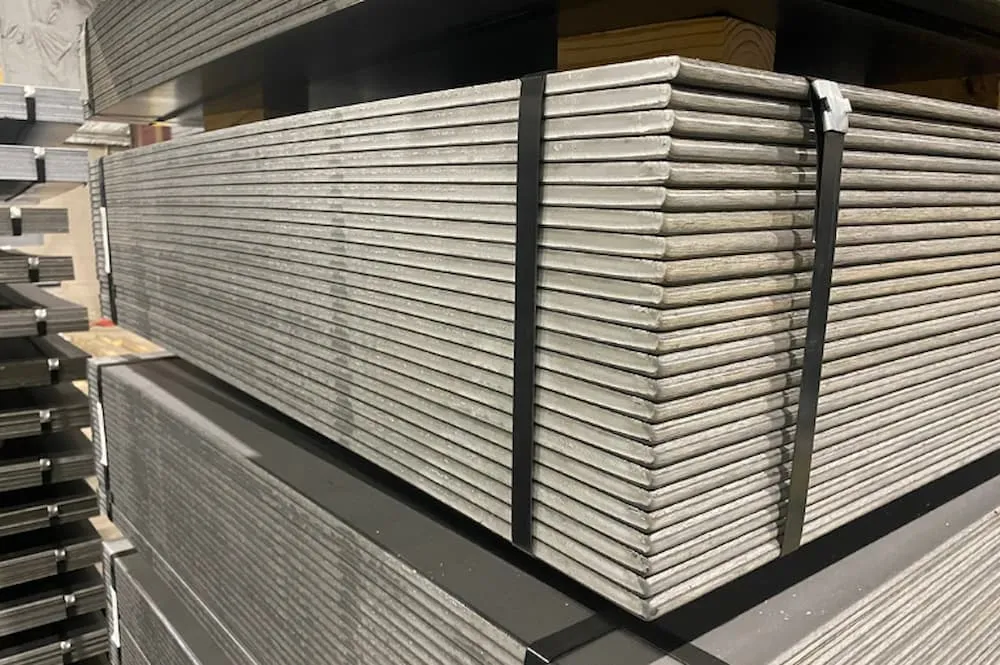
After cutting, blanks need to be collected and organized for storage or further processing. Automated stacking and conveying systems can reduce manual handling while keeping finished material organized. Proper stacking helps prevent damage and makes material easier to transport. Organized finished goods can also improve inventory control. Efficient handling after cutting completes the production workflow and prepares blanks for their next manufacturing stage.
Supporting Long Term Efficiency
Reducing Downtime
Unexpected equipment failures can disrupt production schedules and increase operating costs. Preventive maintenance helps identify developing issues before they cause major failures. Regular inspection of mechanical, electrical, cutting, feeding, and handling components supports dependable operation. Planned maintenance also allows repairs to be scheduled during suitable production periods. Reduced downtime improves equipment utilization and helps manufacturers maintain more predictable output.
Improving Process Repeatability
Repeatable production is important when manufacturers need large quantities of similar blanks. Stable equipment settings, consistent material quality, accurate feeding, and reliable cutting contribute to repeatability. Automated controls can help maintain established parameters between production runs. Consistent processes reduce variation and support more predictable finished product quality. Repeatability also makes production planning easier because output can be estimated more reliably.
Conclusion
Medium gauge blanking lines can support efficient production by providing accurate feeding, controlled leveling, precise cutting, automated material handling, and organized stacking. These systems can reduce manual work, improve material utilization, support consistent blank dimensions, and provide reliable material for stamping, forming, and fabrication operations. Manufacturers should evaluate material specifications, production volume, equipment capacity, automation requirements, and future needs when selecting a suitable system. Regular maintenance and quality inspection can further improve reliability and productivity. For specialized metal processing equipment and industry focused solutions, Red Bud Industries can support manufacturers seeking dependable and efficient blanking capabilities for medium gauge metal applications.




























Sign in to leave a comment.