

There are seasons in life where everything feels… loud.
Not on the outside. Life may look stable, even successful. But inside, there’s noise. Thoughts layered on top of thoughts. Emotions that don’t quite settle. A quiet sense that something is off, but you can’t name it clearly.
I’ve sat with people in those moments. Leaders, athletes, professionals. People who are capable, disciplined, and driven. Yet when they slow down for even a second, they realize they don’t fully understand what they’re feeling anymore.
That’s usually where our work begins.
Not with fixing anything. But with learning how to see clearly again.
As a metamorphosis coach, I’ve come to understand that emotional clarity isn’t something you achieve once and hold onto forever. It’s something you return to. Again and again. Especially when life starts pulling you in different directions.
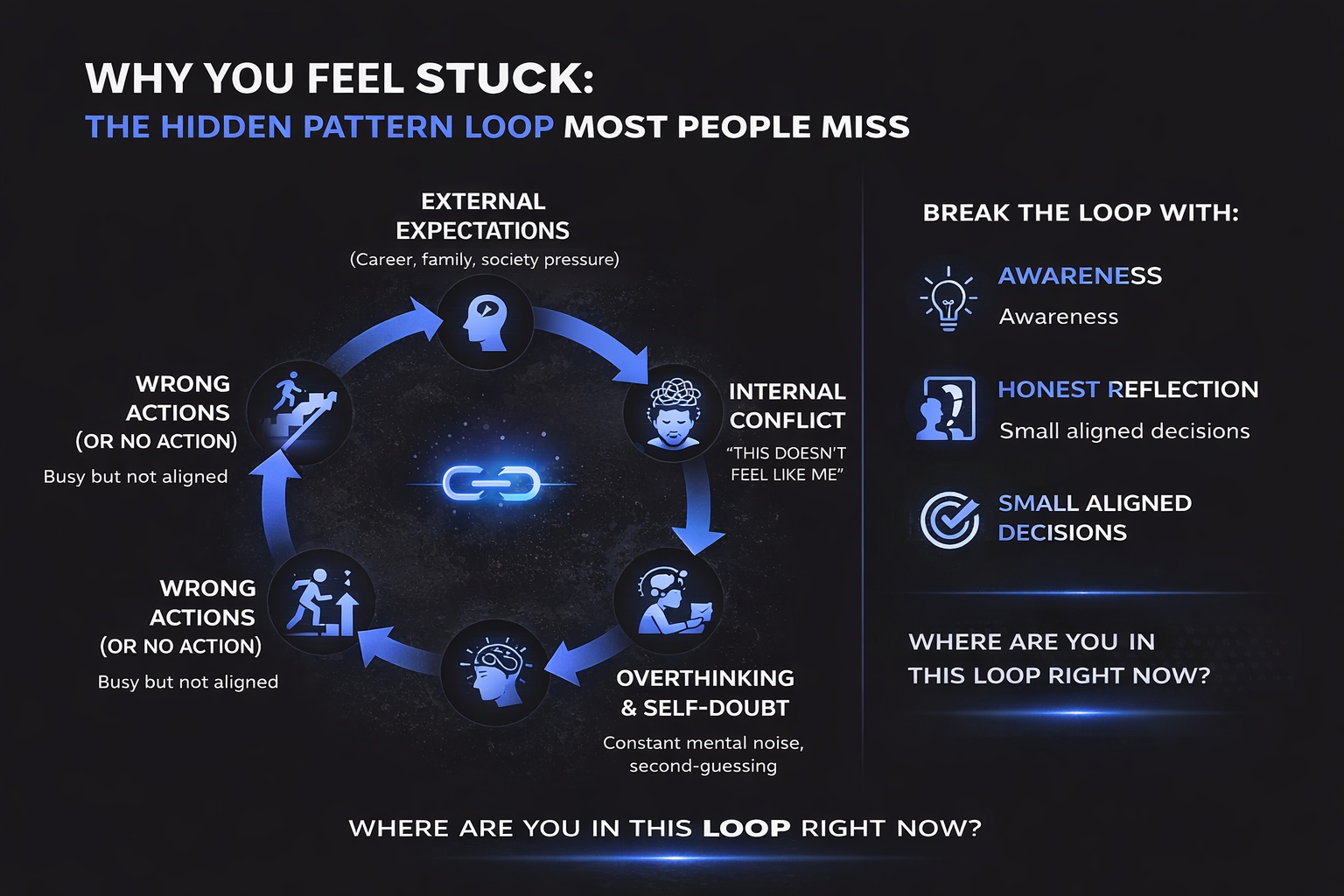
The Problem No One Talks About
Most people aren’t lacking intelligence or discipline.
They’re overwhelmed by internal conflict.
They want to move forward, but something holds them back. They set goals, but their energy feels scattered. They make decisions, then second-guess them later.
And when I ask them a simple question like, “What are you feeling right now?” there’s often a long pause.
Not because they don’t feel anything.
But because they’ve learned to disconnect from it.
We’ve been taught to prioritize logic, performance, and outcomes. Somewhere along the way, emotional awareness became secondary. Something to deal with later.
But “later” never really comes.
And without emotional clarity, even the best decisions start to feel heavy.
A Moment That Stayed With Me
Years ago, after competing in a demanding tournament on Réunion Island, I found myself needing distance from everything.
The matches had been intense. I had pushed through strong opponents, both physically and mentally. But after it ended, there was this strange emptiness. Not failure. Not success. Just… silence.
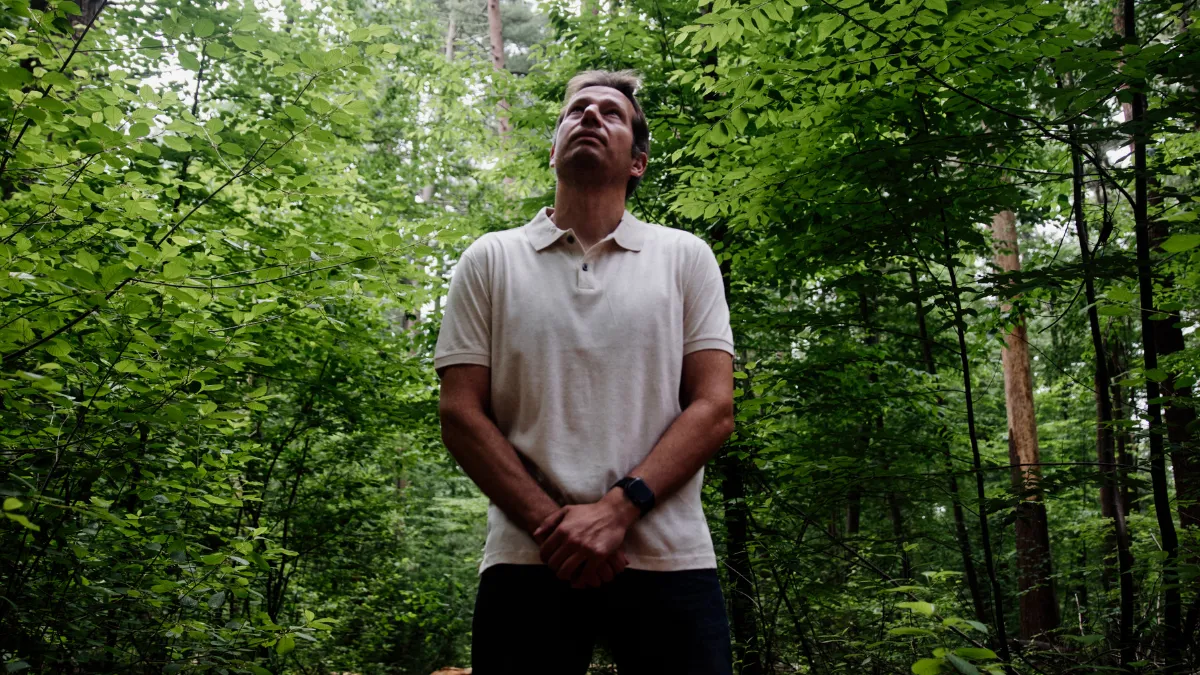
So I went into the mountains.
I started walking toward Piton des Neiges, not with a plan, just with a need to breathe differently.
At some point along the way, I came across a small community tucked into the mountains. A few families living in a way that felt completely removed from the world I was used to.
They didn’t have much in terms of modern convenience. But there was something else there.
A kind of emotional steadiness.
They welcomed me without hesitation. Shared what they had. Laughed easily. Spoke with a kind of presence that felt… grounded.
And what struck me most was this: they didn’t seem divided within themselves.
Their emotions weren’t hidden or complicated.
They were expressed, shared, and understood.
It made me realize how much of our confusion doesn’t come from what we feel, but from how disconnected we are from those feelings.
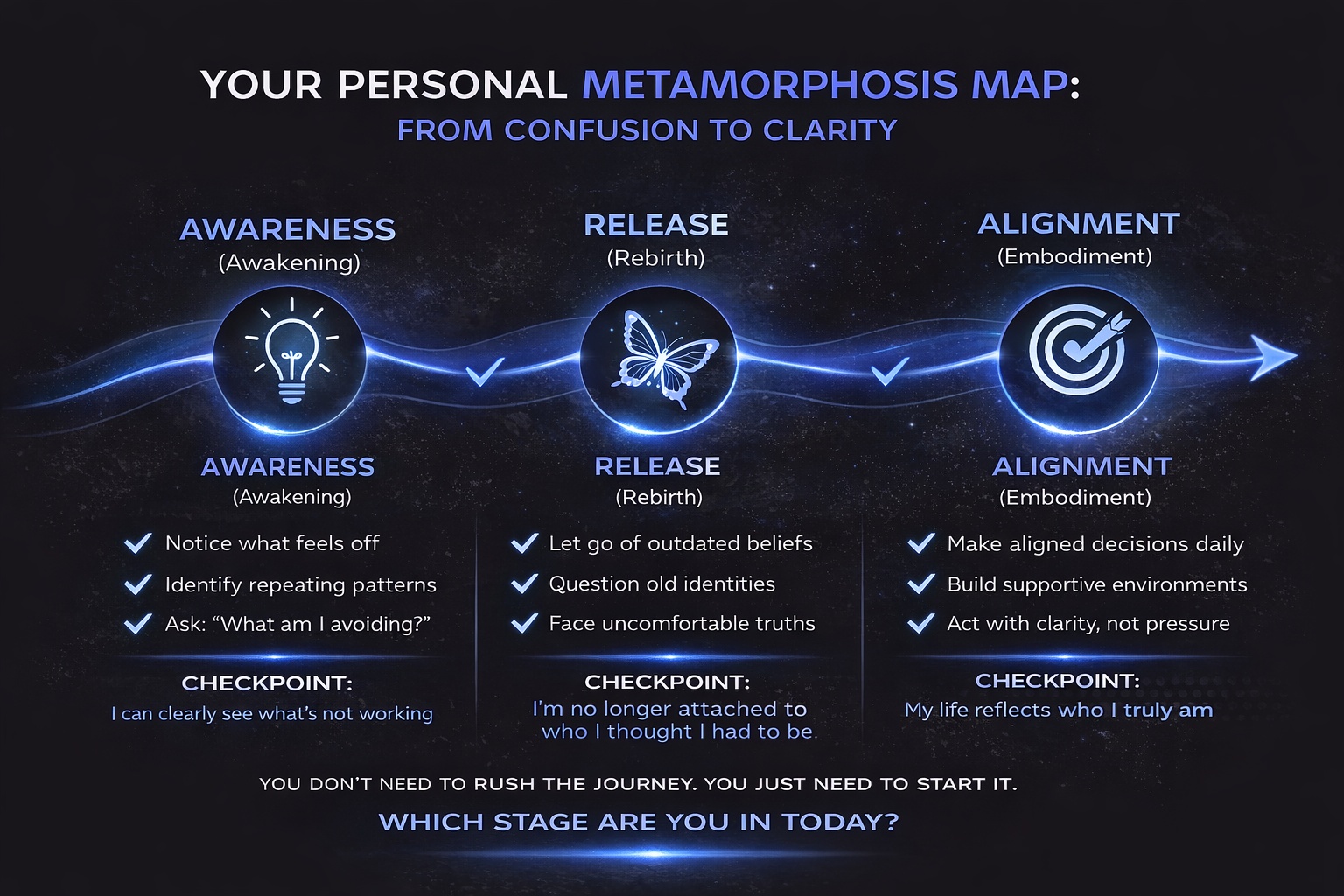
What Emotional Clarity Actually Means
Emotional clarity is not about always feeling calm or positive.
It’s about understanding what’s happening inside you without distortion.
It’s being able to say:
“I feel uncertain right now.”
“I’m reacting from fear, not intention.”
“I need space before I respond.”
Without judgment. Without rushing to fix it.
And this is where metamorphosis coaching becomes powerful.
Because instead of trying to control emotions, we start learning from them.
We slow down the process.
We observe patterns.
We begin to notice what triggers us, what grounds us, what pulls us away from ourselves.
This is also where behavioral coaching plays a role. Not in a clinical sense, but in a practical one. It helps you connect your emotional responses to the patterns that shape them.
Once you see the pattern, things begin to make sense.
And clarity follows.
Why Most People Stay Stuck
Here’s something I’ve noticed over and over again.
People don’t avoid emotions because they’re weak.
They avoid them because they don’t trust what will happen if they actually feel them.
So they stay busy. Distracted. Focused on outcomes.
But avoidance creates confusion.
You start reacting instead of responding. You lose track of what actually matters to you. And over time, you begin to feel disconnected, not just from others, but from yourself.
Emotional clarity requires a different kind of courage.
The willingness to pause.
To sit with discomfort.
To listen without immediately trying to solve.
What That Mountain Experience Taught Me
That time in the mountains didn’t give me answers.
It gave me perspective.
I saw people who lived with less, but felt more connected. Not just to each other, but to themselves.
And the lessons I took from that experience have stayed with me, shaping how I guide others through their own metamorphosis.
Connection over convenience
They didn’t wait for the “right time” to show kindness. They acted from presence, not preference.
Creating space for others
They made me feel welcome without effort. Emotional clarity often begins by making others feel safe enough to be themselves.
Shared purpose brings calm
When people move toward something together, there’s less internal conflict.
Patience changes everything
They understood that not everything needs to happen quickly to be meaningful.
Joy is intentional
They created moments of laughter, not because life was easy, but because it mattered.
Respect for wisdom
There was a natural exchange between generations. Listening wasn’t a skill. It was a way of life.
Nature as a reset
They didn’t need to escape stress. They lived in a way that didn’t constantly create it.
Balance between independence and support
They carried their responsibilities, but never alone.
Acceptance over control
They didn’t fight what they couldn’t change. And because of that, their energy felt lighter.
These aren’t just life lessons.
They are foundations for emotional clarity.
Practical Ways to Build Emotional Clarity
If you’re feeling mentally scattered or emotionally overwhelmed, here are a few grounded ways to begin:
1. Name what you feel without editing it
Don’t try to make it sound better. Just be honest with yourself.
2. Pause before reacting
Even a few seconds can shift how you respond.
3. Notice your patterns
When do you feel most triggered? When do you feel most grounded?
4. Spend time without constant input
No phone. No noise. Just space to think.
5. Reconnect with your body
Walk. Breathe. Move. Emotional clarity is not just mental, it’s physical too.
6. Let go of what you can’t control
This sounds simple, but it changes everything.
Two Reflections I Often Share
“Clarity doesn’t come from forcing answers. It comes from creating space where truth can surface on its own.”
“Metamorphosis is not about changing your emotions. It’s about finally understanding them.”
Why This Work Matters
We live in a world that rewards speed.
Quick decisions. Quick results. Quick responses.
But emotional clarity doesn’t work like that.
It requires patience. Awareness. A willingness to slow down in a way that most people resist.
And yet, when people begin to experience it, something shifts.
They stop overthinking every decision.
They communicate more honestly.
They lead, not from pressure, but from presence.
This is what I’ve seen through years of working as The Metamorphosis coach.
Not dramatic transformations.
But quiet, lasting ones.
The kind that change how you experience your life, not just how it looks from the outside.
A Final Thought to Sit With
If things feel unclear right now, it doesn’t mean you’re lost.
It might mean you’re finally starting to notice what’s been there all along.
You don’t need to rush to fix it.
Just start by listening.
Not to the noise, but to what’s underneath it.
That’s where your clarity is.
And if you stay with it long enough, that’s where your metamorphosis begins.
FAQs
What is emotional clarity in coaching?
Emotional clarity is the ability to understand and process your emotions without confusion or suppression. It helps you make decisions with more awareness and less internal conflict.
How does metamorphosis coaching help with emotional clarity?
Metamorphosis coaching focuses on self-awareness, emotional patterns, and mindset. It helps you reconnect with your emotions and understand what drives your reactions.
Is emotional clarity important for leadership?
Yes. Leaders with emotional clarity communicate better, make more grounded decisions, and create stronger relationships with their teams.
How long does it take to develop emotional clarity?
It’s not a fixed timeline. It’s an ongoing process. Some shifts happen quickly, others take time as you become more aware of your patterns.
Can I develop emotional clarity on my own?
Yes, but guidance can help you see patterns and blind spots more clearly, which can accelerate the process.


























Sign in to leave a comment.