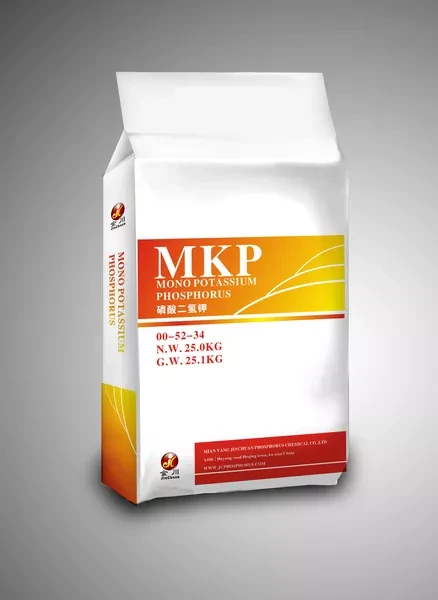
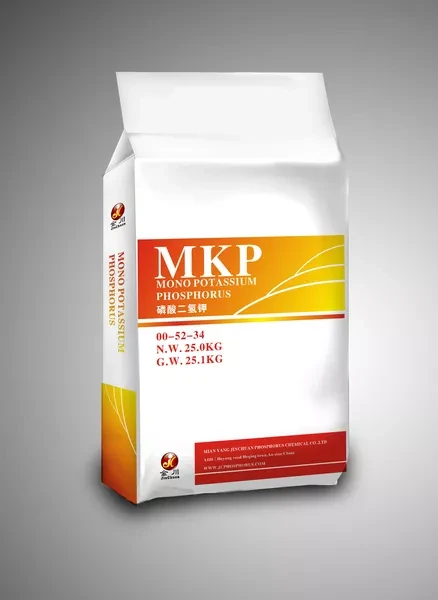
In modern agriculture, achieving higher yields and healthier crops depends heavily on balanced nutrition. Among the essential fertilizers used worldwide, monopotassium phosphate for plants has earned a strong reputation for delivering fast and visible results. At Mianyang Jinchuan Phosphorus, we focus on providing high-purity phosphate fertilizers that help farmers and growers meet the increasing demand for quality produce.
Monopotassium phosphate is a water-soluble fertilizer rich in phosphorus (P) and potassium (K), two nutrients that play a crucial role in plant metabolism. Phosphorus supports root development, energy transfer, and early plant vigor, while potassium regulates water balance, enzyme activation, and stress resistance. When combined in a readily available form, these elements create a powerful solution for boosting overall plant performance.
One of the main advantages of monopotassium phosphate for plants is its rapid absorption. Because it dissolves completely in water, it can be applied through foliar spraying, drip irrigation, or fertigation systems. This ensures that nutrients reach the root zone or leaf surface quickly, providing immediate support during critical growth stages such as flowering, fruit setting, and grain filling.
Another important benefit lies in improved root strength and nutrient uptake. Phosphorus encourages deeper and more extensive root systems, allowing plants to access moisture and minerals more efficiently. With stronger roots, crops can better withstand drought, temperature fluctuations, and transplant shock. At the same time, potassium enhances cell structure, improving stem strength and reducing lodging in cereals and tall crops.
The use of monopotassium phosphate for plants is also closely linked to better flowering and fruit quality. Adequate phosphorus stimulates bud formation and uniform flowering, while potassium enhances sugar movement and starch formation. As a result, growers often see larger fruits, brighter colors, and improved taste, which directly increases market value and customer satisfaction.
Disease resistance is another area where this fertilizer proves valuable. Potassium strengthens cell walls and regulates stomatal function, helping plants resist fungal infections and pest attacks. When crops are healthier, farmers can reduce their dependence on chemical pesticides, leading to more sustainable farming practices.
From a yield perspective, consistent application of monopotassium phosphate for plants supports balanced growth throughout the season. Crops develop evenly, mature on time, and produce higher harvest weights. This is especially important in high-value crops such as vegetables, fruits, and flowers, where uniformity and appearance are critical.
At Mianyang Jinchuan Phosphorus, our manufacturing processes ensure strict quality control and stable nutrient composition. By choosing reliable fertilizer sources, growers can maintain predictable results across different soil types and climatic conditions. Whether used in open fields, greenhouses, or hydroponic systems, this fertilizer adapts easily to modern cultivation methods.
In conclusion, monopotassium phosphate for plants is a proven tool for improving root development, enhancing flowering, strengthening disease resistance, and increasing final yield. With the expertise and product quality from Mianyang Jinchuan Phosphorus, growers can confidently invest in better nutrition and achieve sustainable, profitable crop production.


























Sign in to leave a comment.