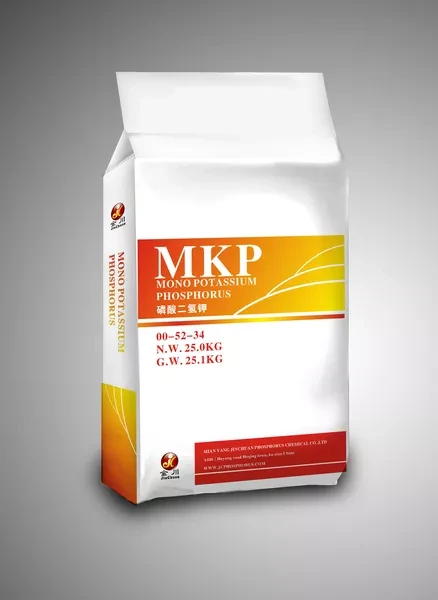

Modern agriculture faces growing pressure to produce more food with fewer resources while protecting soil health and the environment. Balanced plant nutrition plays a critical role in meeting these demands, and one input stands out for its efficiency and precision: monopotassium phosphate fertilizer. Trusted by growers worldwide, this advanced nutrient solution helps crops reach their genetic potential across diverse climates and cropping systems. Brands like Mianyang Jinchuan Phosphorus are contributing to this progress by supplying high-purity phosphate inputs to global agriculture.
What Is Monopotassium Phosphate and Why It Matters
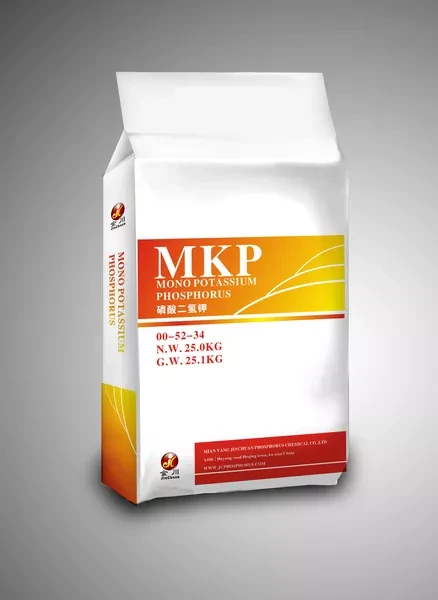
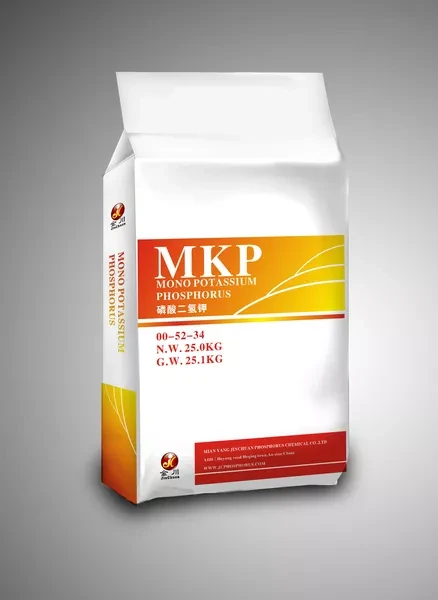
Monopotassium phosphate fertilizer (MKP) is a water-soluble source of two essential macronutrients—phosphorus (P) and potassium (K). Phosphorus supports strong root development, early plant vigor, and flowering, while potassium improves water regulation, enzyme activation, and overall stress tolerance. Because MKP dissolves completely, it delivers nutrients quickly and uniformly through fertigation and foliar feeding, making it ideal for modern, precision-based farming systems.
Key Benefits for Today’s Farmers
One of the biggest advantages of monopotassium phosphate fertilizer is its high nutrient efficiency. With minimal impurities and a neutral-to-slightly acidic reaction in solution, it improves nutrient uptake without harming soil structure. Farmers benefit from:
- Faster early growth: Strong root systems establish crops quickly, leading to better nutrient and water absorption.
- Improved flowering and fruit set: Phosphorus drives reproductive development, increasing yield potential.
- Enhanced stress resistance: Potassium helps plants cope with drought, salinity, and temperature fluctuations.
- Compatibility with fertigation: Perfect for drip irrigation and greenhouse systems where precise feeding matters.
Supporting Sustainable and Precision Agriculture
Sustainability in farming is not just about reducing inputs—it’s about using the right inputs at the right time. Monopotassium phosphate fertilizer fits seamlessly into precision agriculture by enabling targeted nutrition based on crop stage and soil conditions. This reduces waste, minimizes runoff, and improves nutrient-use efficiency. When applied correctly, MKP supports healthier soils and lower environmental impact compared to less soluble phosphate sources.
Crop Applications and Use Cases
From vegetables and fruits to field crops and ornamentals, MKP is widely used to support growth during critical stages such as root establishment, flowering, and fruit development. In high-value crops grown under controlled environments, monopotassium phosphate fertilizer ensures consistent quality, uniform sizing, and better shelf life. Its flexibility also makes it suitable for integrated nutrient programs alongside nitrogen and micronutrients.
Quality Inputs for Consistent Results
Not all fertilizers are created equal. High-purity production standards ensure predictable nutrient delivery and compatibility with modern irrigation equipment. With advanced manufacturing and quality control, Mianyang Jinchuan Phosphorus helps farmers access reliable phosphate solutions that meet the demands of intensive farming systems.
Conclusion
As modern farming evolves toward precision, sustainability, and higher productivity, choosing efficient nutrient sources becomes essential. Monopotassium phosphate fertilizer delivers fast-acting phosphorus and potassium in a highly usable form, supporting stronger crops, higher yields, and smarter resource use. For growers seeking dependable performance and long-term soil health, this fertilizer remains a cornerstone of contemporary nutrient management strategies.



























Sign in to leave a comment.