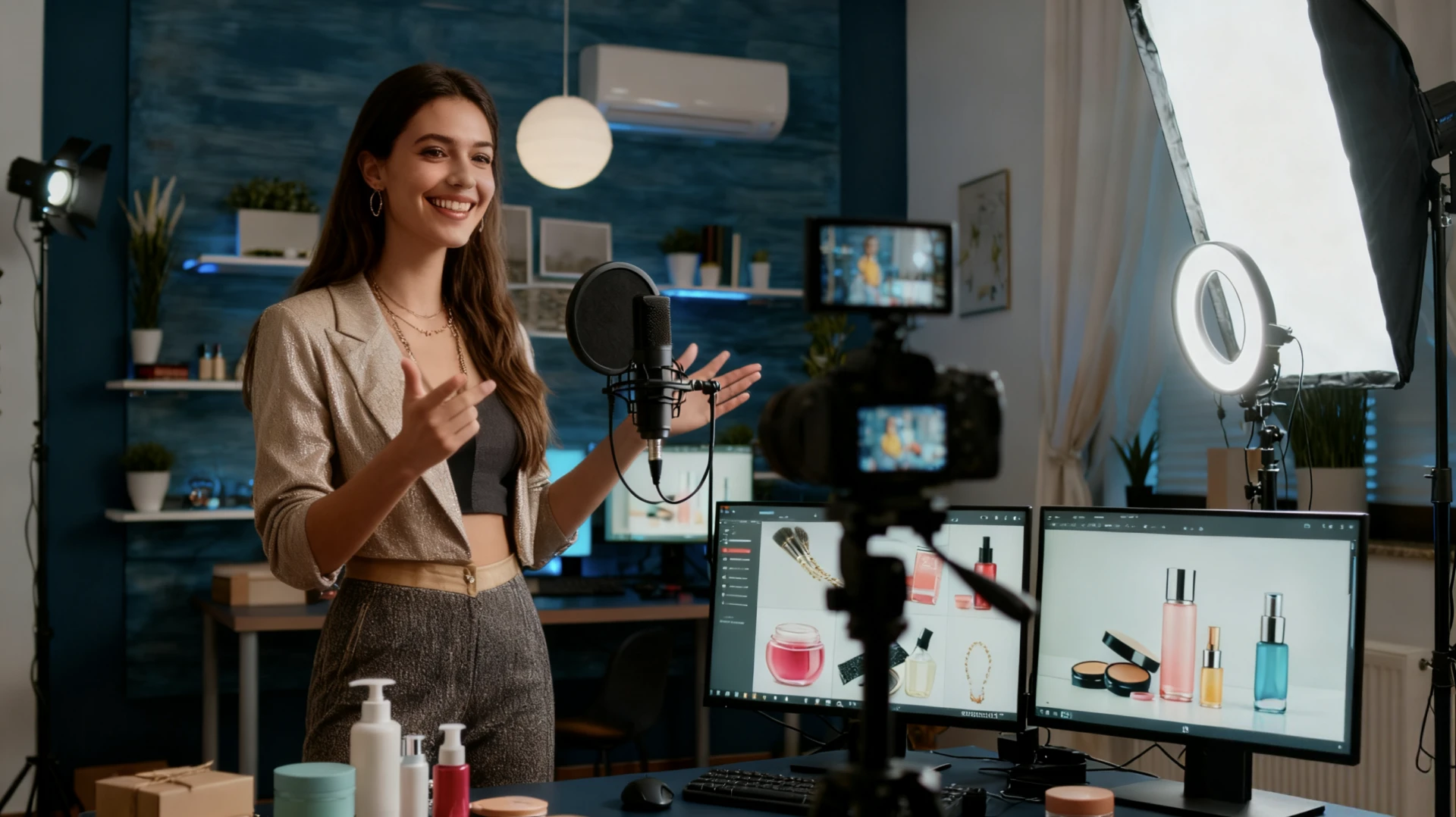

From the perspective of a senior brand executive, influencer marketing has evolved into a structured, budgeted, and performance-driven discipline. Yet one question continues to surface among founders, marketers, and even seasoned executives: how much does an influencer marketing campaign cost? The short answer is that costs vary widely. The long answer requires a deeper understanding of how influencer marketing actually works, what brands are paying for, and how campaign structure shapes investment levels.
Understanding Influencer Marketing as a Cost System
Influencer marketing is not a single expense but a system of interrelated costs. A campaign budget typically reflects decisions around influencer selection, content production, campaign duration, platform choice, and performance expectations. Unlike traditional advertising, where rates are standardized, influencer marketing costs are highly contextual and influenced by human creativity, audience trust, and platform dynamics.
Why Influencer Marketing Costs Are So Variable
The reason pricing differs so dramatically from one campaign to another is simple: influence is not a commodity. Each influencer brings a unique combination of audience size, engagement quality, credibility, and content style. As a result, two campaigns with similar goals can have vastly different budgets depending on execution choices.
Entry-Level Influencer Campaign Costs
Small-Scale Campaigns for Emerging Brands
For startups and small businesses, influencer marketing campaigns often begin with modest budgets. Entry-level campaigns can cost anywhere from a few hundred to several thousand dollars. These campaigns usually involve nano or micro-influencers who have smaller but highly engaged audiences.
At this level, brands are often testing the waters. The objective is not mass reach but insight. Campaigns focus on product seeding, short-form content, or single-post collaborations. Despite the lower spend, these campaigns can deliver strong returns due to authenticity and niche relevance.
What Brands Are Paying for at This Stage
Even in low-budget campaigns, brands are paying for more than visibility. They are paying for creative interpretation, audience trust, and social proof. Influencer marketing at this stage often replaces traditional focus groups or early-stage brand awareness campaigns.
Mid-Range Influencer Marketing Campaign Costs
Structured Campaigns with Clear Objectives
As brands gain confidence in influencer marketing, campaign budgets typically increase. Mid-range campaigns often fall between $10,000 and $100,000. These campaigns are more structured and involve multiple influencers across one or more platforms.
At this stage, brands shift from experimentation to optimization. Campaigns are planned around specific KPIs such as engagement rate, traffic generation, or sales attribution. Content quality improves, timelines extend, and influencer selection becomes more strategic.
Campaign Complexity and Cost Growth
Costs rise at this level because campaigns involve coordination, approvals, content revisions, and performance tracking. Brands may also invest in usage rights, allowing influencer content to be repurposed across paid ads or brand-owned channels. This added value increases campaign cost but also extends its impact.
High-End Influencer Marketing Campaign Costs
Large-Scale and Enterprise Campaigns
For established brands and global companies, influencer marketing campaigns can cost hundreds of thousands or even millions of dollars. These campaigns often involve macro-influencers or celebrities, multi-market rollouts, and long-term partnerships.
High-end campaigns are rarely about single posts. They are about storytelling, brand alignment, and sustained cultural relevance. Influencers may be integrated into product launches, seasonal campaigns, or ongoing brand narratives.
Why Brands Justify Higher Investment
At this level, brands view influencer marketing as a strategic investment rather than a tactical expense. Influencers function as brand ambassadors, content collaborators, and community connectors. The cost reflects not only reach but also long-term brand equity and audience trust.
Key Cost Drivers in Influencer Marketing Campaigns
Influencer Tier and Audience Reach
The most obvious cost driver is influencer size. Nano and micro-influencers charge lower fees but require volume to achieve scale. Macro-influencers and celebrities command higher fees due to their reach, production quality, and perceived authority. However, higher cost does not always guarantee better performance, which is why many brands adopt a blended approach.
Content Format and Production Requirements
Video content, especially short-form vertical video, typically costs more than static posts due to production complexity. Campaigns that require professional filming, editing, or storytelling naturally increase overall budget. Brands that prioritize premium content often see higher upfront costs but stronger long-term value.
Campaign Duration and Frequency
One-off campaigns cost less than long-term collaborations. However, brands increasingly recognize that sustained influencer relationships deliver better results. Longer campaigns increase cost but also build familiarity, trust, and message consistency among audiences.
Hidden and Often Overlooked Costs
Management and Coordination
Many brands underestimate the internal and external resources required to manage influencer campaigns. Time spent on outreach, negotiation, briefing, approvals, and reporting has real cost implications. Brands working with agencies or platforms factor these fees into total campaign cost.
Performance Measurement and Optimization
Advanced campaigns include tracking tools, reporting dashboards, and data analysis. These capabilities add cost but also improve decision-making. As influencer marketing matures, measurement becomes a non-negotiable part of campaign investment.
How Brands Evaluate Cost Versus Value
Understanding how much does an influencer marketing campaign cost is only meaningful when paired with value assessment. Influencer marketing is often compared to paid advertising, but the comparison is incomplete. Influencer campaigns generate content, community engagement, and social proof simultaneously.
Brands increasingly evaluate influencer marketing based on blended ROI. This includes direct sales impact, brand lift, content reuse potential, and long-term audience growth. When viewed through this broader lens, higher campaign costs are often justified.
Future Trends in Influencer Marketing Costs
Influencer marketing costs are expected to rise gradually as demand increases and content standards improve. However, rising costs will be balanced by better targeting, stronger analytics, and more efficient creator discovery. Brands will spend smarter rather than simply spending more.
We are also seeing a shift toward value-based pricing, where influencers are compensated based on performance, exclusivity, or long-term partnership value. This evolution will make influencer marketing budgets more predictable and strategically aligned.
Conclusion
So, how much does an influencer marketing campaign cost? The answer depends on ambition, scale, and strategy. Campaigns can cost a few hundred dollars or span into seven figures. What matters most is not the absolute number but how well the investment aligns with brand goals and audience expectations.
For brands that approach influencer marketing with clarity and discipline, campaign costs become not a risk but a growth lever. Influencer marketing is no longer about chasing trends. It is about building meaningful connections that deliver measurable business value over time.





























Sign in to leave a comment.