
Anyone researching a yacht rental in Abu Dhabi quickly runs into a wide spread of prices, and it's not always clear why one listing costs double another. The truth is that yacht pricing isn't a single number. It shifts based on the size of the vessel, how long you're on the water, what day you're booking, and what's included beyond the boat itself. This guide breaks down the actual factors that shape the final price, so you can budget accurately instead of guessing from a headline rate.
Vessel Size Is the Starting Point
The size of the yacht is usually the biggest factor in the quote. Smaller boats built for six to eight guests cost noticeably less per hour than larger vessels designed for twenty or more people. A compact fishing boat or a mid-size cruiser sits at the lower end of the pricing scale, while multi-deck yachts with lounges, cabins, and sundecks push costs higher because of their size, fuel use, and crew requirements.
It helps to think in terms of cost per guest rather than the total price alone. A larger yacht split across a bigger group can sometimes work out cheaper per person than a small boat booked for just two or three people, even though the headline number looks bigger.
Duration and Time of Booking
Most operators price yacht charters by the hour, with a minimum booking window that's usually two to three hours. Shorter bookings carry a higher effective hourly rate, since setup, crew time, and fuel costs are spread across fewer hours. Extending a booking to a half-day or full-day charter usually brings the per-hour cost down.

Timing also plays a role. Weekend afternoons and evenings, especially around sunset, tend to be priced higher than weekday mornings simply because demand is stronger. Public holidays and peak tourist months can push rates up further, so booking during quieter periods is one of the more reliable ways to reduce cost without downgrading the boat itself.
What's Included and What Costs Extra
A quoted price rarely covers everything. Base rates typically include the boat, fuel for a standard route, and a licensed captain, but extras like catering, decorations, professional photography, and water sports equipment are usually billed separately. Something like a jet ski add-on or a donut ride during a charter can raise the final bill noticeably compared to the base quote.
It's worth asking directly what's bundled into the price before comparing two operators side by side. A slightly higher base rate that already includes soft drinks, towels, and basic snacks might end up cheaper overall than a lower rate that adds every extra individually.
Event Type Changes the Structure
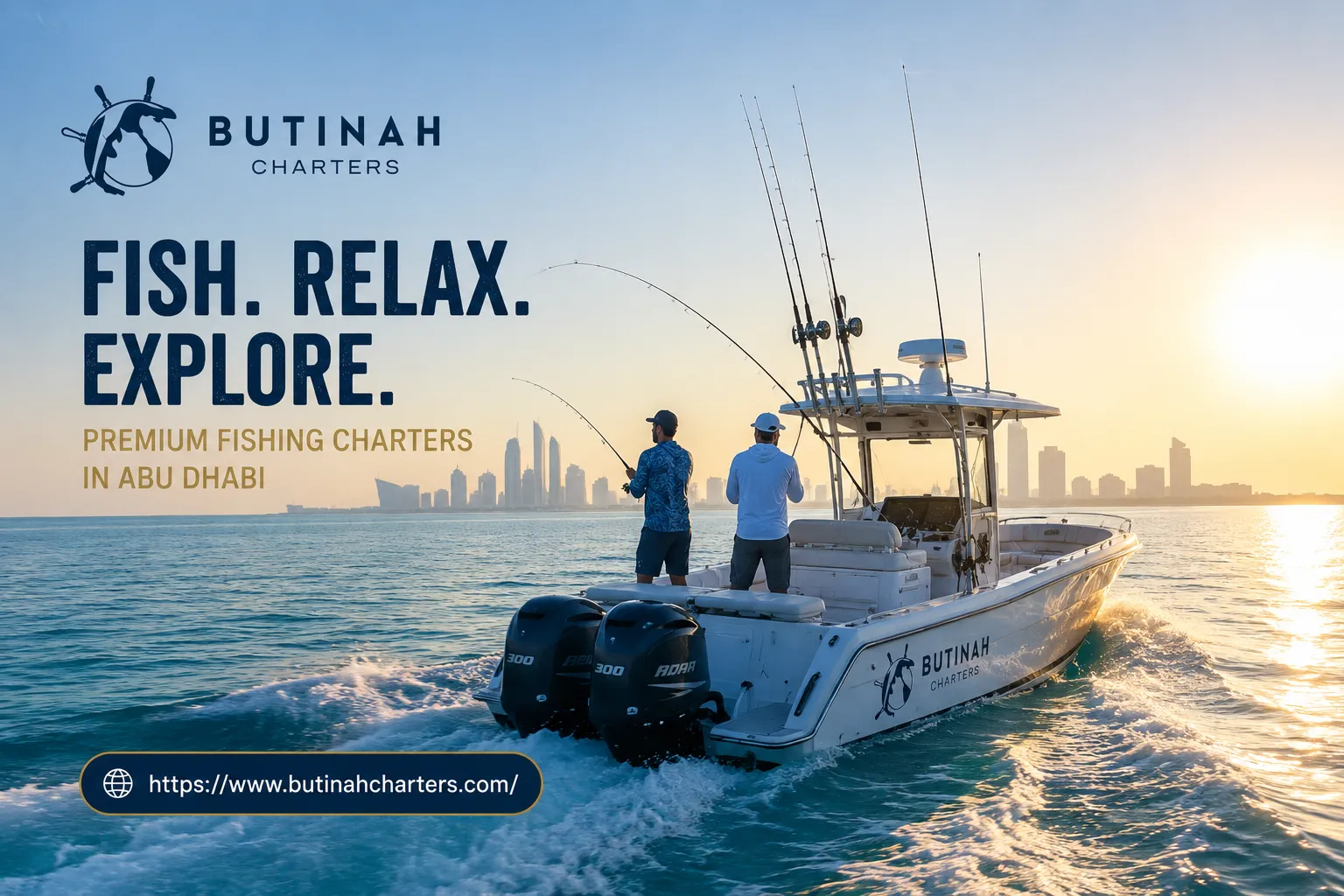
Not every booking follows the same hourly model. A fishing charter is often priced differently from a leisure cruise, since it includes rods, bait, and sometimes a grill setup for cooking the catch. Boats set up for fishing trips are usually smaller and priced closer to a flat rate for the trip rather than a long hourly block.
Celebrations like birthdays or private parties tend to carry a premium too, since they often involve decoration setup, extended cleaning time, and sometimes catering coordination. If the plan includes a specific theme or added entertainment, it's worth mentioning that upfront so the quote reflects the full scope rather than arriving as a surprise add-on later.
Short-Term Charter vs Long-Term Lease
For anyone considering regular use rather than a single outing, a long-term yacht lease works out differently from booking single trips. Leasing spreads the cost over weeks or months and usually brings down the effective rate per outing, since it removes the repeated setup and minimum-booking costs that come with one-off charters.
This route tends to suit residents, companies planning frequent client entertainment, or families who want regular access to a boat without the ongoing costs of ownership. Someone planning only a handful of trips a year is usually better off with standard hourly charters instead, since the lease structure only pays off with consistent, repeated use.
Group Size and Splitting Costs
Because most charters price the whole boat rather than per person, group size directly affects value. A yacht that seats twelve costs the same whether six people show up or twelve, which means larger groups naturally get a better rate per head. This is one reason group bookings, whether for birthdays, reunions, or corporate outings, tend to make more financial sense than smaller private trips on the same size boat.
Anyone trying to keep costs down should aim to fill the boat close to its guest capacity rather than renting a larger vessel for a small group, since unused capacity is effectively wasted spend.
Getting an Accurate Quote
The clearest way to avoid surprises is to ask for a detailed breakdown rather than a single number. A proper quote should separate the base charter cost, any add-ons like water sports or catering, and any seasonal or peak-time adjustments. Comparing two operators on that level, rather than just the headline hourly rate, gives a far more accurate picture of what a trip will actually cost.
Pricing in Abu Dhabi's charter market varies enough that two boats of a similar size can differ significantly depending on what's included. Knowing which factors drive the number, vessel size, duration, timing, event type, and extras, makes it much easier to compare options and book something that fits both the occasion and the budget.




























Sign in to leave a comment.