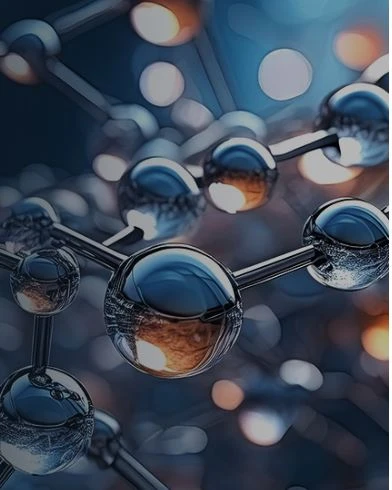

The healthcare sector is constantly searching for advanced solutions that enhance treatment outcomes, reduce risks, and improve patient well-being. Among the most promising innovations is nanobubble technology-a platform built on ultra-small gas-filled cavities in liquids, often less than 200 nanometers in size. Because of their unique physicochemical properties, nanobubbles can carry oxygen, ozone, or even therapeutic molecules directly into tissues and cells. This versatility has sparked tremendous interest in their use for wound healing, disinfection, drug delivery, and even cancer treatment. As clinical trials progress, nanobubbles are moving steadily from research laboratories into hospitals, paving the way for a new era of patient care.

Advanced Wound Disinfection and Oxygenation
Effective wound care depends on two primary factors: controlling infection and ensuring sufficient oxygen delivery for tissue repair. Nanobubbles show strong potential in both areas.
Ozone nanobubbles offer an advanced method for wound disinfection. Ozone (O₃) is a powerful antimicrobial agent capable of destroying bacteria, viruses, and fungi, including antibiotic-resistant pathogens such as MRSA. Traditional antiseptics may also eliminate pathogens, but they often damage healthy tissue in the process, delaying healing. In contrast, ozone nanobubble solutions combine potent antimicrobial activity with reduced cytotoxicity. By suspending ozone in stable, nanoscopic bubbles, clinicians can deliver controlled disinfection that reduces microbial load while protecting surrounding tissue.
Beyond disinfection, oxygen nanobubbles can address the persistent problem of local hypoxia in chronic wounds. Conditions such as diabetic ulcers and arterial insufficiency reduce blood flow, depriving tissues of oxygen necessary for healing. Topical application of oxygen nanobubbles creates a localized hyperoxic environment that supports angiogenesis (the growth of new blood vessels), boosts fibroblast proliferation, and accelerates tissue regeneration. Pre-clinical studies have demonstrated faster wound closure when oxygen nanobubble solutions are applied consistently.
This dual-action strategy-using ozone for sterilization and oxygen for regeneration-represents a significant step toward better wound care outcomes, particularly in patients where healing is typically slow and infection risks are high.
A New Frontier in Drug Delivery and Cancer Treatment
One of the most transformative possibilities of nanobubbles lies in their application as drug delivery vehicles. Because nanobubbles can be engineered with functionalized surfaces, they can carry and release therapeutic compounds with remarkable precision.
In cancer therapy, this targeted delivery mechanism could minimize the systemic toxicity often caused by chemotherapy. Instead of circulating throughout the body and damaging healthy tissues, drugs carried by nanobubbles can be directed toward tumor-specific receptors. This precision targeting enhances efficacy while significantly reducing harmful side effects.
Another advantage emerges when nanobubbles are paired with focused ultrasound. When exposed to ultrasound, nanobubbles oscillate or collapse, producing a phenomenon known as cavitation. This creates temporary openings in biological barriers, such as cell membranes or even the blood–brain barrier. Through this process, drugs can penetrate deeply into tumors or reach brain tissues that are normally inaccessible to conventional therapies. This technique, known as sonoporation, is already under active investigation as a promising method for improving drug uptake.
In addition to drug delivery, nanobubbles show potential in reversing tumor hypoxia. Many solid tumors suffer from inadequate blood supply, leading to low oxygen levels that drive aggressive tumor behavior and resistance to therapies. Radiation therapy and some chemotherapies require oxygen to function effectively. Injecting oxygen nanobubbles into the bloodstream re-oxygenates tumor tissues, improving responsiveness to these treatments. Instead of replacing existing cancer therapies, nanobubbles serve as powerful enhancers, making current strategies more effective.
Integration into Hospitals and Clinical Practice
Nanobubble technology is not limited to experimental treatments; it is also being designed for integration into hospital infrastructure. Compact nanobubble generators could be installed in clinics to produce sterile, gas-enriched water or solutions on demand. These could be used for wound irrigation, surface sterilization, hydrotherapy tanks in rehabilitation centers, or even for cleaning surgical instruments.
For patient care, nanobubble-enriched water could be incorporated into physical therapy protocols, dermatological treatments, or infection control strategies. Their broad antimicrobial action without the downsides of harsh chemicals makes them attractive for minimizing hospital-acquired infections-a persistent global challenge.
Safety Considerations and Future Outlook
As with any novel healthcare innovation, safety remains a top priority. Although nanobubbles are generally considered safe, especially when created with biocompatible materials and physiological gases like oxygen, thorough evaluation is essential before large-scale clinical adoption. Researchers must address several questions:
- Stability: How long can nanobubbles remain intact in biological systems?
- Clearance: What pathways does the body use to eliminate them?
- Toxicity: Are there any long-term risks from repeated exposure or accumulation?
- Targeting: How can off-target effects be minimized during drug delivery?
Preliminary clinical evidence points to nanobubbles being safe, with high biocompatibility and low toxicity under proper design. Advances in shell design, such as lipid or biodegradable polymer coatings, further enhance their safety profile. Regulatory approval will depend on extensive studies that demonstrate consistent benefits across diverse patient populations.
Looking forward, the interdisciplinary nature of nanobubble technology in health care-combining chemistry, physics, medicine, and engineering-will play a critical role in its success. The promise of tailored wound therapies, precise drug delivery, and improved cancer treatments is too significant to ignore. With continued innovation, nanobubbles could soon be a cornerstone of modern healthcare.




























Sign in to leave a comment.