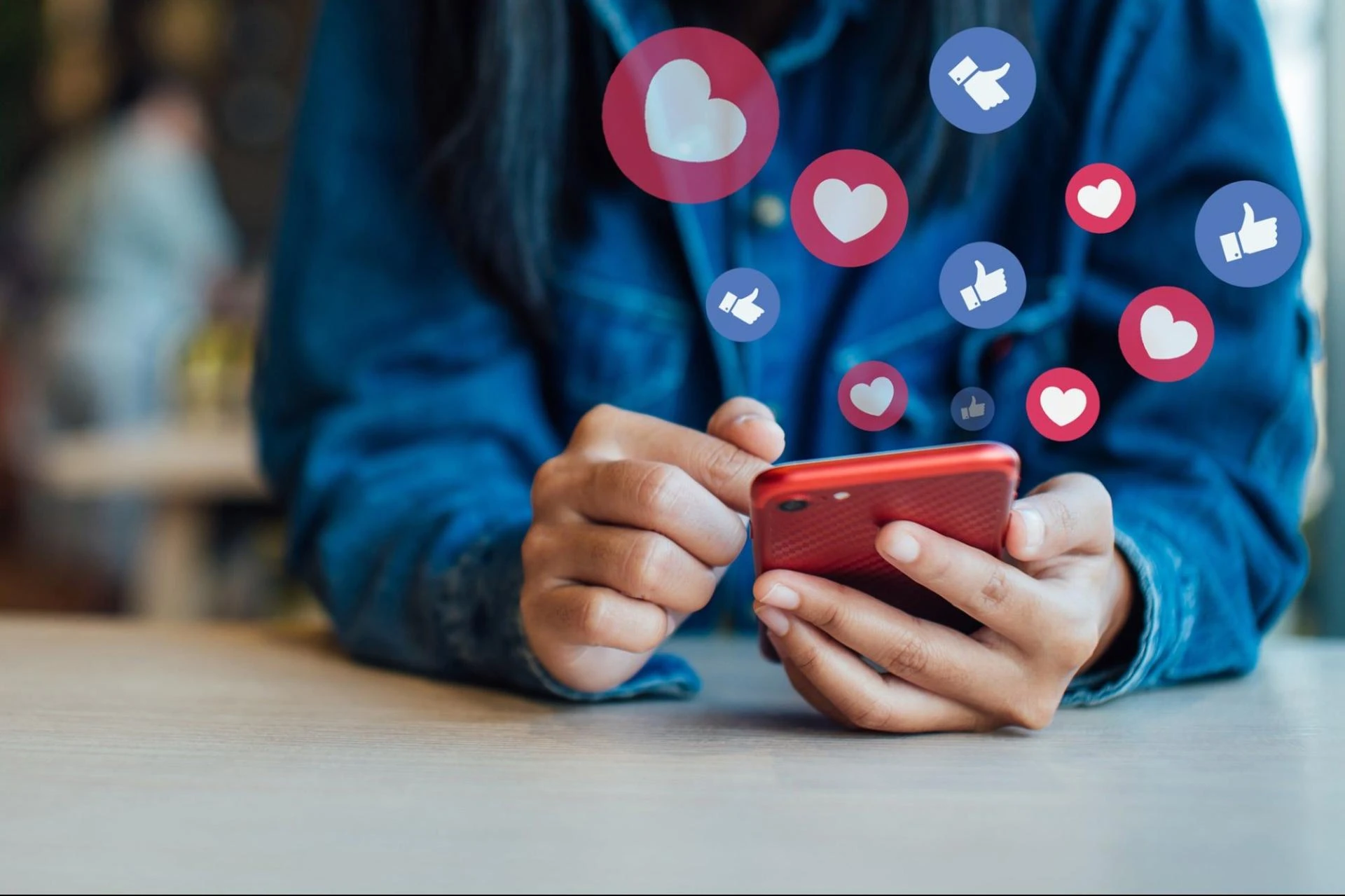
In today’s digital world, finding authentic connections can be challenging for many people, especially for those who experience the world differently. Neurodivergent individuals whose neurological development diverges from typical patterns, including autism, ADHD, dyslexia, and more often face unique social communication challenges. Traditional social platforms, while great for some, don’t always address the specific needs of neurodiverse users. This is where neurodivergent apps come into play, creating safe, understanding spaces that foster genuine communication and meaningful friendships.
Understanding the Communication Gap
Many neurodivergent people find conventional social interactions taxing or confusing. Differences in processing social cues, sensory sensitivities, and communication preferences can make everyday conversations exhausting or misunderstood. As a result, these individuals might feel isolated or reluctant to engage socially. Unfortunately, many existing social apps focus on quick, surface-level interactions, which may unintentionally exclude those needing more thoughtful or paced communication.
The gap between neurodivergent users and mainstream social apps calls for tailored solutions that consider how these individuals communicate best. Neurodivergent apps are specifically designed to bridge this divide by promoting real, authentic communication through features and environments that respect diverse needs.
How Neurodivergent Apps Are Different
Unlike typical social platforms, neurodivergent-focused apps prioritize accessibility and thoughtful design to create an inviting space. They offer options like customizable interaction styles, moderated communities, and prompts that encourage meaningful conversation over fleeting chatter. By removing pressures to conform to neurotypical social norms, these apps help users express themselves authentically and at their own pace.
One example is the neurodivergent friendship app, which centers on fostering connections grounded in shared experiences and mutual understanding. This app encourages users to connect through interest-based matching, conversation starters, and community events designed to accommodate sensory and communication preferences. Such features help create a supportive environment where neurodivergent individuals can build genuine bonds.
Encouraging Authentic Communication Through Design
Several design elements contribute to encouraging real communication on neurodivergent apps:
- Structured Conversations: Many neurodivergent apps offer guided prompts or structured chat options. These features help users start conversations comfortably without the pressure of inventing small talk, which can be particularly difficult for some neurodivergent individuals.
- Pacing and Flexibility: The ability to control the pace of interaction is crucial. These apps often allow asynchronous messaging, meaning users can respond when they feel ready, avoiding overwhelm and reducing anxiety.
- Community Moderation: A well-moderated space ensures respectful, understanding interactions. Many neurodivergent apps have moderators who help maintain safe environments by guiding conversations and handling any conflict.
- Accessibility Features: Customizable settings such as text size, color contrast, and audio options accommodate various sensory needs, enabling users to communicate comfortably.
These thoughtful features are designed not just for communication but for fostering confidence in social interactions, helping users build skills and trust over time.
The Social Benefits of Real Connections
Meaningful communication on these apps leads to more than just messages exchanged; it builds friendships, support networks, and improved social wellbeing. Neurodivergent individuals often report feeling isolated, but spaces designed with their needs in mind create opportunities for belonging and acceptance.
Engaging in real communication can improve emotional health by reducing feelings of loneliness and enhancing self-esteem. Knowing there is a community that understands and accepts one’s differences without judgment is invaluable. These friendships often extend beyond the digital realm, providing real-life social support and enhancing quality of life.
Challenges and Opportunities Ahead
While neurodivergent apps have come a long way, there remain challenges in scaling these platforms and reaching those who could benefit most. Stigma and a lack of awareness sometimes hinder people from exploring these spaces. Additionally, ensuring ongoing inclusivity for the broad spectrum of neurodivergence is complex and requires constant user feedback and thoughtful design evolution.
However, the opportunity to build better social experiences tailored to neurodivergent needs is growing. As more developers and communities embrace neurodiversity, these apps are likely to become vital social hubs that transform how people connect online.
Conclusion
As the social landscape evolves, it becomes clear that one-size-fits-all solutions don’t work for everyone. Neurodivergent apps offer a glimpse into what inclusive, supportive digital communication looks like. They encourage real dialogue, patience, and understanding, helping users move beyond surface-level interaction to form authentic friendships.
For those seeking to explore or support this growing space, platforms like Synchrony provide tailored environments where neurodivergent adults can find community, understanding, and real connection. The future of social connection lies in recognizing and embracing difference, and these apps are leading the way.

















Sign in to leave a comment.