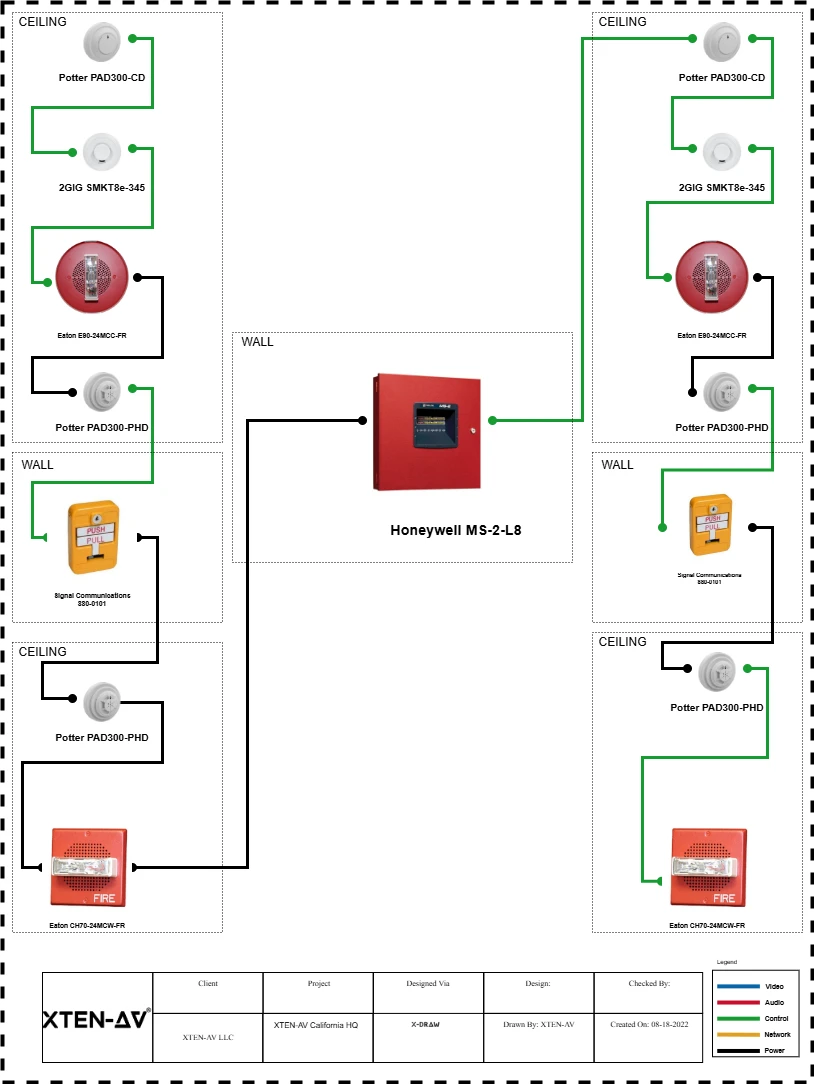

Fire safety is one of the most critical aspects of workplace management. An office environment contains various electrical equipment, furniture, and materials that can easily catch fire if proper precautions are not taken. A reliable fire alarm system is essential for alerting employees and initiating evacuation procedures in case of fire. However, installing a fire alarm system is only the first step. Regular testing and maintenance are crucial to ensure the system works effectively when needed. This blog explores how often fire alarm systems should be tested in an office setup and best practices for maintaining fire safety.
Importance of Regular Fire Alarm Testing
Fire alarm systems are designed to detect smoke, heat, or flames and alert building occupants to evacuate. If the system fails due to a malfunction or dead batteries, it can lead to catastrophic consequences. Regular testing ensures that all components, including detectors, alarms, and control panels, are functioning correctly. Testing also helps identify potential issues before they escalate, providing peace of mind to office management and staff.
Daily Visual Checks
While full system testing is typically done less frequently, daily visual inspections are recommended. Office personnel should check that alarm indicators, control panels, and notification devices are operational and free from obstruction. Any visible damage or warning signals should be reported immediately. Daily checks help maintain awareness and prevent minor issues from turning into critical failures.
Weekly and Monthly Tests
Certain components of the fire alarm system should be tested weekly or monthly. For example, manual call points or pull stations can be tested monthly to ensure they activate alarms correctly. Additionally, battery powered devices should be checked for charge levels to prevent power failures. Some offices conduct limited testing of audible alarms to confirm they function without disturbing employees excessively. Regular weekly or monthly tests keep the system in a ready state and comply with safety regulations.
Quarterly and Biannual Inspections
A more detailed inspection of the fire alarm system is recommended every three to six months. During this period, a qualified technician inspects detectors, control panels, alarm sounders, and wiring for any faults or deterioration. These inspections can include functional tests of smoke detectors, heat sensors, and emergency notification devices. Quarterly or biannual inspections catch potential issues that are not visible during daily checks and ensure long term reliability.
Annual Comprehensive Testing
A complete fire alarm system test should be conducted at least once a year. This involves simulating fire conditions to ensure every component responds correctly. Smoke and heat detectors are tested, alarm signals are verified, and communication with monitoring centers is confirmed. Annual testing often includes a full system audit to ensure compliance with local fire codes and occupational safety regulations. Comprehensive testing provides assurance that the office is prepared for any fire emergency.
Testing After System Modifications
Any modification to the office layout, electrical wiring, or addition of new equipment can impact fire alarm performance. After such changes, the system should be retested to ensure detectors are correctly positioned and alarms function as expected. Testing after modifications prevents blind spots or unresponsive areas, maintaining overall safety.
Documenting Test Results
Every fire alarm test should be documented. Record the date, components tested, issues found, and corrective actions taken. Documentation is essential for regulatory compliance, auditing purposes, and insurance requirements. Keeping detailed records also helps track recurring issues and schedule future maintenance efficiently.
Employee Awareness and Training
Testing fire alarms is not just a technical task. Employees should be aware of alarm signals, evacuation routes, and emergency procedures. Conducting fire drills in conjunction with system tests familiarizes staff with real evacuation scenarios. Regular training combined with testing ensures that everyone knows how to respond promptly and safely in case of a fire.
Engage Certified Professionals
While office staff can perform basic checks, full system testing should be conducted by certified fire alarm technicians. Professionals have the knowledge, tools, and experience to test all components thoroughly and identify hidden issues. Engaging experts ensures that your system meets safety standards and functions correctly under all conditions.
Signs That Indicate Immediate Testing
Certain signs require immediate testing or inspection of the fire alarm system. Frequent false alarms, unusual beeping from the control panel, or malfunctioning detectors indicate that parts of the system may be failing. Addressing these issues promptly prevents potential hazards and maintains trust in the system’s reliability.
Compliance with Local Regulations
Local fire safety codes and occupational safety regulations often specify minimum testing frequencies for fire alarm systems. Compliance is mandatory and can vary depending on office size, number of employees, and type of business. Adhering to these regulations not only ensures safety but also protects the office from legal liabilities in case of fire incidents.
Conclusion
Regular testing of fire alarm systems in an office setup is essential to ensure employee safety, protect property, and comply with safety regulations. Daily visual checks, weekly or monthly component tests, quarterly inspections, and annual comprehensive testing form a robust schedule to maintain system reliability. Additionally, testing after modifications, documenting results, training employees, and engaging certified professionals enhance overall fire preparedness. By following these best practices, office managers can ensure that their fire alarm system is always ready to respond effectively and safeguard the workplace in case of fire emergencies.






























Sign in to leave a comment.