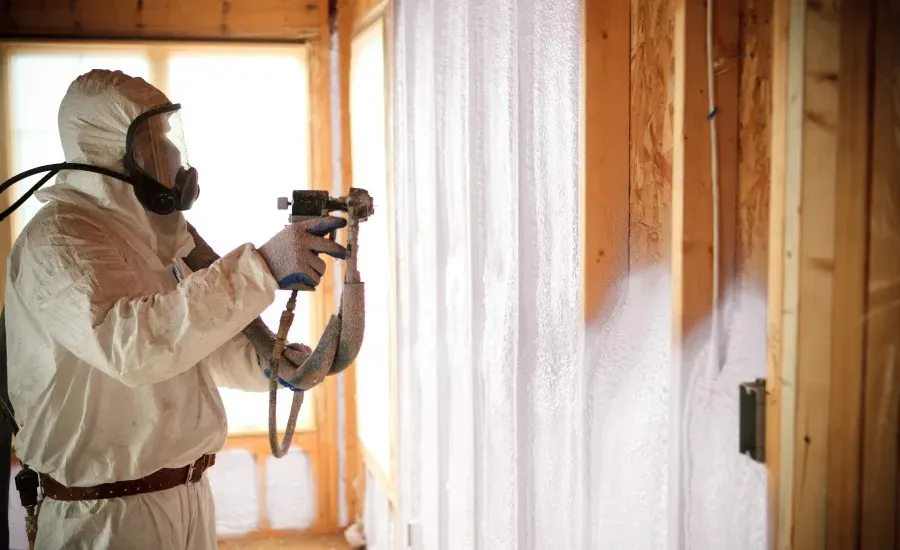
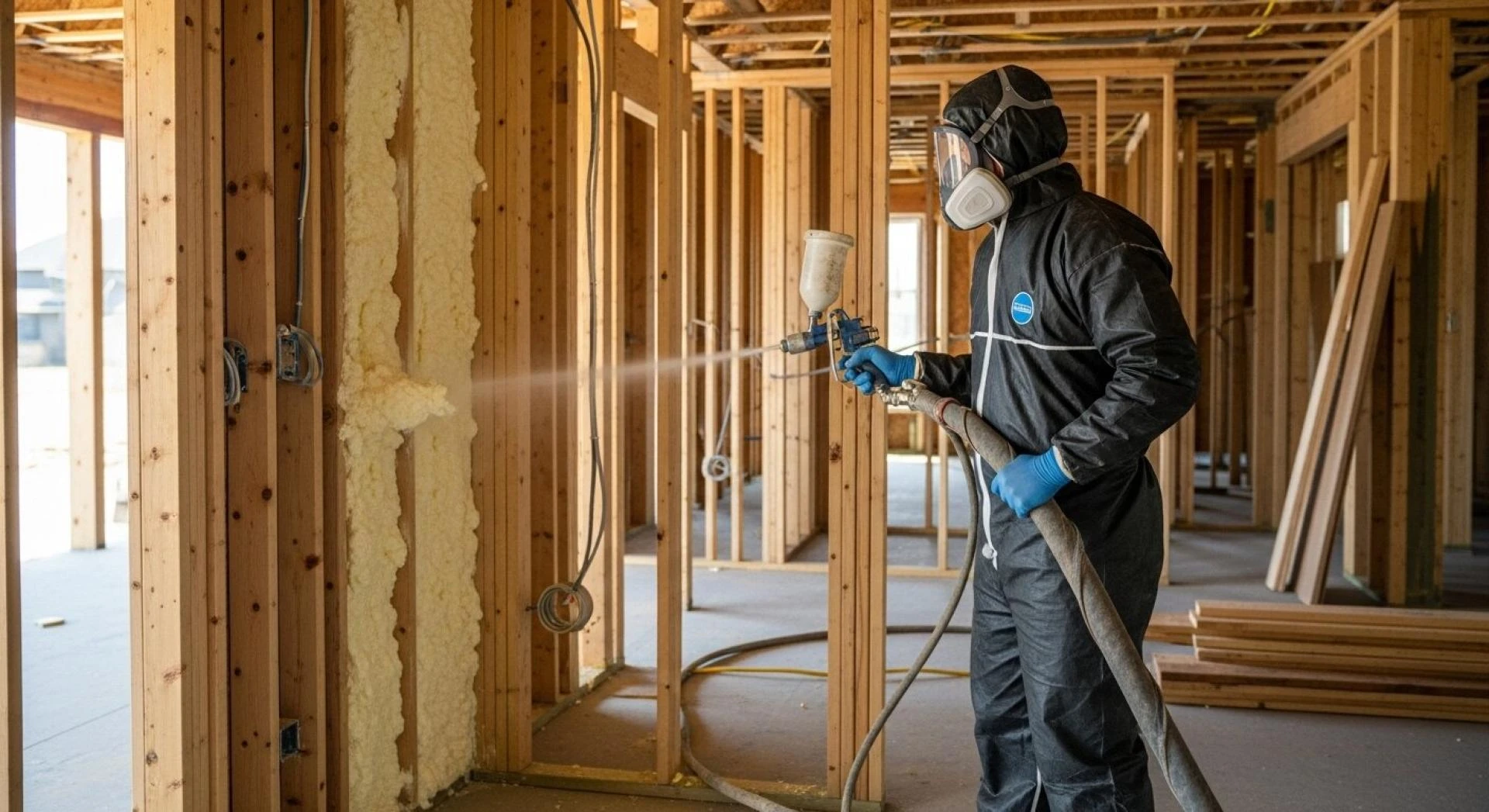
Modern open-cell spray foam provides a complete air seal by expanding up to 100 times its liquid volume upon application. This rapid growth allows the material to flow into tiny cracks, gaps, and oddly shaped cavities that traditional insulation cannot reach. In Marysville homes, this process fills every void around electrical wires, plumbing stacks, and irregular framing to stop air leakage instantly.
You can rely on this technology to solve persistent draft issues in older Pacific Northwest structures. The liquid chemical reaction creates a soft, flexible structure that conforms to any shape it touches. This article explains the mechanics of foam expansion and why it is a superior choice for the specific architectural challenges found in Snohomish County.
Professional installers bring years of technical knowledge to handle the precise timing and temperature requirements of this material. Understanding the physics of expansion helps you make an informed choice for your property.
The Science of Rapid Expansion in Small Spaces
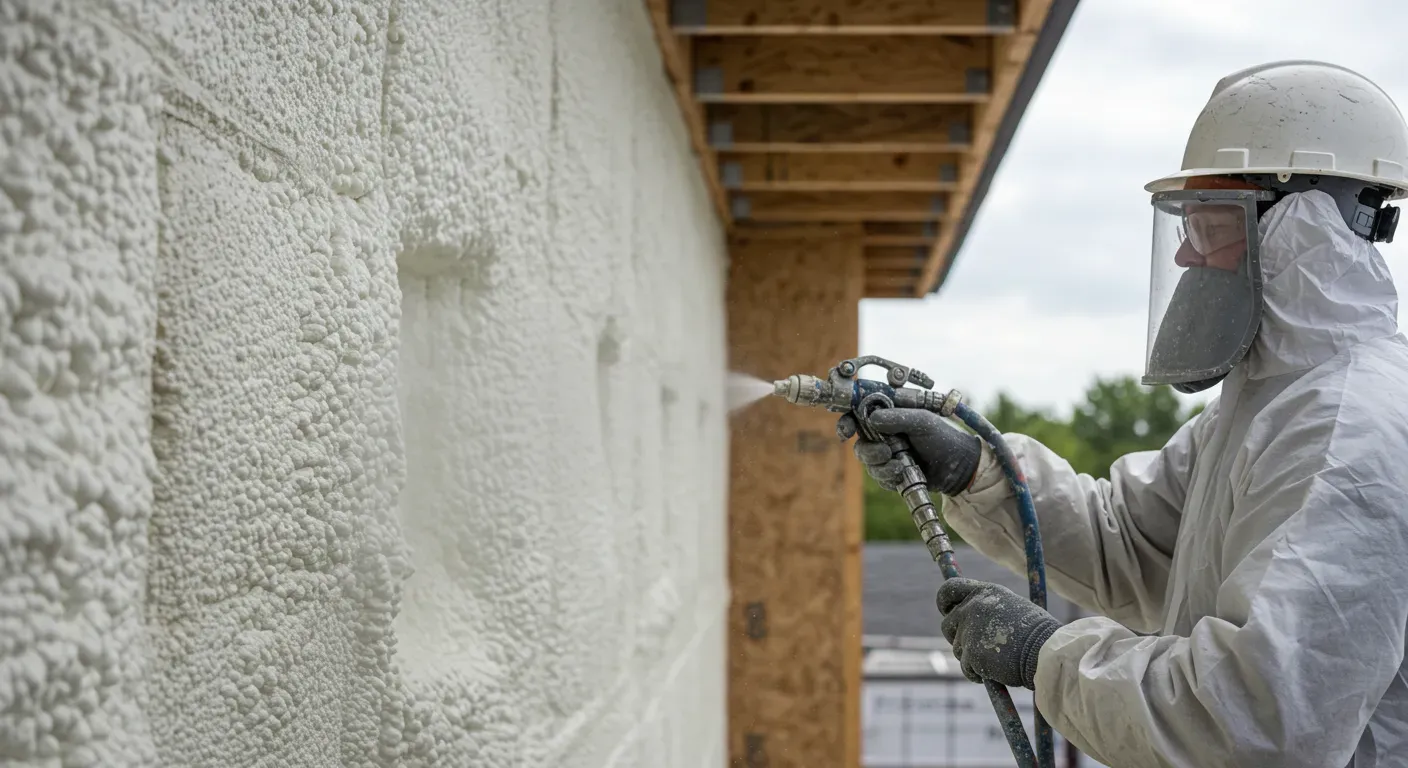
When technicians apply open cell foam, two liquid components mix at the tip of a spray gun. This mixture hits the target surface and begins a chemical reaction that creates carbon dioxide bubbles. These bubbles cause the material to grow outward and inward simultaneously. Within seconds, the foam occupies every cubic inch of the available space.
In many Marysville homes, wall cavities are not perfectly rectangular. You might have diagonal bracing, electrical boxes, or vent pipes that create "shadows" where fiberglass batts cannot fit. Open cell foam acts like a liquid search-and-fill system. It moves around these obstructions before it hardens, ensuring that no pocket of air remains uninsulated.
Market data indicates that air leakage accounts for nearly 30 percent of a home’s total heat loss. By filling these hard-to-reach spots, the foam creates a continuous thermal barrier. The cells in this foam remain open, which gives the material a soft, sponge-like texture. This flexibility is helpful in the Marysville climate, as it allows the foam to move with the natural shifting of a wood-framed house without cracking the seal.
How Does Open Cell Foam Fill Tight Crevices?
The liquid state of the foam is the key to its success in tight areas. Because it starts as a thin spray, it can enter gaps as narrow as a fraction of an inch. As the expansion starts, the pressure of the growing foam pushes the material deeper into the crevices of your rim joists or attic peaks.
Traditional materials like cellulose or mineral wool rely on gravity or manual stuffing. This often leads to compressed spots or missed corners. Open cell foam does not settle over time. Once it expands and cures, it stays in place, maintaining the same volume for the life of the building. This is particularly useful for Marysville residents living in areas with high wind or humidity, where structural movement is common.
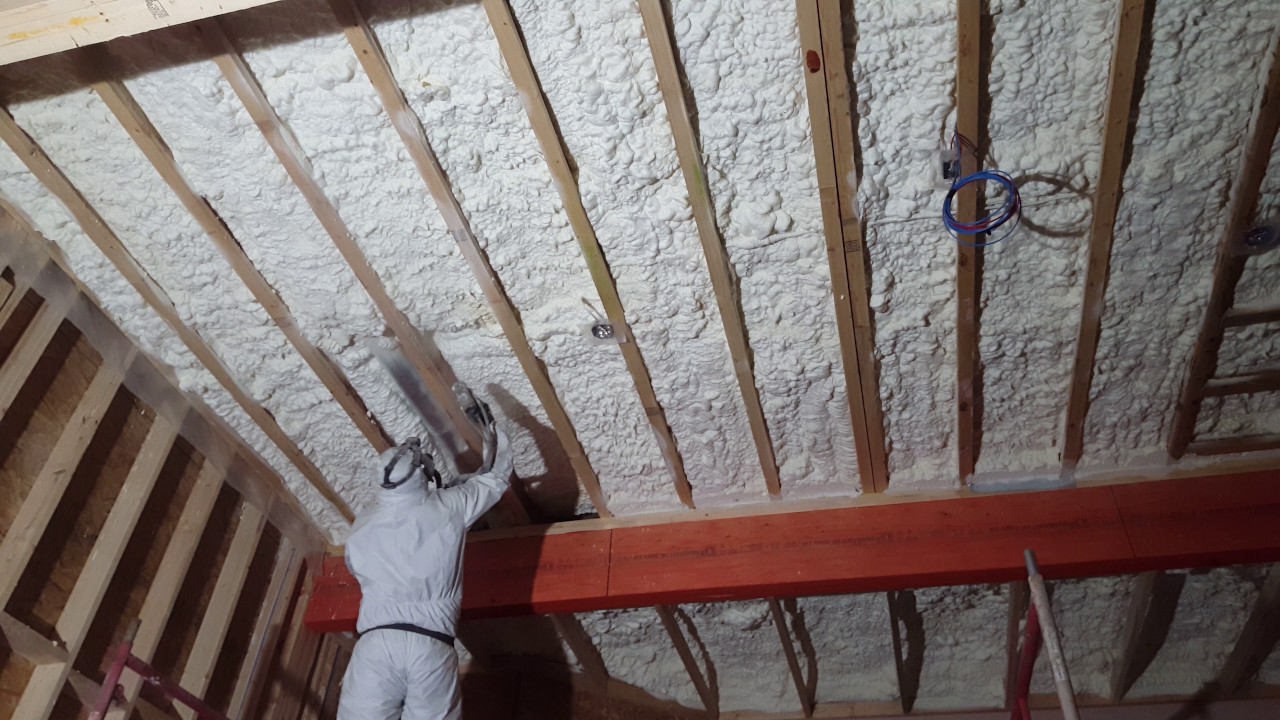
Bonus Tip: Before your installation starts, ensure all surfaces are dry and free of heavy dust. This helps the foam stick firmly to the wood or masonry, allowing the expansion to happen uniformly across the surface.
Comparing Insulation Performance in Narrow Cavities
The following table highlights the differences between common insulation types and how they handle the difficult areas of a home.

Addressing Marysville Climate and Moisture
The weather in Western Washington presents unique challenges for home insulation. With high average rainfall and damp air from the nearby Ebey Slough, moisture management is a priority. Open cell foam is vapor permeable. This means that if moisture gets into your wall assembly, it can escape rather than becoming trapped against the wood.
In Marysville, many homeowners choose open cell foam for interior walls and roof decks because it provides excellent sound dampening. The soft structure of the open cells absorbs sound waves, making your home quieter. This is a great side effect of the expansion process, as the foam fills the small gaps that usually allow sound to travel between rooms.
3 Common Areas Where Expansion Provides the Most Benefit
- Rim Joists: The area where your home sits on its foundation is notoriously leaky. The foam expands into the corners where the wood meets the concrete, stopping cold floors.
- Top Plates: Small holes drilled for wiring allow attic air to pour into your living space. Spray foam seals these holes completely during the expansion phase.
- Cantilevered Floors: These overhanging sections of a house are hard to insulate with batts. The foam fills the entire cavity, preventing the "cold floor" syndrome common in modern Marysville floor plans.
Practical Factors to Evaluate Before Choosing Insulation
Before you decide on a specific material, you should look at the long-term goals for your property. Open cell foam requires professional equipment and safety gear during application. You must plan for the building to be vacant for a short period while the foam cures and the air clears.
You should also check the age of your wiring. While spray foam is safe for modern electrical systems, older knob-and-tube wiring may need inspection or replacement before being covered. The expansion process is powerful, so installers must be careful not to overfill thin-walled cavities that might bulge under the pressure.
Bonus Tip: Check with Snohomish County PUD for any current weatherization rebates. They often provide financial incentives for homeowners who upgrade to high-performance insulation like spray foam.
Expansion Rates and Material Efficiency
The efficiency of open cell foam comes from its low density. Because it uses less raw material to create a large volume of insulation, it is often more cost-effective than closed cell options for large residential projects. The industry has seen a 6 percent annual increase in the use of spray foam because it combines two steps—insulating and air sealing—into a single application.

In a typical Marysville attic, the expansion allows the foam to reach the very edge of the soffits. Installers use baffles to maintain proper ventilation while ensuring the foam covers the top of the wall plate. This level of detail is impossible with hand-cut materials.
Practical Advice for Local Homeowners
If you are dealing with high energy bills or cold spots in your house, look at your attic and crawl space. Most heat loss occurs through the "stack effect" mentioned previously, where warm air rises and escapes through tiny gaps in the upper levels. The expansion of open cell foam is the most effective way to plug these leaks permanently.
You should always verify the credentials of the team performing the work. Proper mixing of the chemicals is required for the foam to expand correctly. If the temperature is too low or the mix is off, the foam may not reach its full volume or could lose its ability to stick to the surfaces.
The Long Term Value of a Complete Seal
Investing in a material that expands into every corner provides peace of mind. You won't have to worry about mice nesting in fiberglass or gaps forming as the house ages. The air seal created by the expansion also prevents dust and allergens from entering your home through the walls.
In Marysville, where the air can be damp and chilly for much of the year, a consistent thermal envelope changes the way a home feels. You will notice fewer temperature swings between rooms and a more responsive heating system.
Learn More About Professional Insulation Solutions
If you want to improve your home's comfort and energy efficiency, reaching out to a local expert is the best next step. They can assess your specific framing and recommend the right application thickness. For residents in the area, Cascadia Spray Foam Insulation of Seattle provides detailed assessments and professional installation. You can contact them at (425) 386-3500 or via email at [email protected] to discuss your project. They offer a free quote to help you understand the costs and benefits of using open cell foam for your hard-to-reach areas.
Common Questions About Open Cell Foam Expansion
Does the expansion of the foam damage my walls?
Professional installers manage the volume of foam to prevent damage. They apply it in layers or "passes" to ensure it fills the cavity without putting excessive pressure on the drywall.
How long does the expansion process take?
The foam expands to its full size within seconds of hitting the surface. It typically becomes tack-free in less than a minute and fully cures within 24 hours.
Can open cell foam be used in damp Marysville crawl spaces?
It is best used in areas where it can stay dry. While it is vapor permeable, it should not be in direct contact with bulk water or saturated soil.
Will the foam smell after it expands?
There is a brief odor during the chemical reaction. However, with proper ventilation provided by the installers, the smell disappears completely once the material is cured.
Is the expansion process safe for plumbing?
Yes, the foam expands around pipes without causing damage. It actually helps by securing the pipes in place and reducing the noise of rushing water through the walls.











Sign in to leave a comment.