

Many people assume surgery is the only solution once knee, hip, or shoulder pain begins interfering with daily life.
However, this is not always the case. Thanks to advances in orthopaedic care, many patients can manage joint pain, improve mobility, and maintain an active lifestyle for years before surgery becomes necessary.
The goal is not simply to treat symptoms but to preserve joint function, reduce pain, and slow the progression of joint damage whenever possible.
Orthopaedic specialists use a combination of accurate diagnosis, personalised treatment plans, rehabilitation, lifestyle guidance, and minimally invasive procedures to help patients maintain healthy joints for as long as possible.
If you're looking for experienced orthopedic doctors in Nairobi Hospital, understanding how conservative orthopaedic care can delay joint replacement will help you make informed decisions about your long-term joint health.
Why Joint Replacement Isn't Always the First Option
Joint replacement surgery has helped millions of people regain mobility and reduce chronic pain. However, orthopaedic surgeons generally recommend exhausting appropriate non-surgical treatment options before considering replacing a joint.
Every natural joint has value. Preserving it for as long as possible often leads to better long-term outcomes, particularly for younger or more active patients.
Artificial joints have a limited lifespan, meaning delaying surgery can reduce the likelihood of requiring future revision procedures.
Orthopaedic doctors carefully evaluate whether symptoms can be managed effectively using conservative treatments before recommending surgery.
For many patients, these treatments provide significant relief while allowing them to continue working, exercising, and enjoying everyday activities.

Understanding Why Joints Deteriorate
Joint degeneration can occur for several reasons, and identifying the underlying cause is essential for selecting the most appropriate treatment.
Common causes include:
- Osteoarthritis
- Previous sports injuries
- Ligament damage
- Meniscus injuries
- Rheumatoid arthritis
- Cartilage wear
- Fractures affecting joint alignment
- Repetitive strain
- Age-related changes
Not every painful joint progresses at the same rate. Some conditions remain stable for many years with appropriate management, making early assessment particularly important.
The Importance of Early Orthopaedic Assessment
Many people wait until pain becomes severe before consulting an orthopaedic specialist. Unfortunately, delaying assessment may allow joint damage to progress unnecessarily.
Early evaluation allows orthopedic doctors to:
- Identify the exact source of pain
- Detect joint damage before it becomes severe
- Recommend early intervention strategies
- Slow disease progression
- Develop personalized treatment plans
- Help patients avoid unnecessary procedures
Modern diagnostic tools allow specialists to identify subtle changes within the joint long before severe disability develops.
Early intervention often provides the greatest opportunity to preserve natural joint function.
Comprehensive Assessment Leads to Better Treatment
Before recommending any treatment, orthopaedic doctors perform a detailed evaluation to understand both the condition of the joint and the patient's lifestyle.
Assessment usually includes:
Medical History
Your doctor will discuss:
- When symptoms began
- Previous injuries
- Daily activity levels
- Occupational demands
- Existing medical conditions
- Current medications
Understanding your overall health helps guide appropriate treatment decisions.
Physical Examination
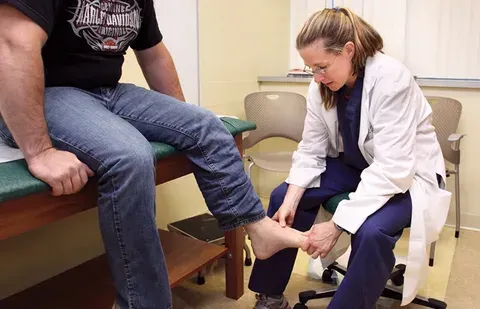
Movement, strength, joint stability, flexibility, swelling, and walking patterns are carefully assessed.
This examination helps identify which structures are contributing to pain and reduced mobility.
Diagnostic Imaging
Depending on your symptoms, investigations may include:
- X-rays
- MRI scans
- CT scans
- Ultrasound imaging
These provide detailed information about cartilage, ligaments, tendons, bones, and surrounding soft tissues.
Personalized Treatment Plans Instead of One-Size-Fits-All Care
One of the most valuable aspects of modern orthopaedic care is its personalized approach.
Two patients with similar X-ray findings may require completely different treatment plans depending on:
- Age
- Activity level
- Occupation
- Overall health
- Pain severity
- Personal goals
For example, a young athlete with early cartilage wear has very different rehabilitation goals compared with an older adult managing age-related osteoarthritis.
Individualised treatment ensures recommendations focus on preserving function while supporting each patient's lifestyle.
Physiotherapy Plays a Central Role
Physiotherapy is one of the most effective ways orthopedic doctors help patients delay joint replacement.
Rather than simply treating pain, physiotherapy addresses the mechanical problems contributing to joint stress.
A structured rehabilitation program may focus on:
Improving Muscle Strength
Strong muscles help absorb forces that would otherwise place additional pressure on damaged joints.
Strengthening surrounding muscles often improves stability while reducing pain during movement.
Increasing Flexibility
Tight muscles and restricted movement can increase stress on already damaged joints.
Gentle stretching and mobility exercises improve movement while reducing stiffness.
Correcting Movement Patterns
Poor walking mechanics or faulty movement patterns often accelerate joint wear.
Physiotherapists help patients move more efficiently, reducing unnecessary stress on affected joints.
When followed consistently, rehabilitation programs frequently improve both pain and function.
Weight Management Reduces Joint Stress
For individuals carrying excess body weight, even modest weight loss can significantly reduce joint pressure.
Every additional kilogram places increased load on weight-bearing joints, particularly the knees and hips.
Orthopedic doctors often discuss:
- Healthy nutrition
- Sustainable weight management
- Low-impact exercise
- Activity modification
Reducing joint loading not only decreases pain but may also slow the progression of osteoarthritis.
Weight management becomes an important part of preserving natural joints over the long term.
Medication Can Support Conservative Treatment
Medication is often used alongside physiotherapy and lifestyle modifications rather than replacing them.
Depending on the diagnosis, treatment may include:
- Anti-inflammatory medications
- Pain relief
- Topical medications
- Joint injections where clinically appropriate
The goal is to improve comfort sufficiently for patients to participate fully in rehabilitation and daily activities.
Medication plans are carefully tailored to individual needs and monitored by the treating doctor.
Joint Injections May Provide Temporary Relief
For selected patients, orthopaedic specialists may recommend injection therapies to help manage symptoms.
Depending on the condition, these may include treatments designed to reduce inflammation or improve joint comfort.
Although injections do not cure arthritis or regenerate damaged cartilage, they may provide temporary symptom relief that allows patients to continue rehabilitation and delay surgery.
Injection suitability varies according to each patient's diagnosis and overall health.
Activity Modification Instead of Activity Avoidance
Many people believe they should completely avoid physical activity once joint pain develops.
In reality, appropriate movement remains essential for maintaining joint health.
Orthopedic doctors help patients modify activities rather than eliminating them entirely.
Examples may include:
- Switching from running to cycling
- Choosing swimming over high-impact sports
- Adjusting exercise intensity
- Improving footwear
- Using supportive braces where appropriate
Remaining active supports joint nutrition, muscle strength, cardiovascular health, and overall wellbeing.
Managing Sports Injuries Early
Previous ligament injuries, meniscus tears, or cartilage damage increase the likelihood of developing arthritis later in life.
Prompt orthopaedic management following sports injuries may reduce long-term joint deterioration.
Treatment may involve:
- Rehabilitation
- Bracing
- Injury prevention strategies
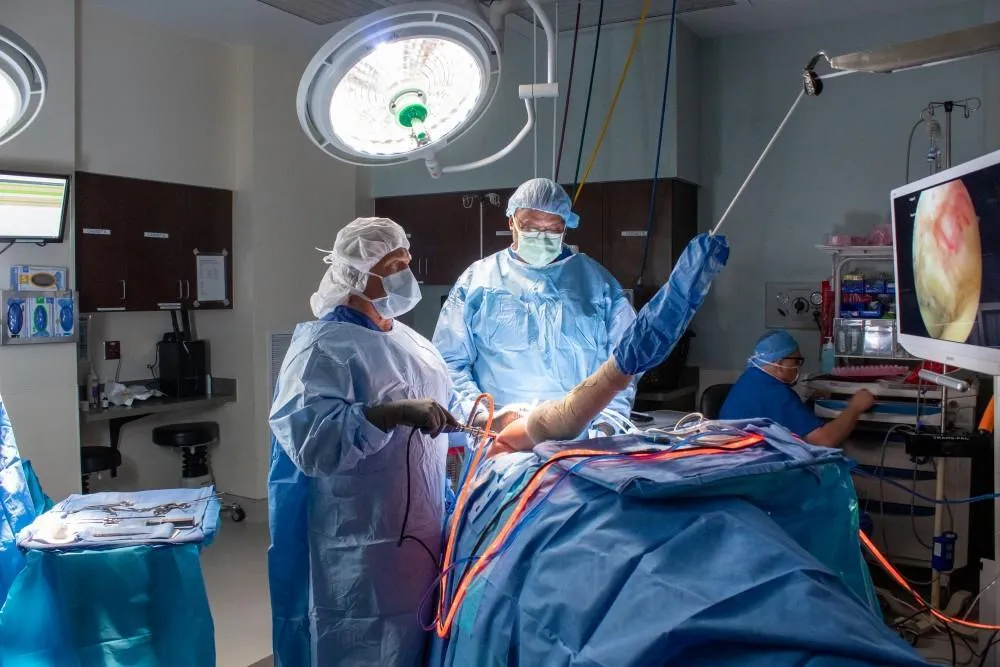
- Minimally invasive procedures when necessary
Protecting joint structures after injury often helps preserve long-term function.
Monitoring Joint Health Over Time
Joint conditions often change gradually.
Regular follow-up appointments allow orthopedic doctors to:
- Monitor disease progression
- Review imaging
- Adjust treatment plans
- Assess rehabilitation progress
- Recommend additional interventions if needed
Ongoing monitoring ensures treatment evolves alongside the patient's changing needs rather than relying on a fixed management plan.
When Joint Replacement Becomes the Best Option
Although conservative treatment helps many patients delay surgery, there comes a point where joint replacement may provide the greatest improvement in quality of life.
Signs this may occur include:
- Severe daily pain
- Significant mobility limitations
- Failure of conservative treatment
- Difficulty sleeping due to pain
- Loss of independence
- Markedly reduced quality of life
Even when surgery becomes appropriate, patients who have maintained muscle strength and overall fitness through conservative care often recover more successfully.
Choosing Experienced Orthopedic Doctors
If you're searching for experienced orthopedic doctors in Nairobi Hospital, selecting the right specialist can significantly influence your long-term joint health.
Look for a team that provides:
Accurate Diagnosis
Successful treatment begins with identifying the true cause of joint pain.
Individualised Care
Treatment plans should reflect your lifestyle, health, and personal goals.
Comprehensive Conservative Management
A strong emphasis on non-surgical care helps preserve natural joints whenever possible.
Surgical Expertise When Needed
If surgery eventually becomes necessary, having continuity of care with an experienced orthopaedic team supports better long-term outcomes.
Conclusion
Joint replacement is not always the first or only solution for chronic joint pain.
Through early diagnosis, personalised rehabilitation, physiotherapy, weight management, medication, activity modification, and ongoing monitoring, orthopaedic specialists can often help patients manage symptoms effectively while preserving their natural joints for many years.
Delaying surgery isn't simply about avoiding an operation; it is about maintaining mobility, independence, and quality of life through evidence-based care tailored to each individual.
At Spine Clinic Africa, our experienced orthopedic doctors in Nairobi Hospital provide comprehensive assessment and personalised treatment plans designed to relieve pain, improve movement, and support long-term joint health.
Whether you're experiencing early arthritis, recovering from a sports injury, or exploring alternatives to joint replacement, our multidisciplinary team is committed to helping you achieve the best possible outcome through expert orthopaedic care.
Don't let joint pain dictate your future. Book a consultation with Spine Clinic Africa today to stay active and delay joint replacement whenever possible.





























Sign in to leave a comment.