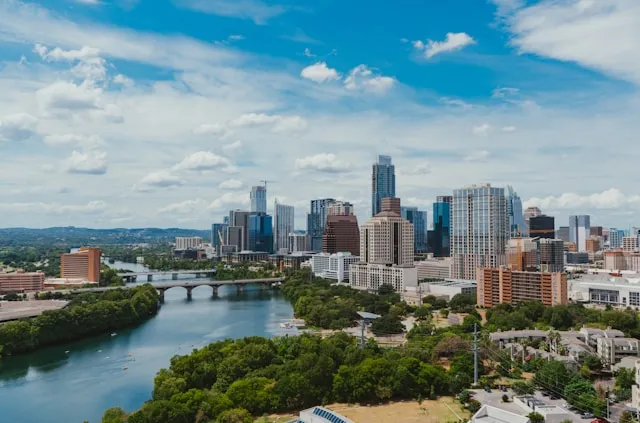

Picture: Unsplash
Driving in Texas presents a unique experience, especially for those visiting from other states. The sheer size of the state, combined with diverse driving environments, creates a setting that differs significantly from what many out-of-state drivers may be accustomed to. From multi-lane urban freeways to sprawling rural highways, Texas roads demand both adaptability and awareness. Visitors often find themselves adjusting quickly to new patterns of traffic flow, signage, and road etiquette in order to travel safely and confidently. Understanding these differences is essential for navigating the state without unnecessary stress or risk.
Adapting to Texas Highway Scale and Layout
One of the first things out-of-state drivers notice is the scale of Texas highways. Cities like Houston and Dallas feature some of the widest freeway systems in the United States, with numerous lanes, complex interchanges, and high-speed traffic. For drivers coming from regions with narrower roadways, this can feel overwhelming at first.
Lane discipline becomes especially important in these environments. Staying in the correct lane well in advance of exits helps avoid sudden maneuvers that could disrupt traffic flow. Texas drivers tend to maintain a steady pace, and hesitation can create confusion or potential hazards. Many highways also include frontage roads that run parallel to the main lanes, providing additional access to businesses and residential areas. While convenient, these can initially confuse drivers unfamiliar with the design.
In busy areas, merging onto highways requires both confidence and timing. Acceleration lanes are often longer than in other states, allowing drivers to build speed before entering traffic. Taking full advantage of this space helps ensure smoother merges and reduces the likelihood of sudden braking by surrounding vehicles.
Understanding Local Driving Culture and Speed Expectations
Texas driving culture often reflects a strong emphasis on efficiency and speed, particularly on highways where speed limits frequently range from 70 to 80 miles per hour. Out-of-state drivers may need time to adjust to this faster pace, especially if they come from areas with stricter speed enforcement or lower limits.
Maintaining a consistent speed that matches the flow of traffic is generally safer than driving significantly below it. While adhering to posted limits is important, sudden speed variations can create dangerous conditions. It is also common for drivers to pass on the left and expect slower vehicles to keep right, making lane awareness essential.
In unfamiliar situations or following an incident, some travelers seek guidance from a Texas car accident lawyer to better understand local regulations and responsibilities. However, developing a basic understanding of Texas driving norms in advance can help prevent those situations from arising in the first place.
Additionally, turn signals and clear communication are vital. With larger roadways and faster-moving traffic, signaling intentions early allows other drivers to adjust accordingly and helps maintain a predictable driving environment.
Navigating Rural Roads and Long Travel Distances
Beyond urban centers, Texas offers vast stretches of rural highways that can seem endless. These roads often have fewer services, limited lighting, and long distances between towns. For out-of-state drivers, this can present both a peaceful experience and a logistical challenge.
Planning ahead is crucial when traveling through rural areas. Ensuring that fuel levels are sufficient and that navigation systems are functioning properly can prevent unnecessary stress. Cell service may be inconsistent in remote regions, making it beneficial to download maps or carry backup directions.
Two-lane highways are common outside major cities, and passing slower vehicles requires careful judgment. Visibility and road conditions must be assessed before attempting to pass, as oncoming traffic may appear suddenly over hills or around curves. Patience is key, especially when encountering agricultural equipment or local vehicles traveling at reduced speeds.
Wildlife is another factor that out-of-state drivers may not expect, particularly during early morning or evening hours. Remaining alert and reducing speed in areas with wildlife crossing signs can help avoid sudden encounters.
Handling Weather Variations Across Regions
Texas weather can shift dramatically depending on the region and season. Drivers traveling across the state may encounter multiple weather conditions in a single trip. From intense heat in the summer to sudden thunderstorms or occasional winter ice in northern areas, adapting to these changes is essential.
Heavy rain can quickly lead to reduced visibility and slippery road surfaces. Drivers unfamiliar with these conditions should slow down, increase following distance, and avoid sudden movements. Flash flooding can occur in certain areas, particularly near low-water crossings, making it important to heed warning signs and avoid driving through standing water.
Wind is another factor, particularly in open regions such as West Texas. Strong gusts can affect vehicle stability, especially for larger vehicles or those towing trailers. Keeping both hands on the wheel and maintaining a steady speed helps mitigate these effects.
Checking weather forecasts before starting a journey allows drivers to anticipate conditions and adjust travel plans if necessary. Preparation ensures a safer and more controlled driving experience, even in less predictable environments.
Managing Navigation and Road Signage Differences
Texas road signage is generally clear, but the complexity of certain highway systems can create confusion for newcomers. Large interchanges with multiple exit points often require drivers to make decisions quickly, especially in busy metropolitan areas.
Using a reliable GPS system or navigation app is highly recommended. Voice-guided directions can help drivers stay focused on the road while preparing for upcoming turns or exits. It is also helpful to review routes in advance, especially when traveling through unfamiliar cities.
Exit numbering systems may differ slightly from those in other states, and some highways include toll lanes or express lanes with separate entry points. Understanding these distinctions before entering a roadway reduces the likelihood of last-minute lane changes.
Frontage roads, which are more common in Texas than in many other states, provide additional access but also require careful attention when entering or exiting. Traffic signals and intersections along these roads can vary, making it important to remain alert and follow posted instructions.
Conclusion
Navigating Texas roads as an out-of-state driver requires a combination of preparation, awareness, and adaptability. The state's expansive highway systems, diverse environments, and distinct driving culture create a unique experience that can be both exciting and challenging. By understanding roadway layouts, maintaining awareness of speed expectations, and preparing for varying conditions, visitors can confidently explore Texas by car.
A thoughtful approach to driving not only enhances safety but also allows travelers to focus on the journey itself. With the right mindset and preparation, out-of-state drivers can successfully navigate Texas roads and enjoy everything the state has to offer while minimizing potential risks along the way.


























Sign in to leave a comment.