
Parking is one of the most important parts of site planning, but it is often treated as a secondary detail. In reality, parking affects how people arrive, move, park, walk, and leave a property. When parking is poorly planned, it can create congestion, safety concerns, inefficient land use, and frustration for visitors, residents, employees, or customers. A well-prepared Parking Consultant Planning Study helps project teams understand how parking will function as part of the larger site. It looks beyond the number of spaces and considers access, circulation, pedestrian movement, drop-off areas, loading zones, and long-term operational needs.
For developments in busy or growing markets, working with a Parking Consultant in Florida can be especially useful. Florida projects often involve high visitor activity, seasonal demand, mixed-use development, tourism, dense urban areas, and local review requirements. A detailed parking study helps address these conditions with practical, data-based recommendations.
What a Parking Planning Study Covers
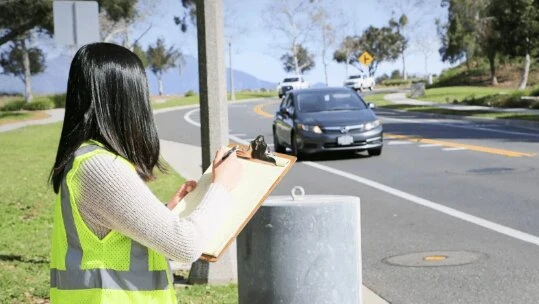
A parking planning study evaluates how parking supports the overall function of a site. It may review existing conditions, projected parking demand, peak usage periods, site access, internal circulation, pedestrian routes, loading areas, and opportunities for shared parking.
The purpose is to identify how parking can be planned more efficiently and safely. This is important for commercial centers, residential developments, healthcare facilities, universities, municipal properties, office sites, and mixed-use projects.
A strong study does not simply ask whether a site has enough parking. It also considers whether the parking is located properly, whether vehicles can move without delay, whether pedestrians have safe routes, and whether the site can handle future demand.
How Parking Studies Improve Traffic Flow
Traffic flow is directly connected to parking design. If drivers struggle to enter a property, find a space, or exit efficiently, congestion can build within the site and sometimes affect nearby streets.
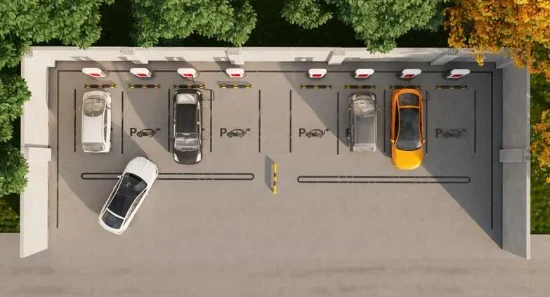
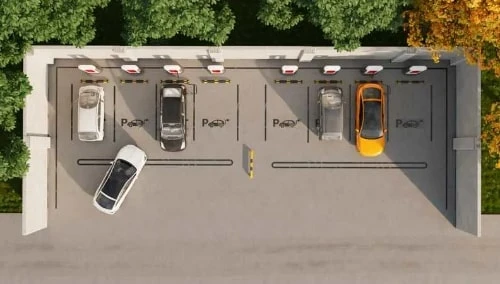
A parking planning study helps reduce these problems by reviewing how vehicles move from the roadway into the property and through the parking area. It can identify access points that may cause delays, drive aisles that create confusion, or internal routes that force unnecessary vehicle circulation.
For example, a retail center with poorly placed entrances may experience backups during peak shopping hours. A medical campus may face congestion if patient drop-off areas, staff parking, and service access overlap. A mixed-use development may need different parking patterns for residents, office users, restaurant visitors, and delivery vehicles.
By studying these conditions early, project teams can make better layout and access decisions before problems become expensive to fix.
Supporting Local Review and Project Planning
Parking studies are often useful during zoning, permitting, site plan review, redevelopment planning, or municipal discussions. Local agencies may need clear documentation showing that a project can handle its parking demand and operate safely.
An experienced Parking Consultant in Florida can help prepare this information in a way that reflects local requirements and real site conditions. This can support better communication between developers, architects, engineers, property owners, and reviewing agencies.
For Florida projects, this local understanding matters. Different cities and counties may have different parking standards, development patterns, transportation priorities, and review expectations. A practical, well-documented study can help project teams move forward with more confidence.
Conclusion
A parking planning study helps create a site that is easier to access, safer to move through, and more efficient to operate. It gives project teams a clear understanding of parking demand, vehicle circulation, pedestrian movement, loading needs, and long-term site performance. By addressing these details early, property owners and developers can reduce congestion, avoid inefficient layouts, support local review, and improve the overall user experience. Parking is not just about providing spaces. It is about making sure people and vehicles can move through a site safely, clearly, and efficiently. With the right planning support, parking can become a key part of a stronger, better-functioning development.



























Sign in to leave a comment.