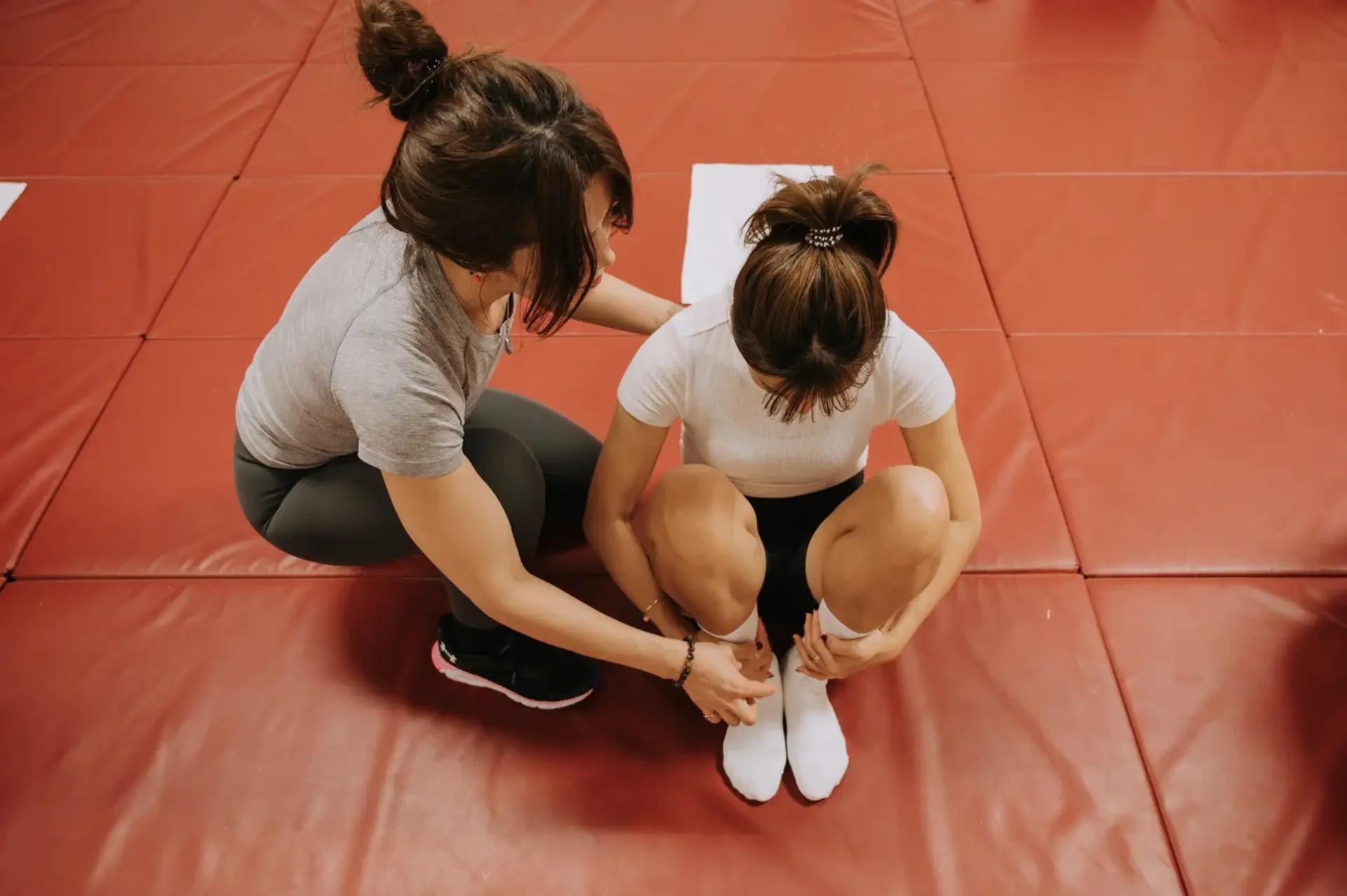

In recent years, Pilates has surged in popularity across the United States, with studios popping up in urban centers, suburban communities, and even rural areas. But not all Pilates studios are created equal. Depending on the neighborhood, a studio might differ in terms of style, pricing, clientele, services offered, and even the type of instructors it attracts. If you've ever wondered why a Pilates class in downtown Manhattan feels drastically different from one in a quiet Midwestern suburb—or how those differences can affect your experience—this article is for you. Whether you're a seasoned practitioner or a newcomer deciding where to begin your journey, understanding how Pilates studios vary by neighborhood will help you choose a space that aligns with your goals and lifestyle.
Take, for instance, studios in bustling metropolises like New York City. Here, you’ll find a range of Pilates offerings, from luxury reformer classes to intimate boutique studios. A standout example of this diversity is nyc pilates, which caters to a clientele seeking both classic techniques and modern innovations in movement science. But in contrast, smaller towns may offer a more community-driven or general fitness approach. Let’s dive into the key differences and what they mean for practitioners.
Key Points
- Pilates studios reflect the socioeconomic and cultural makeup of their neighborhoods.
- Pricing, studio size, and available equipment often vary dramatically depending on location.
- Urban studios tend to specialize, while suburban and rural studios often offer general fitness services.
- Client goals and class scheduling are influenced by community lifestyle patterns.
- Knowing what to expect in different neighborhoods can help you find the best Pilates experience for your needs.
Urban Neighborhoods: High-End Offerings and Specialized Services
State-of-the-Art Equipment
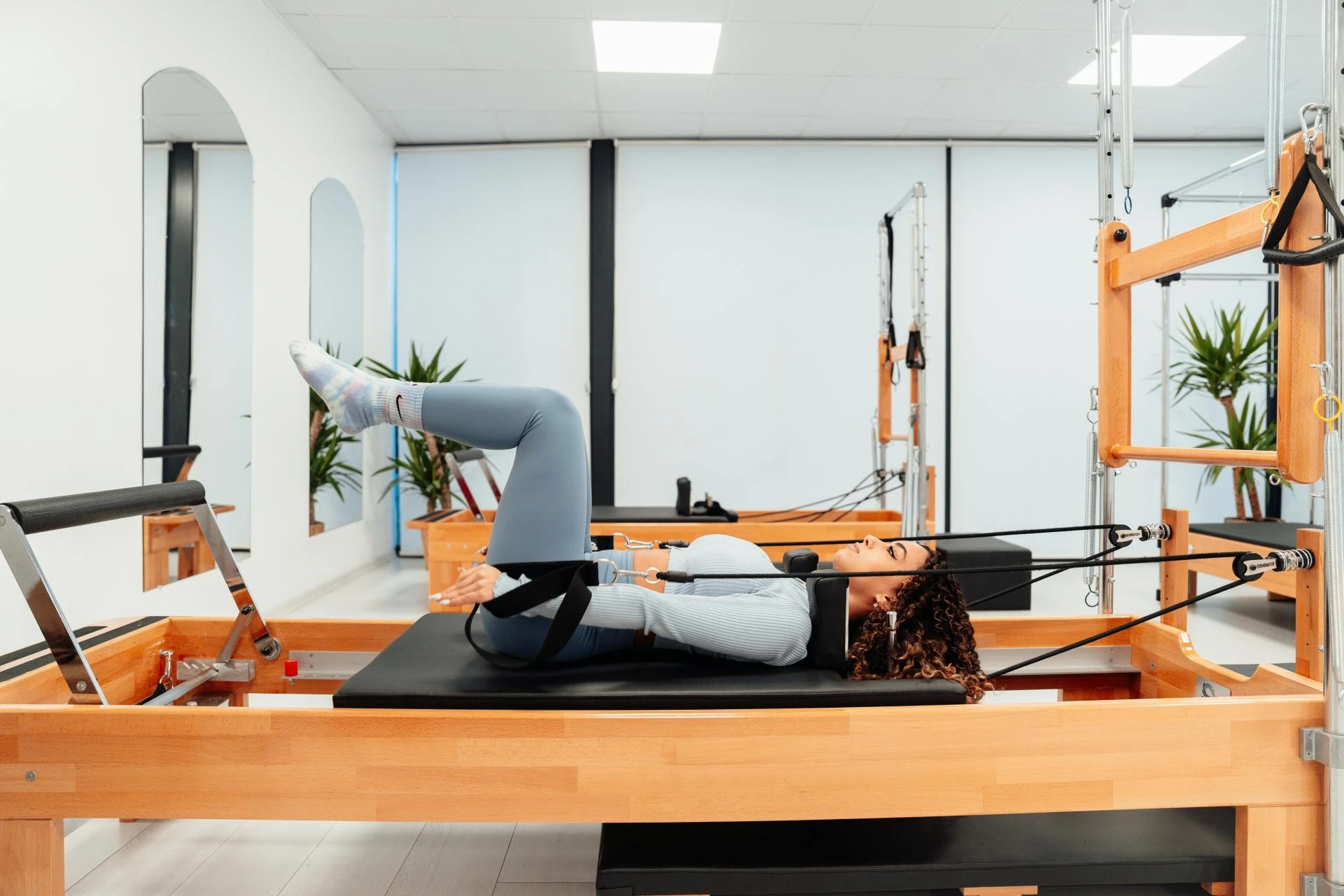
Urban Pilates studios—especially in affluent areas—often emphasize premium experiences. It's not uncommon to walk into a studio in San Francisco's Financial District or Manhattan’s Upper West Side and find cutting-edge Reformers, Cadillac machines, and Wunda chairs. These studios prioritize aesthetics and innovation, offering the latest equipment designed to enhance workouts and attract a high-end clientele.
Specialization and Niche Classes
Studios in city centers typically offer classes tailored to specific needs: prenatal Pilates, post-rehab sessions, athletic performance enhancement, and even Pilates fused with barre or yoga. The competitive environment in urban settings encourages specialization, as studios strive to differentiate themselves in a crowded market.
Higher Pricing Structures
With higher rent and operational costs, urban studios tend to charge more per session. Single drop-in classes can range from $30 to $50, while private sessions may exceed $100. However, many offer packages or memberships that provide discounts for frequent users.
Suburban Studios: Community-Oriented and Accessible
Multi-Disciplinary Fitness Centers
In suburban neighborhoods, Pilates is often offered as part of a broader wellness or fitness facility rather than being a stand-alone studio. You might find Pilates classes grouped with yoga, Zumba, or spinning, all under one roof. These centers cater to families and professionals looking for a convenient one-stop-shop for wellness.
Moderate Pricing
Compared to urban studios, suburban locations usually have a more moderate pricing structure. Group mat classes may be as low as $15, and packages or memberships make it easier to commit long-term. Equipment-based classes are available but may be limited in frequency and variety.
Consistency and Familiar Faces
One major advantage of suburban studios is their tight-knit community vibe. Clients often attend classes at the same times each week, forming strong relationships with instructors and fellow practitioners. This sense of consistency can be comforting and motivating for those who thrive on routine.
Rural Studios: Personalized and Pragmatic
Limited Availability but High Personalization
In rural areas, Pilates studios are fewer and farther between, but the services they provide are often highly personalized. Instructors may offer one-on-one sessions in home-based studios or travel to clients’ homes. Group classes, when available, are typically small and focused on general wellness.
Affordability and Flexibility
Lower overhead costs in rural communities can translate into more affordable options for clients. Additionally, schedules tend to be more flexible, and instructors may be more willing to customize sessions around a client’s availability.
Limited Equipment and Training Options
Due to budget constraints and smaller client bases, rural studios may not be equipped with full Reformers or large apparatuses. Instead, sessions often rely on mat work and small props like resistance bands and stability balls. While effective, this can limit the breadth of exercises available.
Cultural Influences and Demographics
Client Goals Vary Widely
Neighborhood demographics significantly shape the culture of a Pilates studio. In health-conscious cities like Los Angeles or Boulder, clients may focus on functional movement and injury prevention. In contrast, studios in high-fashion neighborhoods might prioritize aesthetic fitness goals such as toning and posture enhancement.
Instructor Backgrounds Reflect Community Needs
In communities with a strong medical or athletic presence, instructors often have credentials in physical therapy or kinesiology. Meanwhile, neighborhoods focused on arts and performance may attract instructors with a dance background. This diversity in instruction styles can enrich the Pilates experience, but it also means clients should research studios to ensure their approach aligns with personal objectives.
Class Schedules: Lifestyle Dictates Demand
Urban Studio Hours
In cities with busy professionals, studios often open early and close late to accommodate hectic work schedules. You’re likely to find 6 AM reformer classes or 9 PM stretch-focused sessions in these neighborhoods.
Suburban Studio Routines
Suburban Pilates studios typically align their schedules with school hours and family routines. Morning sessions after school drop-offs and evening classes after dinner are the norm.
Rural Studio Flexibility
Rural studios often operate without rigid class schedules. Sessions may be arranged directly between clients and instructors, offering a level of flexibility that contributes to a more laid-back and accessible environment.
Studio Ambiance and Design
Modern vs. Homey Feel
Design aesthetics often mirror the identity of the neighborhood. Urban studios lean toward sleek, minimalistic decor with lots of mirrors and ambient lighting. Suburban studios balance modern features with comfort, often incorporating natural elements like wood accents or cozy changing areas. Rural studios may repurpose existing spaces such as barns, basements, or community centers, offering a more intimate, home-like feel.
Space Constraints
Urban studios frequently operate in compact environments, limiting class size but encouraging one-on-one attention. Suburban and rural studios often enjoy larger spaces that allow for more expansive movement and increased class sizes.
Technology Integration
High-Tech Urban Studios
In tech-savvy neighborhoods, studios integrate online booking platforms, mobile apps, and even virtual classes. Some go further by offering wearable tech integration to monitor heart rate and performance during sessions.
Moderate Tech in Suburbs
Suburban studios often use basic scheduling software and maintain a presence on social media platforms. However, technology isn’t always central to the client experience.
Low-Tech, High Touch in Rural Areas
In rural communities, communication is often more personal—via phone, email, or word-of-mouth. While this may lack the convenience of instant booking, it enhances the personal connection between instructor and client.
Conclusion: Finding the Right Fit
No matter where you live, Pilates offers exceptional benefits for body and mind. However, choosing a studio that aligns with your personal goals and lifestyle—such as LifeSpan Pilates—can significantly enhance your experience. Whether you're drawn to the cutting-edge services in urban centers, the community focus of the suburbs, or the personalized touch available in rural areas, there’s a Pilates space that’s right for you. Consider your priorities—whether it’s price, schedule, equipment, or ambiance—and explore your local offerings. The more informed your choice, the more rewarding your Pilates journey will be, especially when you find a studio like LifeSpan Pilates that truly supports your goals.
Frequently Asked Questions (FAQ)
Do Pilates studios charge more in cities?
Yes, urban studios generally have higher pricing due to increased rent and operational costs. However, many offer package deals or memberships to reduce the per-class cost.
Is there a difference in class quality between rural and urban studios?
Not necessarily. While urban studios may have more advanced equipment, rural studios often offer highly personalized attention. Quality depends more on the instructor's expertise than the location.
Can I find specialized Pilates classes outside of big cities?
Specialized classes are more common in urban areas, but some suburban and rural studios do offer niche sessions. It may just take more time to locate the right instructor or studio.
How do I choose the best Pilates studio for me?
Start by identifying your goals (e.g., rehab, fitness, flexibility), budget, and scheduling preferences. Read reviews, ask for trial classes, and don’t hesitate to visit a few studios before making a decision.
Are online Pilates classes a good alternative?
Online classes can be an excellent supplement, especially if you’re in a rural area or have a tight schedule. However, beginners may benefit from in-person instruction to learn proper form and technique.
























Sign in to leave a comment.