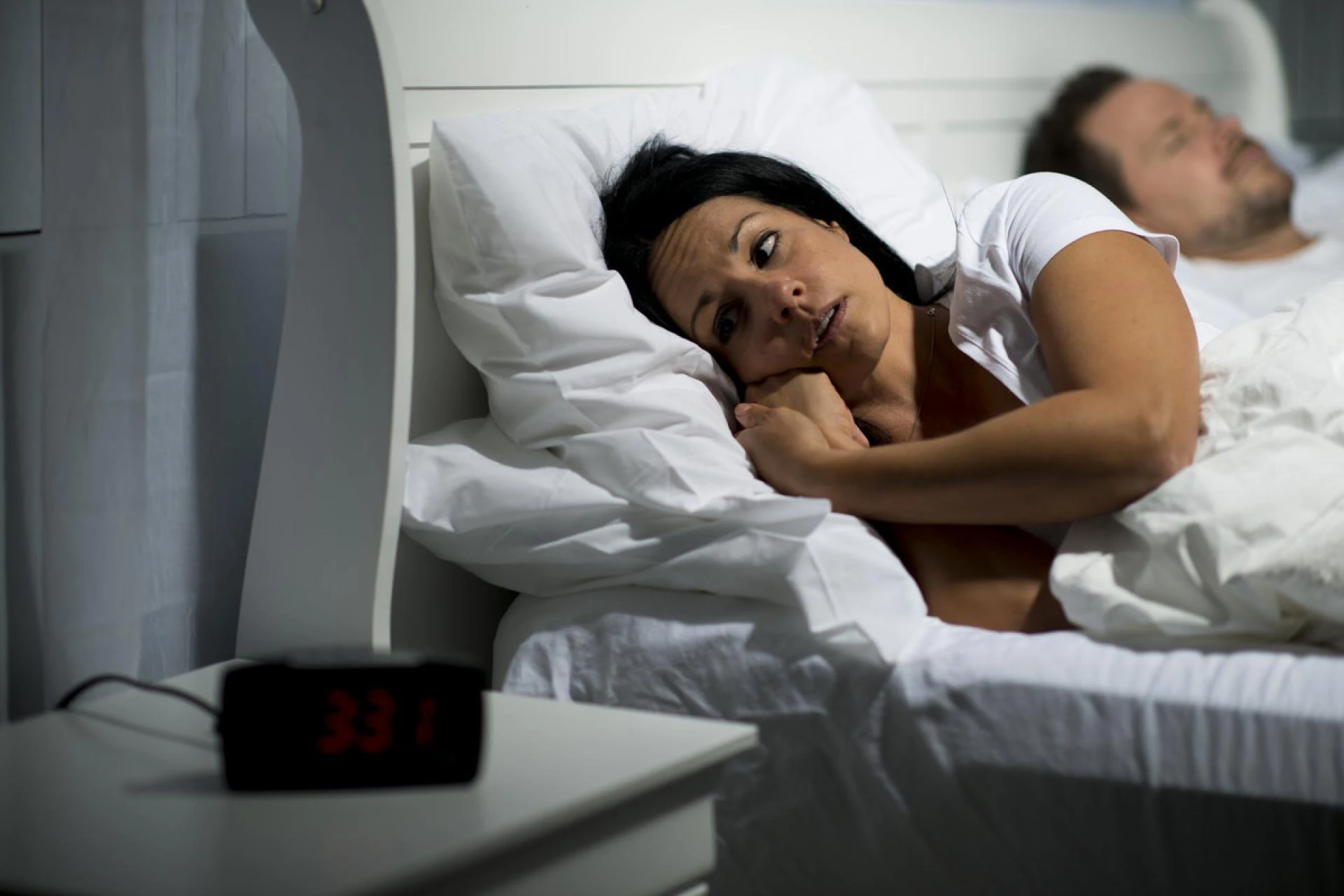

Poor sleep does not always feel urgent. It starts quietly with restless nights, daytime fatigue, and a sense that your body is never fully recovered. Over time, those small disruptions add up. They strain your heart, cloud your thinking, and increase the risk of serious health issues that often go unnoticed until symptoms worsen.
If you struggle with sleep apnea, insomnia, or breathing problems at night, the solution begins with understanding the impact on your body through Consultation and Education and taking action early. This guide explains how poor sleep affects your heart and brain, what warning signs to watch for, and how professional care in Rego Park can support long term sleep health.
How Better Sleep Protects Your Heart And Brain
Quality sleep is not a luxury. It is a daily repair system for your heart and brain. When sleep problems go untreated, the body stays in a constant state of stress that slowly damages vital systems.
Vector Sleep Diagnostic Center focus on helping adults identify sleep disorders early and create care plans that protect both physical and cognitive health. Below, we break down the key risks and the solutions that support long term wellness.

How Sleep Apnea Affects Your Heart
Sleep apnea repeatedly cuts off oxygen during the night. Each pause in breathing forces the heart to work harder.
- Increases blood pressure and strain on arteries
- Raises the risk of heart attack and irregular heartbeat
- Contributes to long term cardiovascular disease
When apnea is diagnosed and treated, the heart gets a chance to recover each night.
How Poor Sleep Harms Your Brain
Your brain uses sleep to clear toxins and reset neural pathways. Without deep, consistent rest, cognitive decline accelerates.
- Memory and focus weaken over time
- Mood regulation becomes harder
- Risk of stroke and dementia increases
Early testing and targeted care protect brain function and daily performance.
The Link Between Fatigue And Long Term Health Risks
Chronic fatigue is not just about feeling tired. It is often a signal that your body is under constant strain from poor sleep quality.
This section explains how untreated sleep disorders quietly increase serious health risks and why professional diagnosis matters.
Short Term Effects vs Long Term Damage
| Sleep Impact | Short Term Effects | Long Term Consequences |
|---|---|---|
| Poor oxygen flow | Morning headaches | Heart disease |
| Fragmented sleep | Daytime fatigue | Cognitive decline |
| High stress hormones | Mood swings | Stroke risk |
| Reduced deep sleep | Low focus | Memory loss |
Addressing sleep issues early reduces both immediate discomfort and future medical complications.
Why At Home Solutions Often Fall Short
Many adults try to manage sleep problems on their own. Over the counter aids and lifestyle changes help some people, but they rarely solve clinical sleep disorders.
Professional sleep studies reveal what is actually happening during the night. This data guides precise treatment that improves outcomes.
Professional Sleep Care That Supports Long Term Health
Effective care starts with accurate diagnosis. We use evidence based testing and customized treatment plans to address the root cause of sleep problems.
Our services focus on both symptom relief and long term protection for the heart and brain.
Our Specialized Services
- Sleep studies that capture real time breathing and brain activity
- Sleep apnea care with tailored therapy options
- Insomnia solutions that target behavioral and medical causes
- Specialized evaluations for complex sleep conditions
- Consultation and education for long term sleep management
Each service supports better sleep and reduces the health risks tied to untreated disorders.

What Makes Professional Diagnosis Different
A clinical sleep study provides insights no app or wearable can match. It measures oxygen levels, heart rate, brain waves, and breathing patterns.
This level of detail allows us to design care that improves sleep quality and protects vital organs.
Protect Your Heart And Brain Through Better Sleep
Poor sleep slowly affects every system in your body, but its impact on your heart and brain is especially serious. Sleep apnea, insomnia, and chronic fatigue increase the risk of cardiovascular disease, cognitive decline, and stroke when left untreated.
Early diagnosis and targeted care change that path. With the right support, better sleep becomes a powerful tool for long term health and daily energy.
Ready To Improve Your Sleep And Protect Your Health
Strong insulation improves a building’s efficiency by preventing energy loss. In the same way, quality sleep protects your body by reducing strain on vital systems. When rest is consistent, your heart and brain perform better every day.
We help adults Vector Sleep Diagnostic Center in Rego Park improve sleep quality through proven diagnostic and care solutions. Our team supports performance driven health goals with personalized treatment plans. Call us today at (718) 830-2800 to start your path toward better sleep and stronger health.
FAQs
How do I know if my sleep problems are affecting my heart
If you experience loud snoring, breathing pauses, morning headaches, or high blood pressure, your sleep may be stressing your heart. A professional sleep study provides clear answers and guides proper care.
Can insomnia really impact brain health
Yes. Chronic insomnia reduces the brain’s ability to repair itself during sleep. Over time, this affects memory, focus, and emotional balance.
What makes a sleep study necessary instead of home remedies
Home solutions cannot measure oxygen levels, heart rhythm, or brain activity. A clinical study identifies the exact cause of sleep disruption so treatment is accurate and effective.
How long does it take to see results from sleep apnea treatment?
Many patients notice better energy and focus within weeks. Long term benefits include improved heart health and reduced daytime fatigue.
Do I need a referral to schedule a sleep evaluation?
In most cases, you can contact us directly to begin the process. Our team guides you through each step from consultation to care planning.



Sign in to leave a comment.