Carpets deal with a lot every day. Dirt from shoes, food spills, pet hair, dust, and allergens slowly build up deep within the fibres. Regular vacuuming can be helpful, but it only removes surface-level dirt.
When you require deep carpet cleaning, a wise thing to do is to call professionals. They use specialised methods and equipment to clean carpets thoroughly, restore their appearance, and improve indoor hygiene.
Here’s a complete breakdown of how professional carpet cleaning works and why it delivers better results.
Step 1: Inspection and Preparation
The process usually starts with an inspection. Professionals check the carpet type, fabric, level of soiling, and any problem areas such as stains or high-traffic zones. This step is important because different carpets need different cleaning approaches.
Before deep cleaning begins, loose dirt and debris are removed through pre-vacuuming. This prevents dry particles from turning into mud during the wet cleaning process. Light furniture may also be moved to allow even cleaning across the carpeted area.
Step 2: Pre-Treatment of Stains and High-Traffic Areas
Next comes pre-treatment. Special cleaning solutions are applied to stains, spills, and heavily used areas. These solutions help break down oils, grease, and dirt trapped deep in the fibres. Pet stains and odours are often treated separately using neutralising products that target the source of the smell rather than masking it. This step makes a big difference in the final outcome, especially in homes with children or pets.
Step 3: Steam Cleaning (Hot Water Extraction)
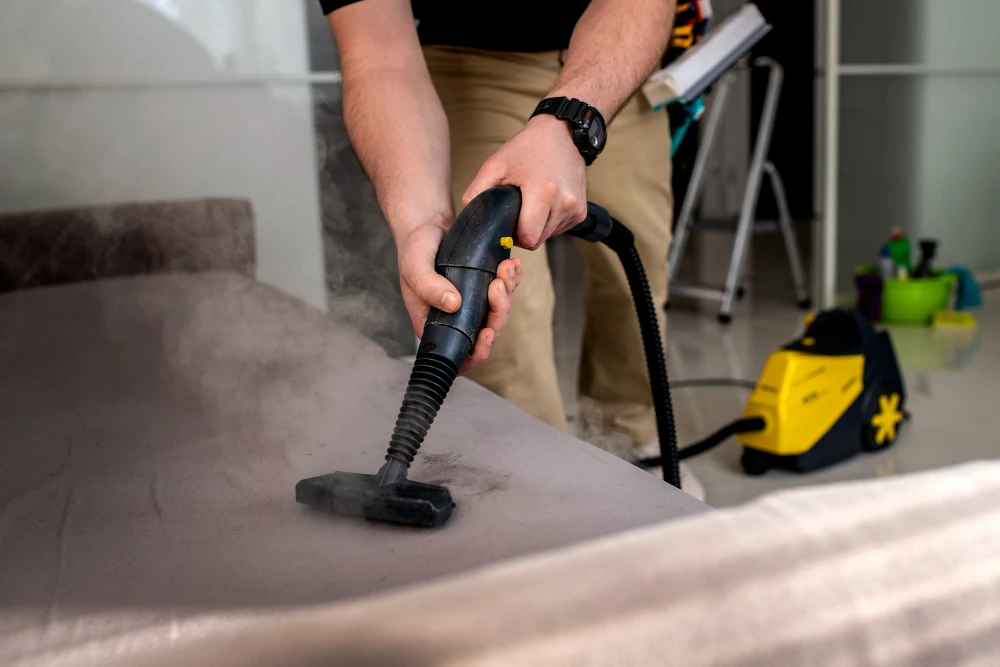
One of the most effective professional carpet cleaning methods is steam cleaning, also known as hot water extraction. Despite the name, it doesn’t rely on steam alone. Instead, hot water mixed with a cleaning solution is injected deep into the carpet fibres under pressure.
This process loosens embedded dirt, bacteria, allergens, and grime that regular cleaning can’t reach. Powerful suction then extracts the dirty water along with the loosened contaminants. This leaves the carpet deeply cleaned rather than just surface-fresh.
Steam cleaning is widely used because it is suitable for most carpet types and provides long-lasting results when done correctly.
Step 4: Rinsing and Fast Drying
After the main cleaning pass, carpets are often rinsed to remove any remaining residue. Professional machines use strong suction to remove as much moisture as possible, which helps carpets dry faster and reduces the risk of mould or odours.
Drying times vary depending on carpet thickness, airflow, and humidity, but professional equipment significantly speeds up the process compared to DIY methods.
Step 5: Finishing Touches
The final stage includes deodorising and sanitising treatments to leave carpets smelling fresh and hygienic. Carpet grooming may also be done to lift the fibres and create a uniform, well-finished look. Some people choose optional stain protection, which adds a protective layer to help carpets resist future spills and stains.
Final Thoughts
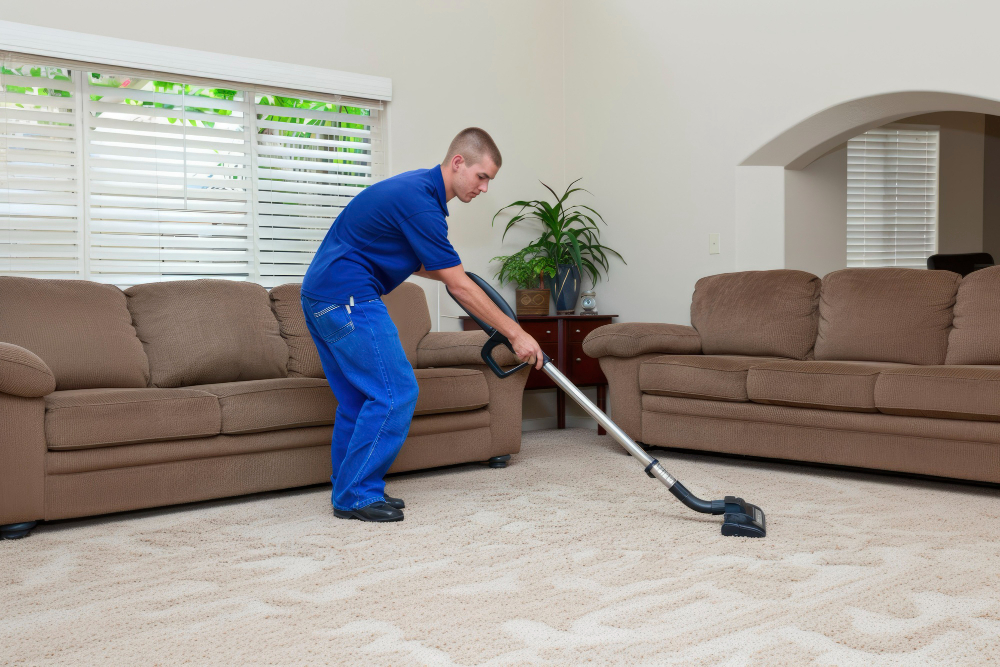
If you’re looking for deep carpet cleaning, professional cleaners are the best choice, as they use the right tools, correct techniques, and suitable cleaning solutions. Commercial-grade equipment reaches deeper into carpet fibres, removes more dirt, and extracts moisture effectively. This not only improves appearance but also extends carpet life and supports a healthier indoor environment.
Professional carpet cleaning goes beyond what daily cleaning can achieve. It follows a structured process and uses proven methods like steam cleaning, delivering cleaner, fresher, and longer-lasting results.
























Sign in to leave a comment.