
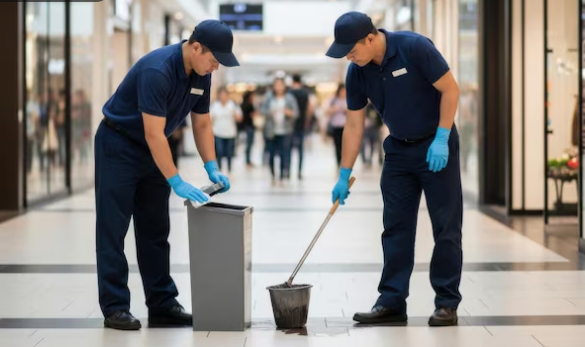
When you walk into any public sector workspace, one thing you’ll notice immediately is how clean and well-maintained it feels. That first impression matters more than you think. In these environments, hundreds or even thousands of people pass through daily. So, maintaining hygiene is important for protecting public health and ensuring smooth operations.
A well-planned approach to government and public sector cleaning helps reduce the spread of illness, creates a safer environment for employees and visitors, and supports better productivity. More importantly, it shows a commitment to care, responsibility, and professionalism.
Here’s a complete breakdown of how public sector workspaces can create a cleaner and healthier environment.
The Best Ways to Create a Cleaner, Healthier Public Sector Work Environment
Here’s how public sector buildings can keep their workspaces cleaner and healthier:
1. Build a Structured Cleaning Plan
The first step in effective government and public sector cleaning is having a clear plan. This should include daily, weekly, and monthly cleaning tasks tailored to each area of the workspace.
For example:
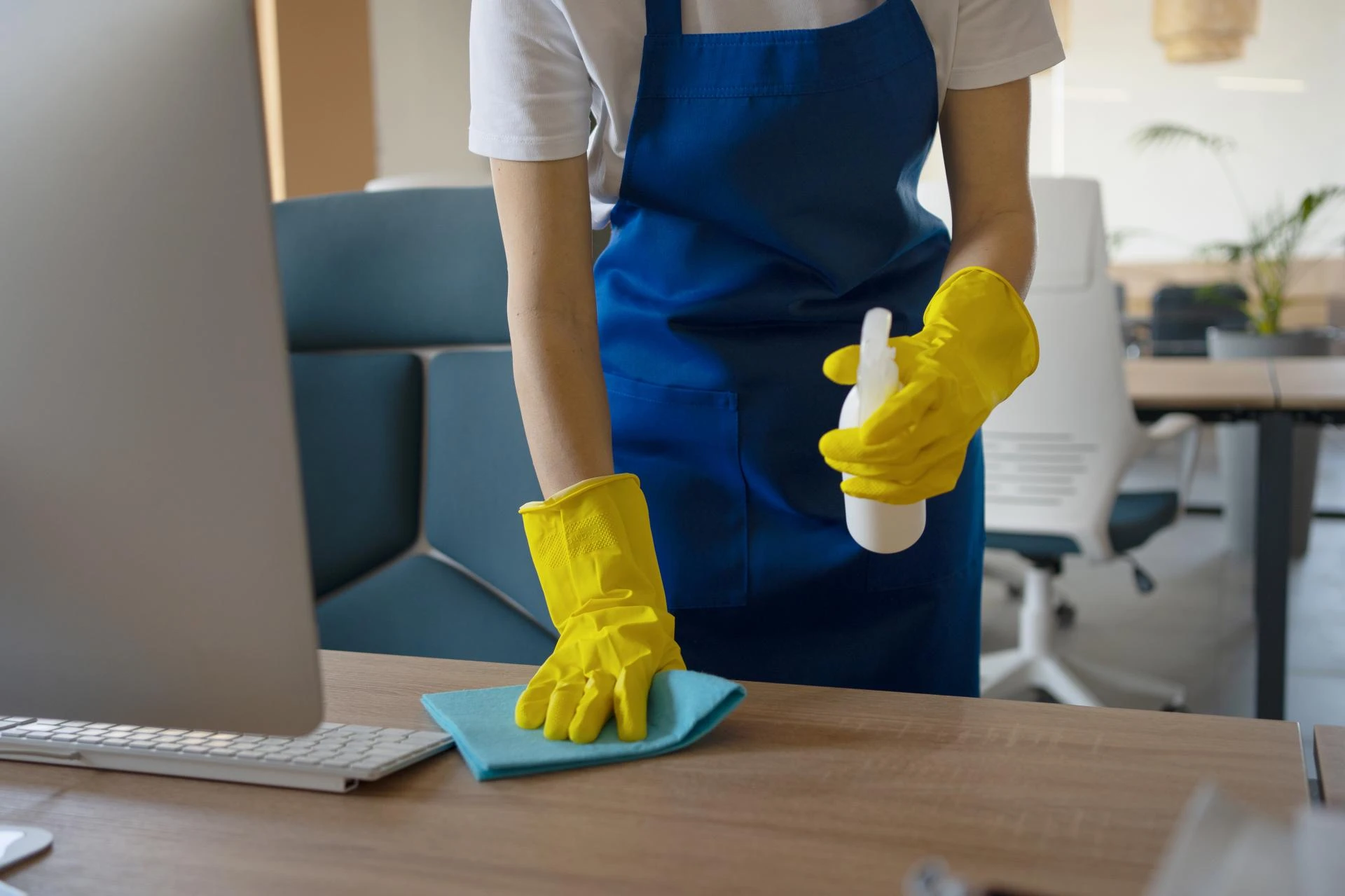
- Daily disinfection of high-touch surfaces like door handles and desks
- Regular cleaning of restrooms and shared spaces
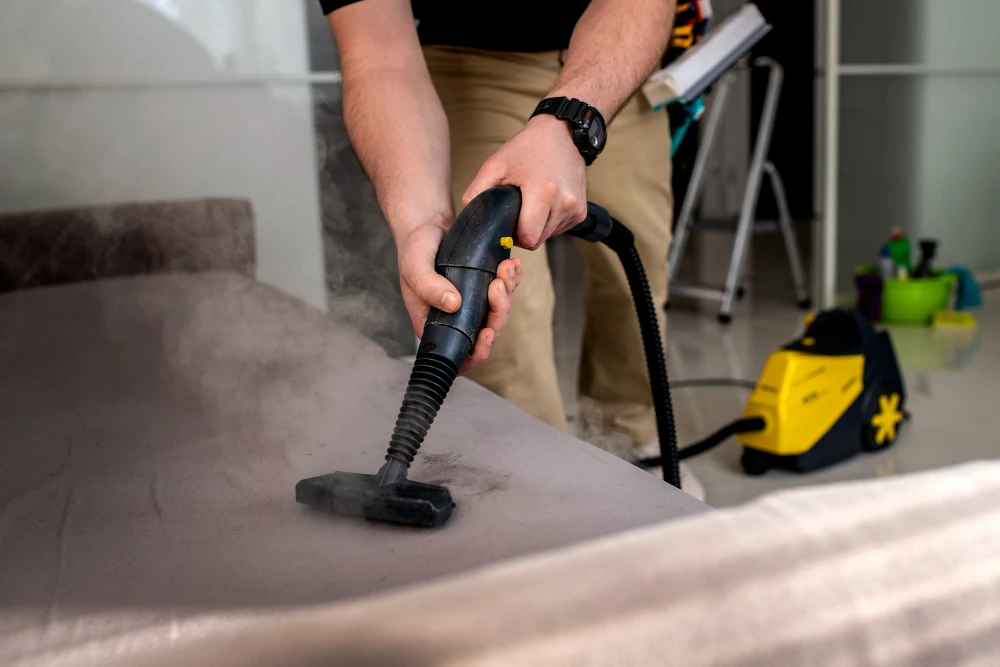
- Scheduled deep cleaning for carpets, ventilation systems, and equipment
A structured plan ensures consistency and helps maintain hygiene standards over time.
2. Focus on High-Traffic and High-Risk Areas
Certain areas require extra attention because they are used more frequently. These include:
- Reception areas
- Elevators and stair rails
- Washrooms
- Break rooms and cafeterias
Regular sanitisation of these spaces significantly reduces the spread of infections and keeps the environment safe for everyone.
3. Encourage Employee Participation
Cleaning is not only the responsibility of professional staff. Employees also play a key role in maintaining a healthy workspace.
Simple habits can make a big difference:
- Practising regular hand hygiene
- Keeping desks clean and clutter-free
- Reporting spills or maintenance issues immediately
Handwashing alone is one of the most effective ways to prevent infections and maintain hygiene in shared environments.
4. Invest in Professional Cleaning Services
Professional cleaning services bring expertise, equipment, and standardised processes that go beyond basic cleaning. They ensure:
- Proper disinfection techniques
- Use of safe and effective cleaning products
- Compliance with health and safety regulations
In public sector settings, this level of professionalism is critical to maintaining consistent standards and protecting vulnerable populations.
5. Use Sustainable Cleaning Practices
Sustainability is becoming increasingly important in public services. Using eco-friendly cleaning products and reusable materials helps reduce environmental impact while still maintaining hygiene. Green cleaning practices not only protect the environment but also improve indoor air quality and create a healthier workspace for employees and visitors.
6. Monitor and Improve Continuously
Maintaining cleanliness is an ongoing process. Regular inspections, feedback from staff, and performance tracking can help identify areas for improvement.
When public sector organisations continuously review cleaning practices, they can make sure they meet evolving health standards and public expectations.
Final Thoughts
Creating a cleaner, healthier public sector workspace requires consistent effort, clear planning, and shared responsibility. From structured cleaning routines to employee awareness and professional support, every step plays a role in maintaining high hygiene standards.
Investing in effective government and public sector cleaning is ultimately an investment in people. It protects health, improves day-to-day efficiency, and builds confidence among employees and the public. When cleanliness becomes a priority, public sector spaces can truly function as safe, welcoming environments for everyone who relies on them.


















Sign in to leave a comment.