

Mental health is a condition that is often referred to in very general terms; however, mental health professionals consider the matter with a great deal of defined structure, logic, and evidence-based techniques. Perhaps the biggest mistake that can be made in mental health is a belief that mental health can be determined by a simple rating of ‘healthy” vs. ‘unhealthy”. Simply put, a mental condition can exist on a spectrum that can only truly be assessed.
Professionals do not work with a single observation. Instead, professionals look at patterns of thoughts, feelings, behaviors, and functioning in order to understand what a person is psychologically exhibiting.
Mental Health as a Continuum
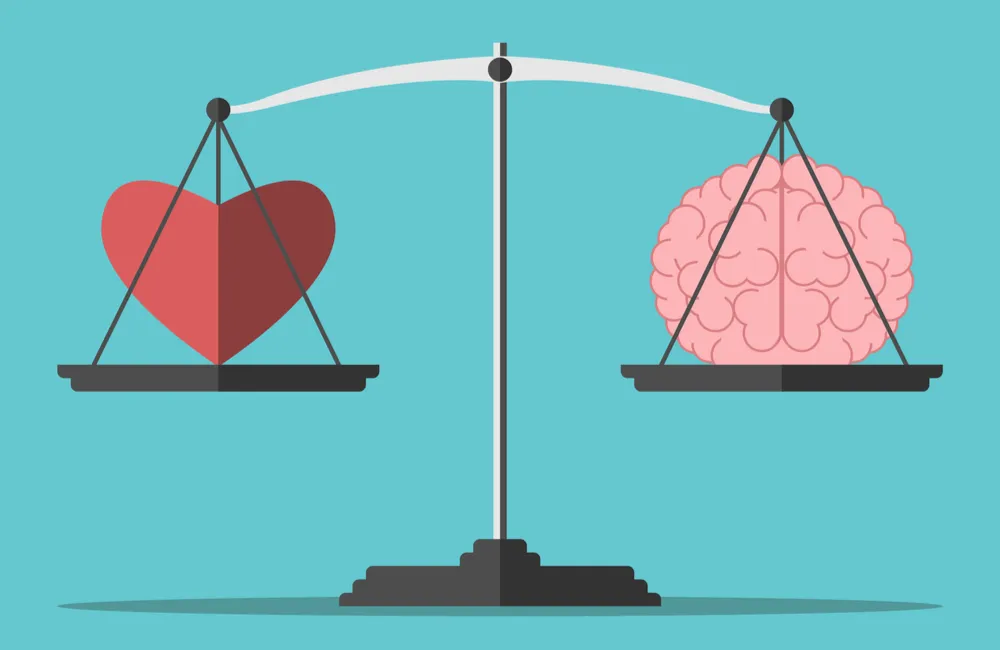
Instead of being two things that are opposite, mental wellness and mental illness are seen as things that exist on a continuum. Someone could feel emotionally resilient and satisfied with life while being able to cope with symptoms even if they have a diagnosable mental illness. Someone without a mental illness could also struggle with a lack of motivation, stress, or poor coping methods.
This nuanced understanding is central to how professionals evaluate mental wellness vs mental illness, ensuring assessments go beyond labels and focus on lived experience and functioning.
Initial Clinical Interview
The process of evaluation will often entail a clinical interview process as the first step. The person will undergo an interview process in which they will be questioned about their concerns and past as they relate to mental health.
The main areas considered in this report are:
- A shortcoming of Emotional Headache, by comparison to
- Thought processes and belief systems
- Behavior changes / Habits
- Stressors, relationships, and support systems
- Work, educational, or activity performance
We not only need to know the presenting symptom picture; we must know how these experiences relate to the ability of the individual to live meaningfully and effectively.
Symptom Severity and Duration
Professional therapists tend to look at symptom intensity and duration. Transient distress associated with a significant life event, such as bereavement or loss of a job, may represent a normal emotional reaction and not a mental disorder.
By contrast, symptoms that are chronic, worsening, or significantly debilitating for a person's life would be considered clinical symptoms. Duration, frequency, and level of intensity are helpful in establishing the level at which a challenge is situational rather than an actual disorder.
Functional Assessment
A key component of the assessment approach is determining the extent to which the individual is functioning. This involves looking at the following:
- Capabilities in managing responsibilities
- Quality of relationship
- Self-care and everyday activities
- Decision-making and problem-solving capabilities
Mental wellness is known to correlate with adaptability, emotional regulation, and coping skills. Mental illness can become a concern when challenges start impacting these functions consistently.
Use of Standardized Assessment Tools
Mental health practitioners rely on standardized and proven questionnaire techniques in order to aid their mental health diagnoses. Such techniques aid in assessing deposits of anxiety disorders, depression disorders, trauma, and difficulties in attention.
Although these tools offer important data, they are not employed independently. The data is interpreted with the help of personal observations as well as the personal story of the individual being assessed.
Diagnostic Criteria and Clinical Judgment
If symptoms meet certain criteria outlined in diagnostic books, professionals can diagnose mental illness. Nevertheless, diagnosis is not all that exists within assessment measures. Indeed, many professionals place an equal emphasis on learning about strengths and resilience as they do on difficulties and barriers.
In this regard, the clinical judgment function becomes essential. Two people could display identical symptomatology yet demand distinctly different interpretations depending upon the context and the individual's capacities for dealing with the stress of the symptom.
Cultural and Social Considerations
Mental health screening is not standardized for everyone. Experts factor in things like culture, social norms, and environmental conditions when screening for symptoms. What may be problematic behavior in one culture is acceptable in another.
Cultural issues such as financial problems, discrimination, exposure to trauma, as well as support availability, impact mental health. Practitioners consider such issues to prevent normal responses to challenging situations from being considered pathology.
Assessing Strengths and Protective Factors
Apart from symptom identification, practitioners also evaluate those factors that promote mental health. Such factors might entail:
- Emotional Awareness
- Strong relationships
- Problem-solving skills
- Sense of Purpose or Values
- Readiness for help-seeking
By recognizing their strengths, professionals can learn how to develop well-rounded plans that promote growth instead of just focusing on the elimination of symptoms.
Ongoing Assessment Over Time
Evaluations of mental health can, and should, occur multiple times over the path of treatment. Furthermore, someone who came in initially distraught can begin displaying good coping strategies and emotional regulation despite the presence of some bothersome symptoms.
This dynamic perspective views the reality of mental health as one that changes across time and is affected by intrinsic and extrinsic factors. Mental wellness counseling can play pivotal role in this regard. The professional guidance and assistance of a mental health professional can make significant improvement.
Why This Distinction Matters
This knowledge can help alleviate the stigma attached to mental health assessments because it illustrates how mental illness is not something one has failed at, but mental wellness is not the lack of symptoms either.
This will help inform the right measures to take to take care of the individual through therapy, medicine, lifestyle changes, and preventive measures. It will also enable the individual to understand their mental well-being on their own.
A Balanced Perspective on Mental Health
Professionals approach mental health by leading with compassion, curiosity, and the need for complex thinking. A consideration of symptoms, functioning, strengths, and context allows for a movement beyond strict labeling toward a holistic understanding of the individual.
This thoughtful process ensures that the care provided is tailored, respectful, and effective to support recovery and long-term mental wellness in all its forms.































Sign in to leave a comment.