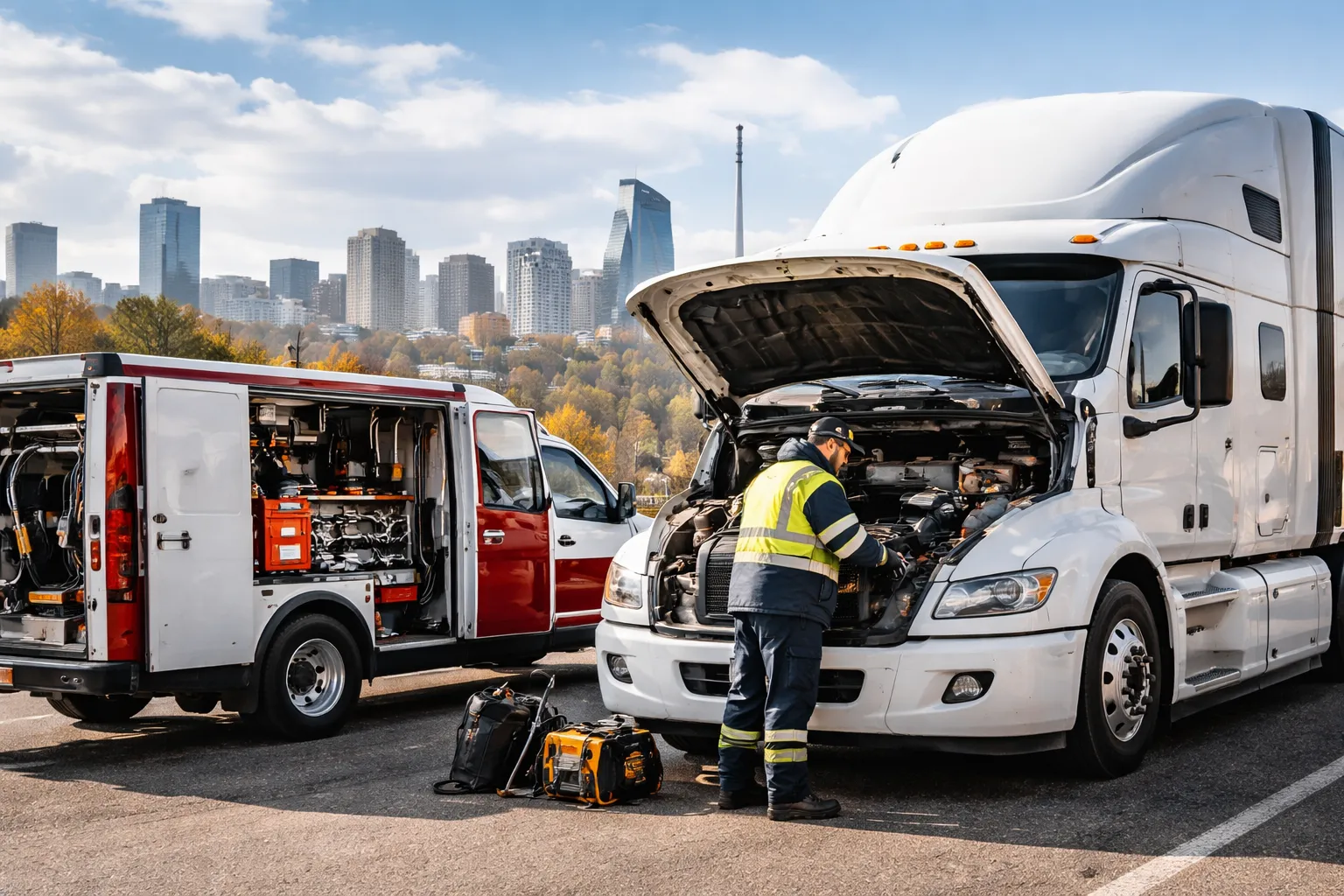

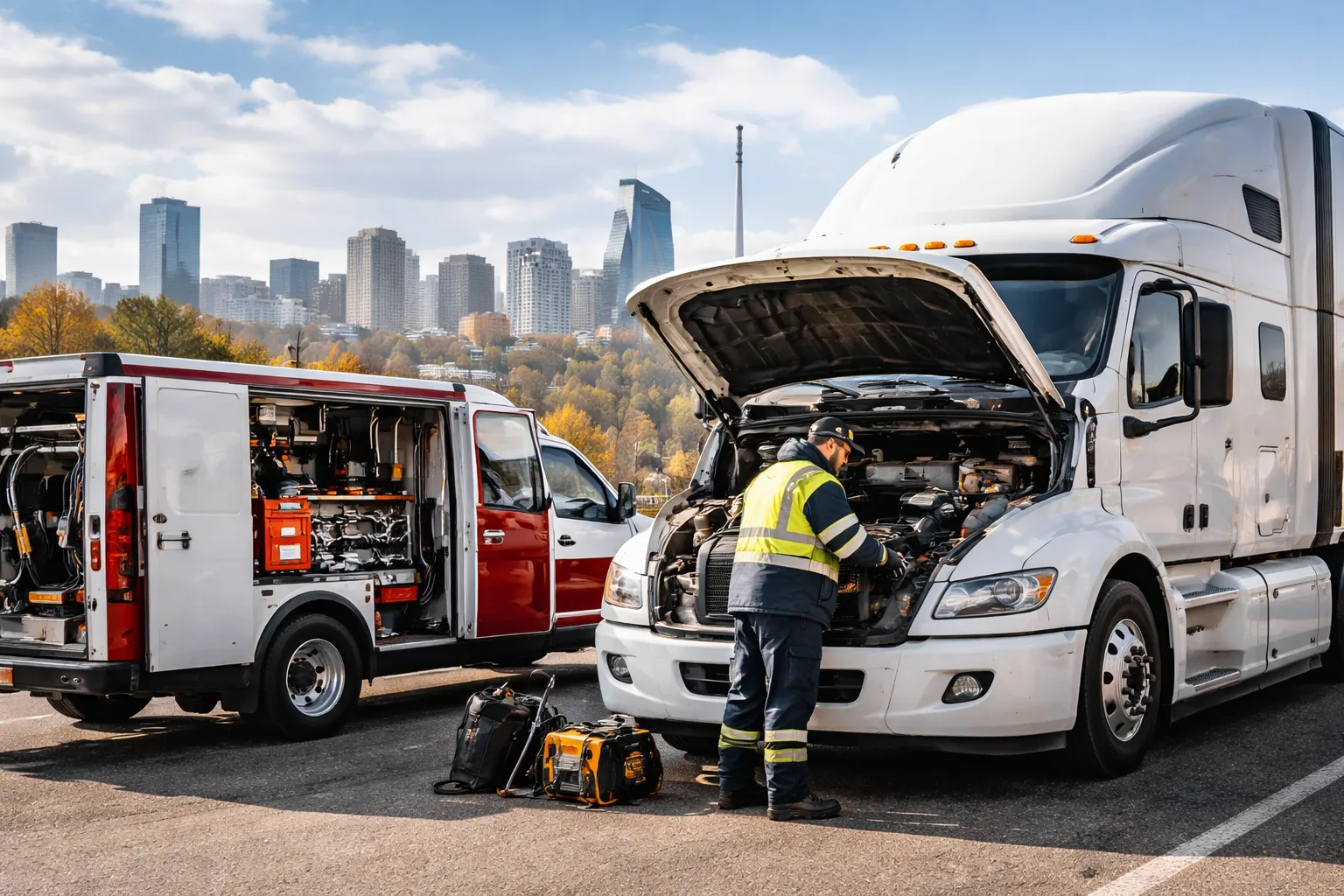
In the logistics and freight industry, time is the most valuable currency a company has. A single breakdown on a busy highway can ripple through an entire supply chain, delaying not just one shipment but every delivery scheduled after it. Customers expect their goods to arrive on time, warehouses expect trucks to follow tight loading and unloading windows, and drivers are often working against hours of service regulations that leave little room for unexpected delays. This is why quick roadside repairs have become such a critical part of keeping the transportation industry moving efficiently.
The Real Cost of a Breakdown
When a commercial vehicle breaks down, the financial impact goes far beyond the cost of the repair itself. Every hour a truck sits idle on the shoulder of a highway represents lost revenue, missed delivery windows, and potential penalties from clients who depend on predictable scheduling. Fleet managers often calculate downtime costs in the hundreds of dollars per hour once fuel, driver wages, lost cargo value, and contractual penalties are factored in. For owner operators, the stakes are even higher since a single delayed load can affect their entire week's income.
Beyond the direct financial hit, breakdowns also create safety concerns. A disabled truck on the side of a busy interstate poses risks to the driver and to other motorists. The longer a vehicle remains stranded, the greater the chance of a secondary incident occurring nearby. This combination of financial pressure and safety risk is exactly why fast, reliable roadside assistance matters so much in this industry.
Why Speed Matters More Than Ever
Modern supply chains operate on tight margins and even tighter schedules. Just in time delivery models mean that warehouses and retailers often carry minimal inventory, relying instead on a steady and predictable flow of incoming goods. When a truck is delayed, it does not just affect that single delivery. It can disrupt restocking schedules, production lines waiting on raw materials, and even retail shelves that depend on consistent replenishment.
This is where the value of rapid response repair services becomes clear. Instead of waiting hours for a tow truck to haul a vehicle to a distant shop, having access to a service capable of performing diagnostics and repairs directly at the roadside can save enormous amounts of time. Many common issues, such as flat tires, alternator failures, brake problems, or minor engine faults, can often be resolved on site without the need for towing at all.
What Roadside Repair Services Typically Cover
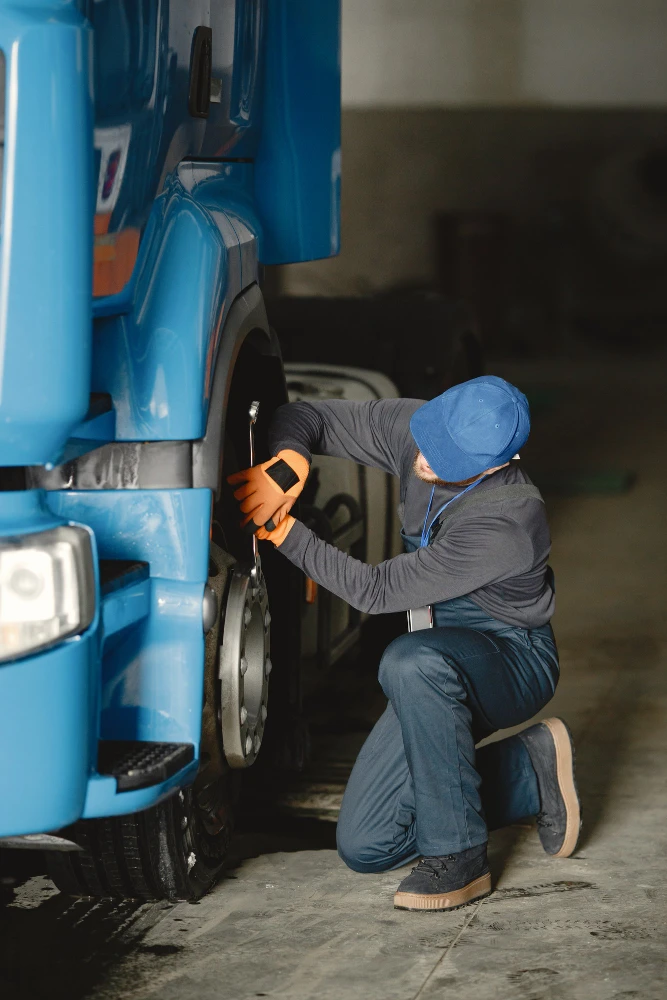
Roadside repair providers are generally equipped to handle a wide range of mechanical issues that commercial trucks commonly experience. These can include tire replacement and repair, battery jump starts and replacements, fuel delivery for vehicles that have run out, brake adjustments, electrical troubleshooting, and minor engine repairs. Some providers also offer trailer repairs, including light fixtures, brake systems, and door mechanisms that can prevent a load from being legally transported until fixed.
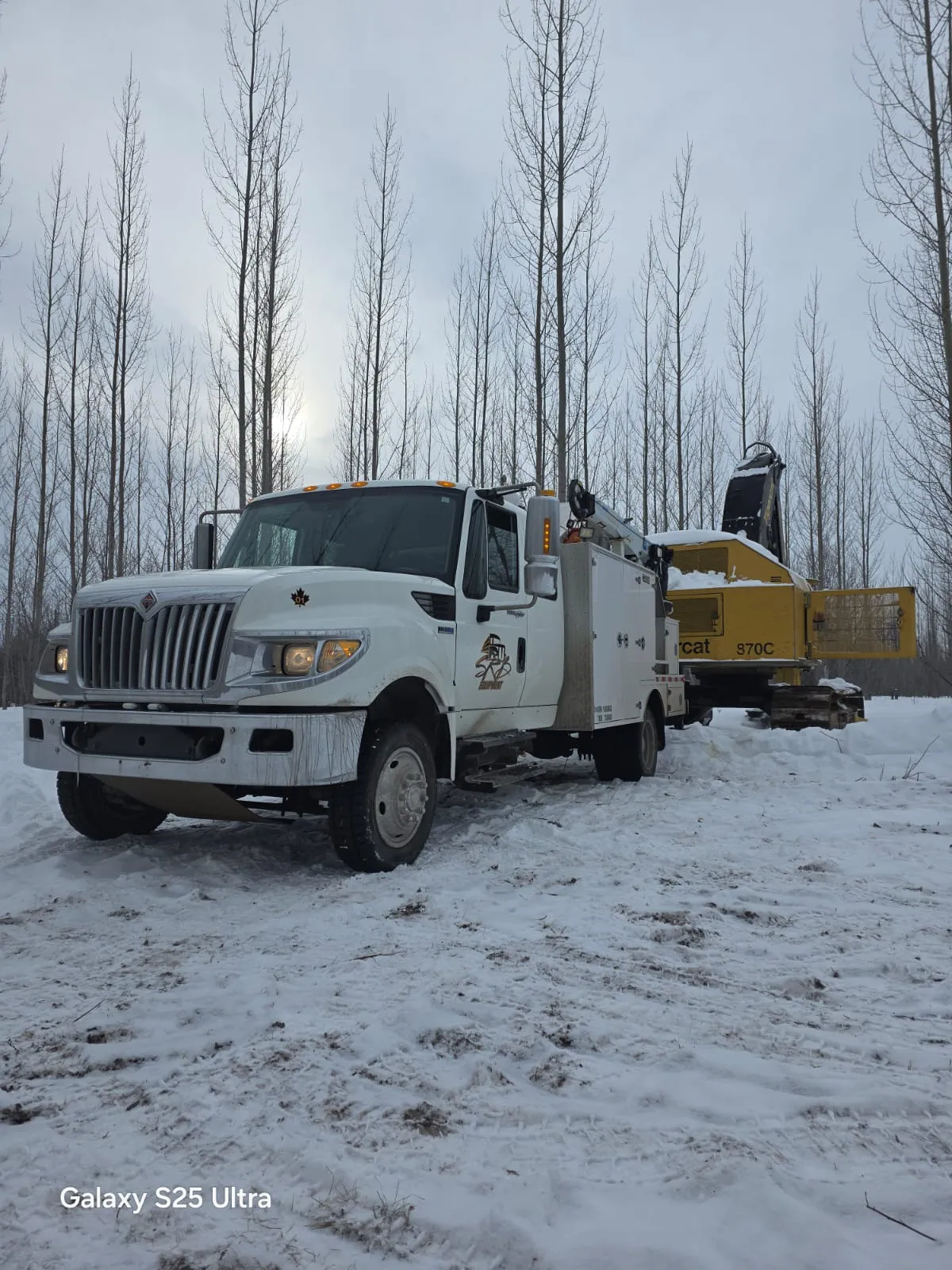
Companies like SRB Equipment have built their reputation around responding quickly to these situations, understanding that every minute a truck sits still is a minute that affects the broader supply chain. Having a dependable partner that can dispatch trained technicians equipped with the right parts and tools makes a measurable difference in how quickly a fleet can recover from an unexpected mechanical issue.
The Role of Mobile Truck Repair
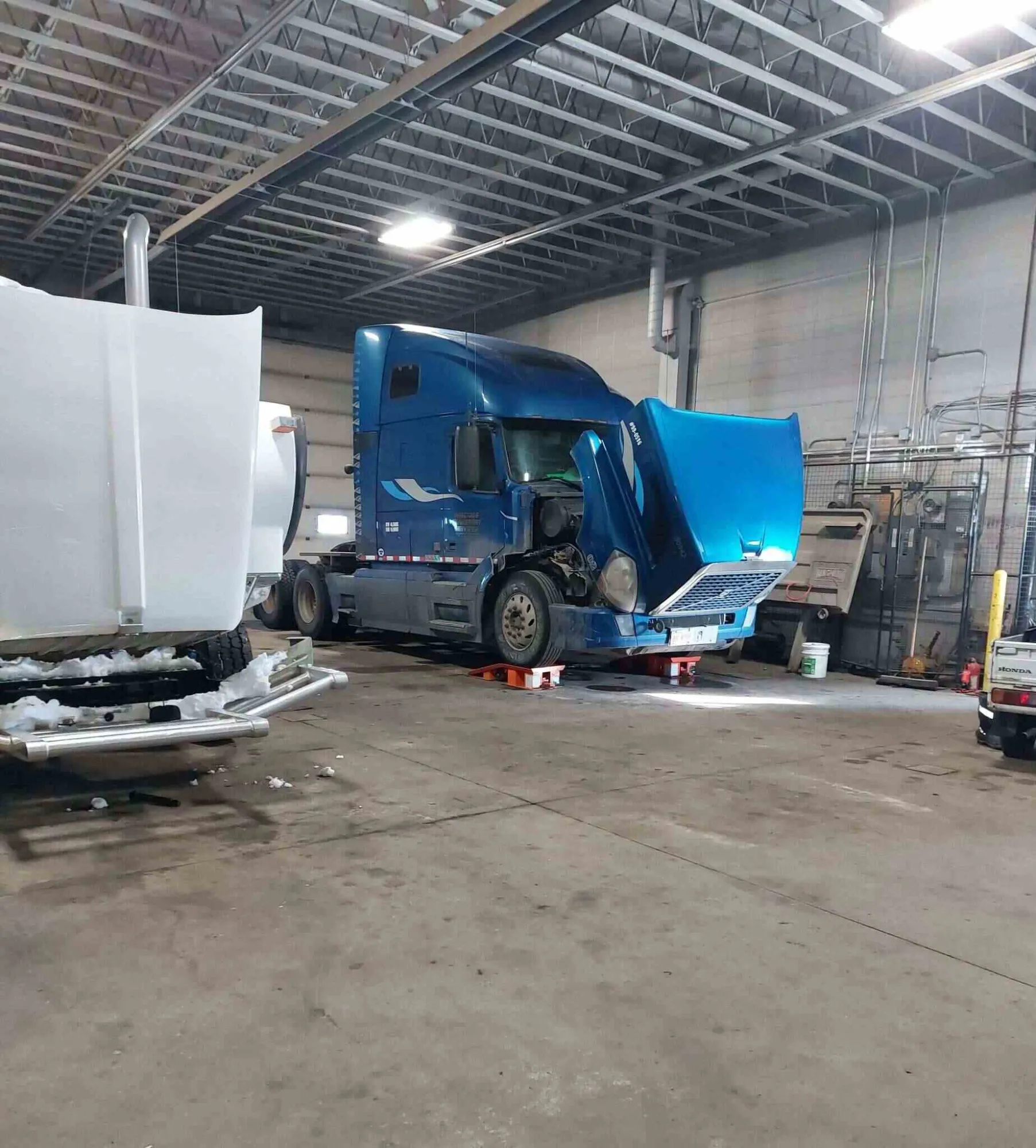
One of the most significant advancements in this space has been the growth of mobile truck repair services. Rather than requiring a vehicle to be towed back to a fixed shop location, mobile repair units travel directly to the truck, wherever it happens to be stranded. This approach eliminates the time lost in arranging a tow, transporting the vehicle, and waiting in a shop queue behind other repair jobs.
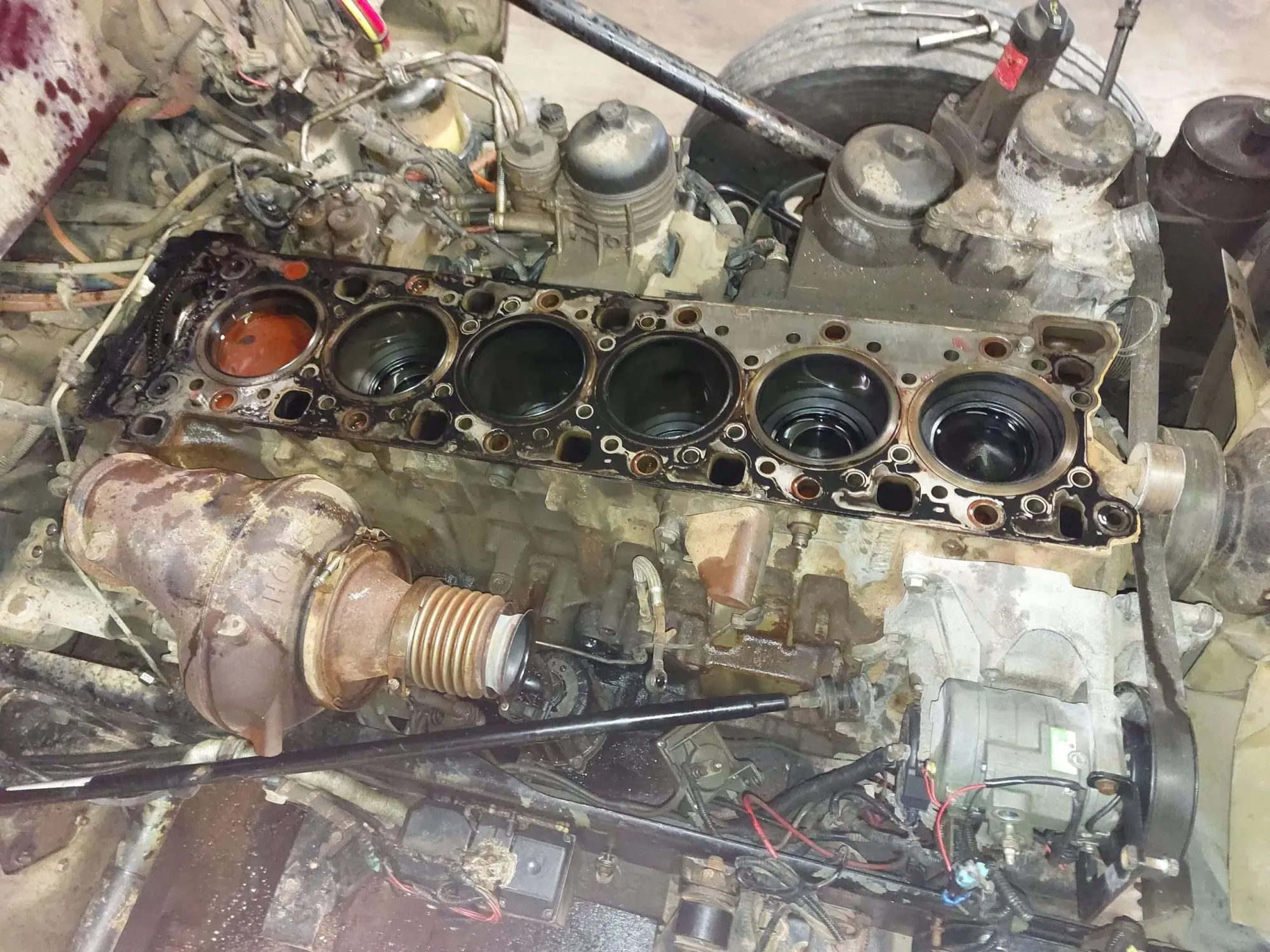
Mobile units are typically outfitted with diagnostic equipment, common replacement parts, and the tools needed to handle a wide variety of repairs on the spot. For fleet operators, this means breakdowns that might have once caused a full day of downtime can sometimes be resolved within an hour or two. The ability to fix a truck where it sits, rather than where the nearest shop happens to be located, has transformed how the trucking industry approaches unexpected mechanical failures.
Preventive Maintenance Still Plays a Role
While quick roadside repairs are essential for handling emergencies, they work best as part of a broader maintenance strategy rather than a replacement for regular upkeep. Fleets that invest in routine inspections, scheduled service intervals, and proactive part replacement tend to experience fewer breakdowns overall. However, even the best maintained fleets will occasionally encounter unexpected issues, whether from road debris, extreme weather conditions, or simple wear and tear that surfaces between scheduled services.
This is why having a reliable roadside repair partner is not a substitute for preventive maintenance but rather a necessary complement to it. Fleet managers who combine strong maintenance programs with fast emergency response capabilities are best positioned to minimize total downtime across their operations.
Choosing the Right Repair Partner
For fleet operators and owner operators alike, choosing a roadside repair provider involves more than just finding the cheapest option. Response time, geographic coverage, technician expertise, and availability of common parts all play a role in determining how quickly a vehicle can get back on the road. A provider with a wide service area and a track record of fast dispatch times can mean the difference between a thirty minute delay and a multi hour ordeal.
It also helps to work with providers who understand the urgency inherent in commercial trucking. Unlike passenger vehicle repairs, where a delay of a few hours might be a minor inconvenience, a delayed commercial truck can set off a chain reaction of missed appointments, contractual penalties, and frustrated customers. Providers who grasp this urgency tend to prioritize commercial roadside calls accordingly.
Final Thoughts
The trucking and logistics industry depends on reliability, and reliability depends on the ability to respond quickly when things go wrong. Quick roadside repairs are not simply a convenience but a fundamental part of keeping supply chains functioning smoothly. By minimizing downtime, reducing safety risks, and getting trucks back on the road faster, these services help ensure that deliveries stay on schedule even when the unexpected happens.
As the industry continues to evolve, the demand for fast, dependable repair solutions will only grow. Fleets that prioritize strong relationships with responsive repair providers position themselves to handle disruptions with minimal impact, keeping both their customers and their bottom line on track.


























Sign in to leave a comment.