
Indoor air pollution is something many people overlook, even though it affects our daily lives more than we realize. Because we spend almost 90% of our time inside offices, homes, schools, or malls, the air we breathe indoors directly impacts our health, comfort, and productivity. What’s even more concerning is that indoor air can often be more polluted than outdoor air.
Real-time air quality monitoring changes this. With an aqi monitor, building owners, facility managers, and even residents can finally understand what is happening in the air around them. Having real-time data on pollutant levels allows quick action, better ventilation, and healthier indoor environments.
Below, we break down how real-time AQI data works, why it matters, and how modern technology is transforming the way buildings protect people from indoor pollution.
The Importance of Measuring Indoor Air Quality Today
Indoor pollutants come from many everyday sources such as:
- Dust
- Outdoor PM2.5
- High CO₂ from crowded rooms
- VOCs from paints, carpets, and furniture
- Odors from kitchens and washrooms
- These pollutants don’t just create discomfort—they affect:
- Attention and cognitive ability
- Breathing health
- Fatigue levels
- Productivity
- Overall well-being
How Real-Time Data Helps
Real-time AQI readings allow you to respond quickly:
- Rising CO₂ → improve ventilation
- High PM2.5 → increase filtration
- Sudden VOC spikes → identify pollution sources
This ability to respond instantly is the biggest strength of real-time AQI monitoring.
Multi-Sensor Technology Enables More Reliable Indoor Monitoring
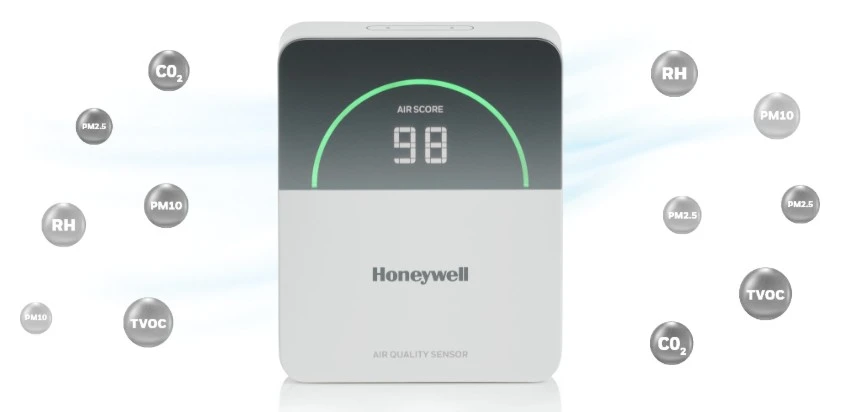
Modern AQI devices use multi-sensor technology to measure several indoor parameters at once. A contemporary aqi monitoring device provides a complete and accurate picture of indoor air quality.
What These Sensors Detect
- CO₂ – affects alertness and focus
- PM2.5 – tiny harmful particles affecting lungs
- TVOC – gases released from furniture, printers, and cleaners
- Temperature & humidity – control comfort and airflow
With instant access to all these values, users can identify pollution sources early and take corrective steps before they affect health.
Smart Integration with Building Management Systems
One of the biggest advantages of modern AQI devices is their ability to integrate seamlessly with Building Management Systems (BMS). Devices that support Modbus or BACnet can send real-time air data to a central system, allowing operators to monitor several zones at once.
Benefits of This Integration
- Auto-adjust ventilation
- Maintain filtration efficiency
- Optimize temperature and humidity
- Reduce energy waste
- Improve overall indoor comfort
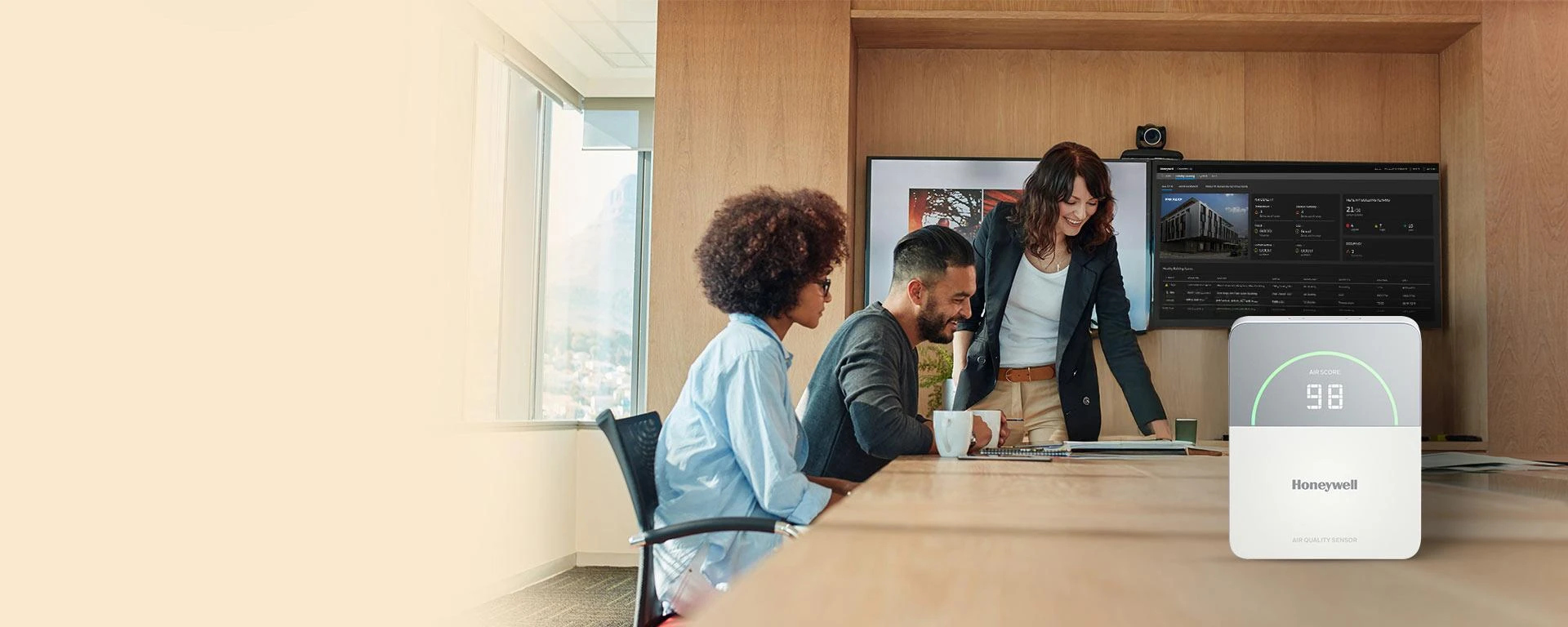
Paired with smart dashboards, users can visualize air quality throughout the entire building from one place.
Built for Accuracy and Long-Term Stability
Older air sensors often lose accuracy over time, but modern AQI monitors are pre-calibrated and designed to maintain long-term precision.
Key Benefits
- No manual recalibration needed
- Consistent data for long-term decisions
- Lower maintenance
- Reliable measurements for sensitive areas (e.g., hospitals)
Firmware updates delivered through the network keep the device up-to-date with new features and improvements, saving time and making it future-ready.
Simple and Clear Color-Based Indicators
Not everyone understands technical pollutant readings. That’s why many AQI monitors use colored LED rings to display air quality:
- Green → Good
- Yellow → Moderate
- Red → Poor
Users can also switch to a neutral white mode if preferred. Facility managers can choose which parameters to display, making the interface user-friendly.
Air Quality Score: One Easy Number for Everyone
Many AQI devices now offer a simple Air Quality Score — a number from 1 to 100 that reflects how healthy the air is. This score is based on CO₂, PM2.5, and TVOC readings (or CO₂ alone in certain models).
This single number helps both occupants and building operators understand air quality instantly without technical knowledge.
Multiple Dashboards for Quick and Clear Insights
Modern air quality systems allow users to slide through screens and check different parameters individually. With one glance, users can view:
- CO₂ levels
- PM2.5 levels
- TVOC concentration
- Air Quality Score
- Color-coded air status
This real-time clarity helps occupants feel safe and confident about the indoor environment.
How AQI Data Improves Health, Focus & Productivity
Cleaner indoor air leads to:
- Fewer headaches
- Reduced allergies
- Better focus
- Increased comfort
- Stronger immunity
This is why businesses, schools, malls, and hotels are now taking air quality seriously. Many buildings combine real-time AQI data with filtration systems for an added layer of purification, using technology from brands like Honeywell.
Final Thoughts
Real-time AQI monitoring is no longer optional—it’s a necessity for modern buildings. Whether it’s an office, apartment, hospital, or commercial space, understanding indoor air quality helps protect people and improve daily comfort.
With multi-sensor technology, dashboard insights, easy BMS integration, and long-term accuracy, an advanced AQI monitor gives complete control over indoor air.



























Sign in to leave a comment.