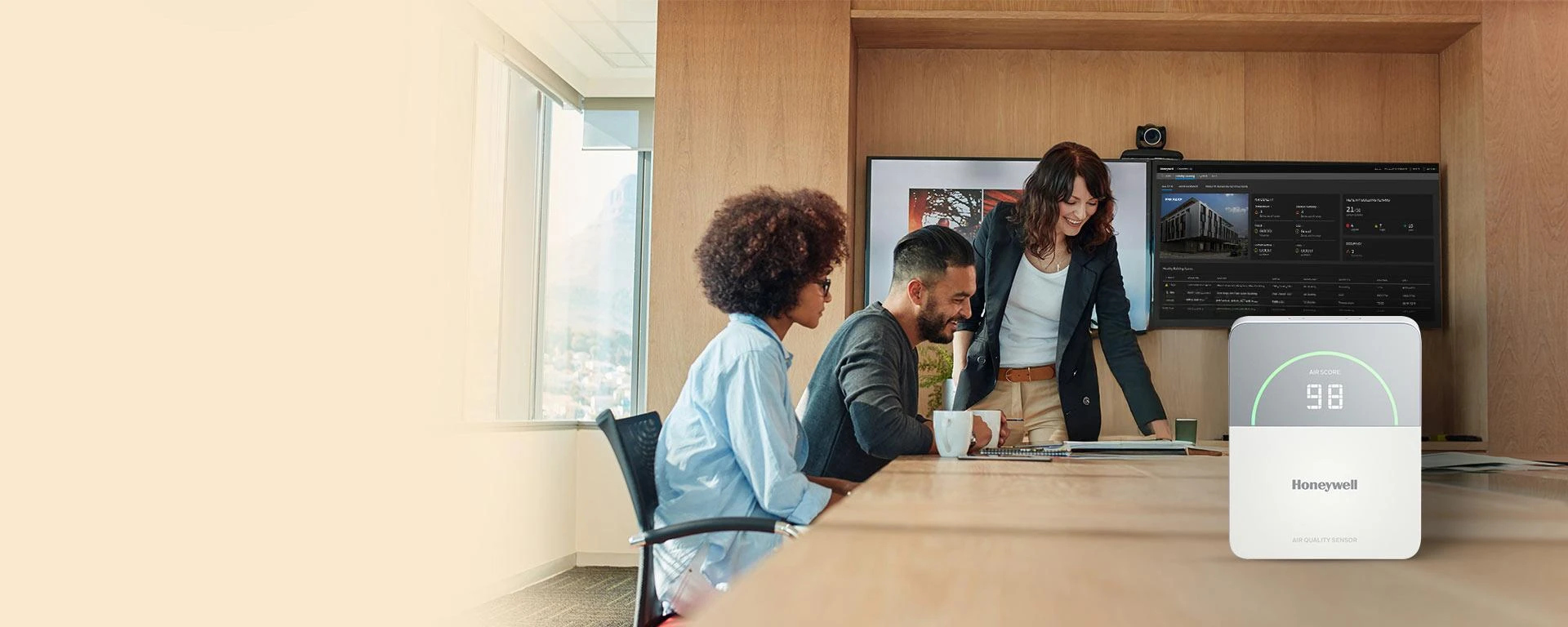

Indoor air quality has become a serious talking point across India, especially in cities where pollution levels fluctuate daily. Offices, hospitals, schools, malls, and residential complexes are now recognizing that outdoor air is only part of the problem. What happens inside buildings—where people spend most of their time—has a direct impact on health, comfort, and productivity. As expectations around healthier indoor environments rise, real-time air monitoring is emerging as a practical and data-driven solution.
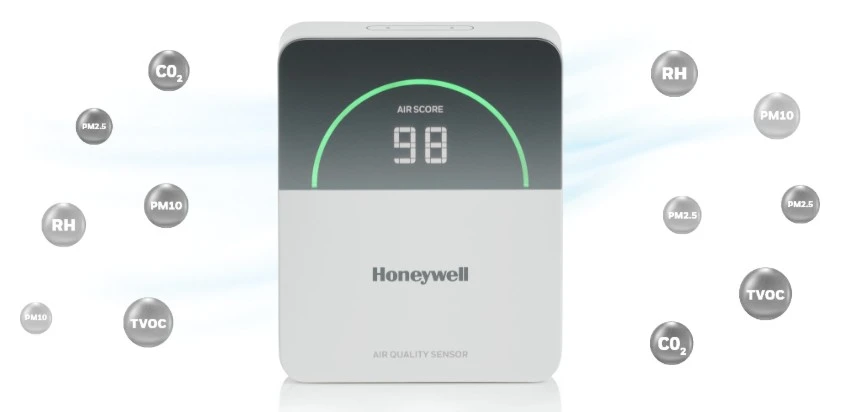
In many Indian buildings, ventilation systems operate without clear visibility into actual indoor conditions. This is where an air quality meter plays a critical role, helping facility teams move beyond assumptions and rely on measurable data. By tracking pollutants, temperature, humidity, and other parameters, building owners gain a clearer picture of what occupants are breathing every day.
The Shift Toward Data-Driven Indoor Air Management
Modern buildings are no longer judged solely by design or location. Occupants now expect transparency and consistency in indoor comfort, particularly in shared spaces. A reliable air quality monitor supports this shift by providing continuous insights rather than periodic checks. For commercial spaces such as IT parks and healthcare facilities, this information helps teams respond quickly to changing conditions and maintain healthier environments.
What makes monitoring especially relevant in India is the diversity of indoor challenges. Seasonal smog, construction dust, humidity, and high occupancy levels all affect indoor air differently. Instead of relying on generic solutions, organizations are increasingly turning to real-time data to fine-tune ventilation strategies and maintenance schedules.
When evaluating indoor air monitoring solutions, decision-makers often look for:
- Accurate, real-time readings that reflect actual indoor conditions
- Easy integration with building management systems
- Reliable performance with minimal manual intervention
For many organizations, installing an aqi monitor is the first step toward understanding indoor pollution trends over time. It allows facility managers to correlate indoor conditions with occupancy patterns, outdoor pollution levels, and HVAC performance, leading to more informed operational decisions.
Technology, Trust, and Long-Term Value
Choosing the right monitoring solution is about more than numbers on a display. It involves trust in the technology and the company behind it. Honeywell, a Fortune 100 organization, has long focused on inventing and manufacturing technologies that address global challenges related to safety, energy efficiency, and sustainability. With approximately 110,000 employees worldwide, including more than 19,000 engineers and scientists, the company brings deep technical expertise to indoor environmental solutions.
In large facilities, pairing an air quality meter with automation systems enables proactive maintenance and consistent air standards across multiple zones. Similarly, a well-integrated air quality monitor helps organizations demonstrate their commitment to occupant well-being, which is increasingly valued by employees, visitors, and regulators alike.
Residential awareness is also growing. Urban homeowners are becoming more conscious of indoor pollution, especially during peak pollution months. While air cleaners address particulates, an aqi monitor provides the visibility needed to understand when and why indoor air quality changes, empowering residents to take timely action.
As India continues to urbanize and modernize its infrastructure, expectations around indoor environments will only increase. Real-time air monitoring is no longer a niche feature; it is becoming a foundational element of responsible building design. By relying on accurate data rather than guesswork, Indian buildings can create indoor spaces that are healthier, more comfortable, and better aligned with future-ready standards.
FAQs
Q1. Why is indoor air monitoring important for Indian buildings?
Indoor monitoring helps identify hidden pollutants and comfort issues that are not visible but can affect health, productivity, and overall occupant experience.
Q2. Can air monitoring support energy efficiency goals?
Yes, real-time data allows building managers to optimize ventilation and HVAC operations, avoiding overuse while maintaining healthy air standards.
Q3. Is indoor air monitoring useful for residential spaces as well?
Absolutely. It helps homeowners understand daily air quality patterns and take informed steps to improve indoor comfort and hygiene.

























Sign in to leave a comment.