

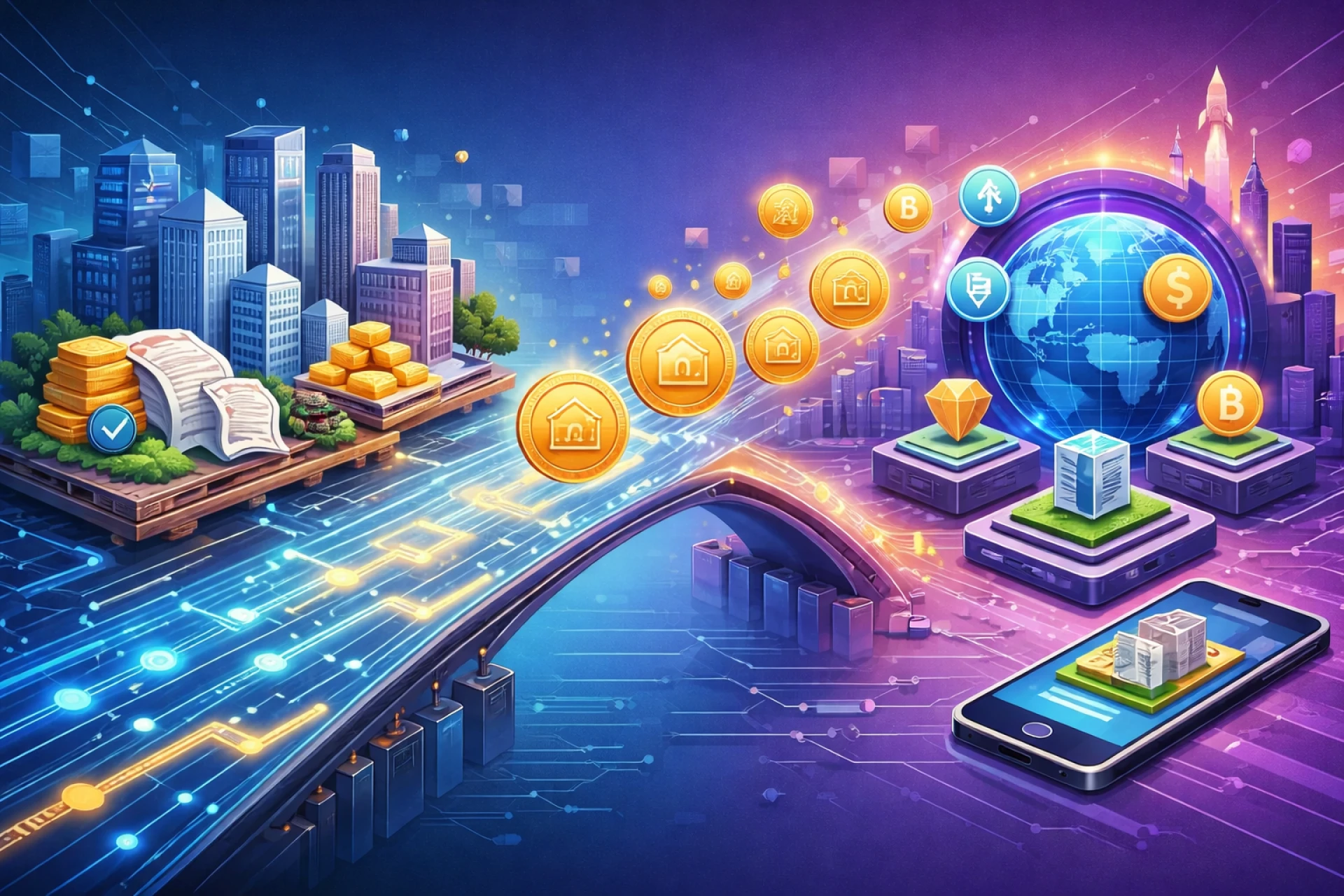
Capital markets are undergoing one of the most significant transformations since the digitization of trading systems. While electronic exchanges improved speed and accessibility, they did not fundamentally change how assets are issued, owned, or transferred. Today, that deeper transformation is being driven by Real World Asset Tokenization. By converting physical and traditional financial assets into blockchain-based digital representations, tokenization is reshaping how capital flows across global markets.
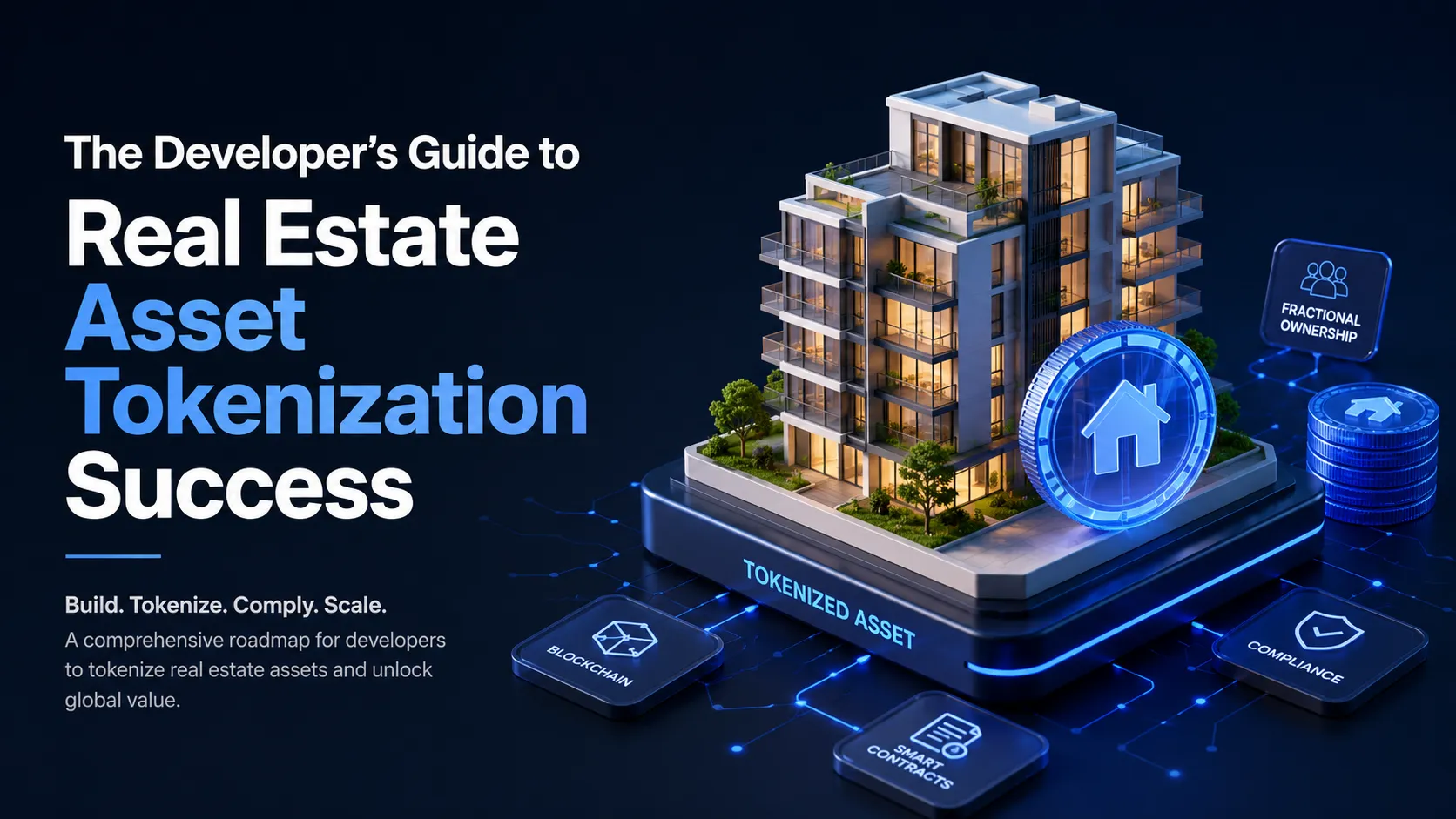
At the center of this shift lies real world asset tokenization platform development. These platforms are not simply technical tools. They are becoming the backbone of next-generation capital markets by enabling fractional ownership, real-time settlement, programmable compliance, and global investor participation. As institutions seek efficiency, transparency, and liquidity, tokenization platforms are emerging as the new financial infrastructure layer.
This article explores how tokenization platforms are redefining capital markets, the technological and regulatory forces behind their rise, and the methods enterprises are using to deploy them at scale.
Understanding Real World Asset Tokenization in Capital Markets
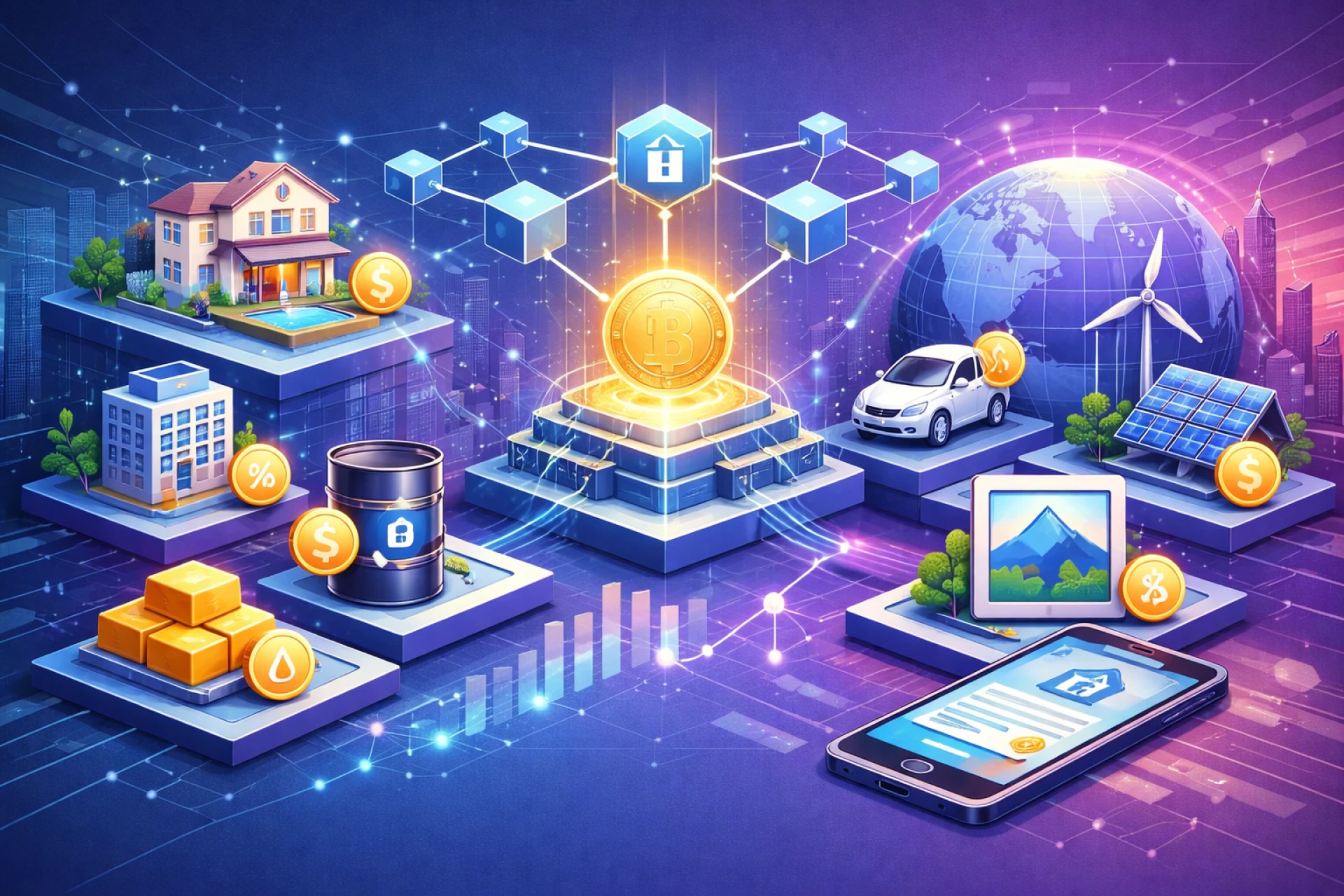
Real World Asset Tokenization refers to the process of representing ownership rights of physical or traditional assets as digital tokens on a blockchain. These assets can include real estate, commodities, bonds, private equity, infrastructure projects, art, and even revenue-generating contracts.
In capital markets, tokenization changes the asset lifecycle itself. Instead of relying on fragmented intermediaries and manual reconciliation, tokenized assets operate within a shared digital ledger where issuance, transfer, and settlement occur seamlessly. This shift reduces friction while increasing trust and auditability.
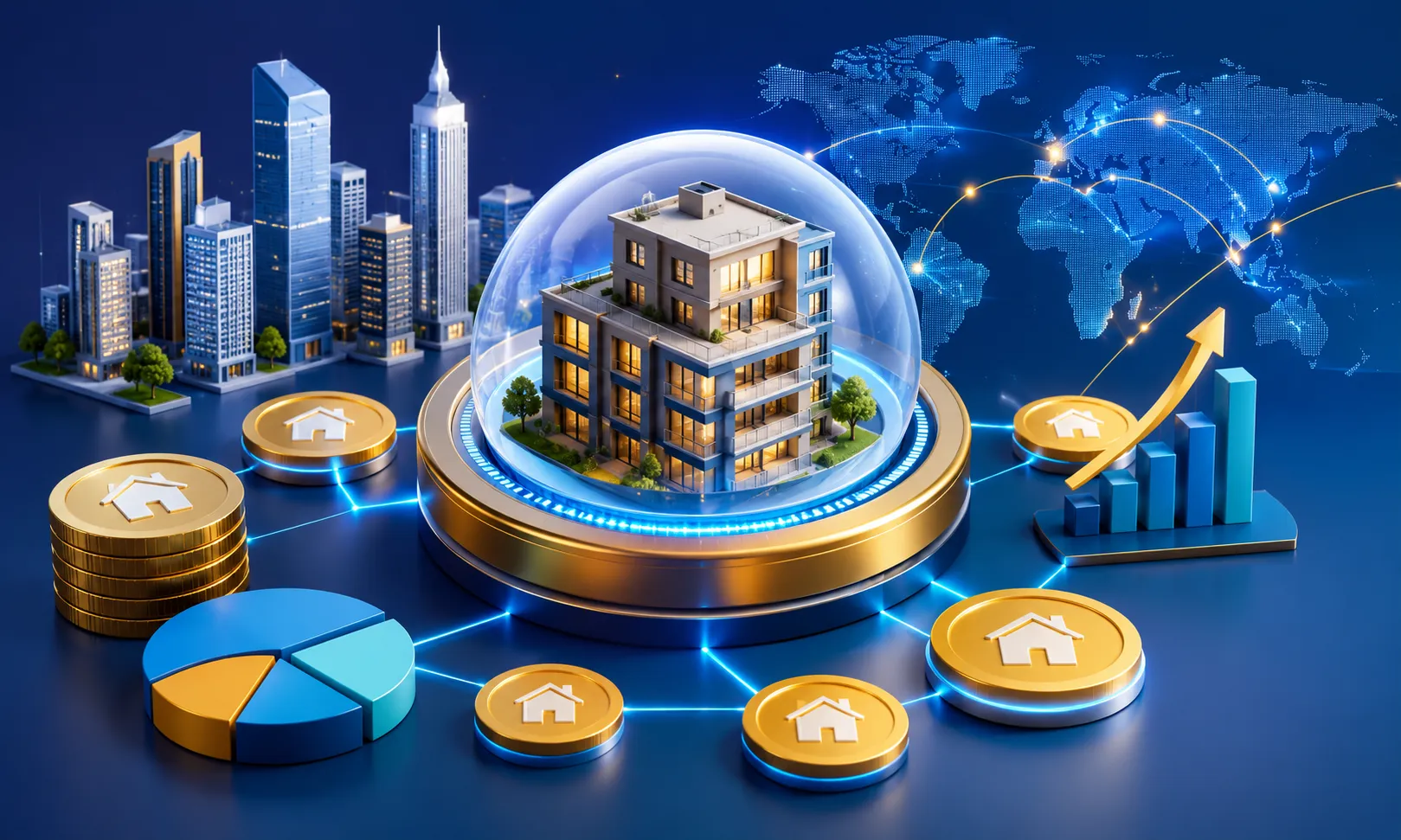
RWA Tokenization enables assets that were historically illiquid or restricted to institutional investors to be accessed by a broader market. Through fractionalization, high-value assets can be divided into smaller units, lowering entry barriers and unlocking new pools of capital.
Why Traditional Capital Market Infrastructure Is No Longer Enough
Legacy capital market systems were designed decades ago around centralized registries, batch settlement cycles, and jurisdiction-specific intermediaries. While these systems are robust, they are costly, slow, and difficult to scale globally.
Key limitations of traditional infrastructure include:
- Long settlement periods that lock up capital
- Limited transparency across asset ownership and transaction history
- High operational costs due to multiple intermediaries
- Restricted access for retail and cross-border investors
- Manual compliance and reporting processes
Real world asset tokenization platform development addresses these challenges by embedding rules, ownership logic, and compliance directly into digital assets. This creates a system where trust is enforced by code rather than reconciliation.
The Role of Tokenization Platforms in Next-Gen Capital Markets
Tokenization platforms act as the operating system for digital capital markets. They provide the tools needed to tokenize assets, manage investor onboarding, enforce regulatory compliance, and facilitate secondary market trading.
A mature real world asset tokenization platform company delivers far more than token issuance. It enables a full asset lifecycle, from structuring and compliance to distribution and liquidity.
Core platform capabilities typically include:
- Asset digitization and token creation
- Smart contract-based ownership and transfer rules
- Investor identity and compliance frameworks
- Real-time settlement and reporting
- Integration with custody, exchanges, and payment rails
These capabilities allow capital markets to move from static asset ownership models to dynamic, programmable financial ecosystems.
How RWA Tokenization Is Expanding Market Access
One of the most profound impacts of RWA Tokenization is its ability to democratize access to capital markets. Historically, many asset classes were accessible only to large institutions or high-net-worth individuals due to high minimum investment thresholds.
Tokenization changes this by enabling fractional ownership. Investors can purchase smaller portions of assets without sacrificing legal rights or economic exposure. This opens capital markets to a wider audience while allowing issuers to tap into global liquidity pools.
Benefits of expanded access include:
- Broader investor participation across geographies
- Increased liquidity for traditionally illiquid assets
- More efficient capital formation for issuers
- Portfolio diversification for smaller investors
RWA Tokenization Services provided by specialized platforms ensure that this expanded access is delivered within compliant and secure frameworks.
Institutional Adoption and the Rise of Enterprise-Grade Platforms
While early tokenization experiments focused on niche assets, the current wave is driven by institutional adoption. Banks, asset managers, and exchanges are increasingly exploring tokenized securities, funds, and structured products.
This institutional shift has raised the bar for platform capabilities. Enterprise-grade real world asset tokenization platform development now prioritizes security, scalability, regulatory alignment, and interoperability with existing financial systems.
Institutions typically partner with an experienced rwa tokenization platform development company to ensure production-ready deployments. These companies bring domain expertise across finance, blockchain architecture, and compliance, reducing risk and accelerating time to market.
Regulatory Alignment as a Design Principle
Contrary to early perceptions, tokenization is not about bypassing regulation. In next-gen capital markets, regulatory compliance is a core design principle.
Modern Real World Asset Tokenization Services embed compliance logic directly into the platform. This includes investor eligibility checks, jurisdictional restrictions, transfer limitations, and reporting requirements. Smart contracts automate enforcement, reducing human error and regulatory risk.
Key compliance-focused features include:
- Know Your Customer and Anti-Money Laundering integration
- Role-based access control for issuers and investors
- Automated regulatory reporting
- Audit-ready transaction histories
By aligning technology with regulation, tokenization platforms gain institutional trust and unlock broader adoption.
Liquidity Transformation Through Tokenized Markets
Liquidity has long been a challenge for private markets and alternative assets. Tokenization introduces new liquidity models by enabling peer-to-peer transfers, secondary trading venues, and programmable market mechanisms.
Tokenized assets can be traded around the clock, settled instantly, and integrated with decentralized or regulated exchanges depending on jurisdiction. This flexibility enhances price discovery and reduces capital lock-in.
A well-designed Real World Asset Tokenization Offering supports multiple liquidity pathways while maintaining compliance. This balance is critical for institutional-grade capital markets.
Methods Used in Real World Asset Tokenization Platform Development
Building a tokenization platform requires a structured approach that blends financial engineering with blockchain development. Leading platforms follow method-driven frameworks to ensure scalability and compliance.
Common development methods include:
- Asset structuring analysis to define legal and economic rights
- Token model design aligned with regulatory classifications
- Smart contract architecture for ownership and governance
- Integration of identity, custody, and payment systems
- Security audits and performance testing
A specialized RWA tokenization development company typically leads these efforts, working closely with legal advisors and asset issuers.
The Importance of RWA Token Development in Market Innovation
RWA token development goes beyond technical implementation. It defines how value, rights, and governance are encoded into digital assets.
Different token models support different capital market use cases, such as:
- Equity-like tokens representing ownership stakes
- Debt tokens with programmable interest and maturity
- Revenue-sharing tokens tied to cash flows
- Asset-backed tokens linked to physical reserves
Careful token design ensures that digital assets behave predictably across trading, settlement, and corporate actions.
Interoperability and the Future of Connected Markets
Next-generation capital markets will not exist in isolation. Tokenization platforms are increasingly designed for interoperability across blockchains, exchanges, and financial institutions.
Interoperable platforms allow assets to move seamlessly between ecosystems while preserving compliance and ownership records. This connectivity supports global capital flows and reduces market fragmentation.
A forward-looking real world asset tokenization platform company prioritizes open standards and modular architecture to future-proof its offerings.
Risk Management and Security in Tokenized Capital Markets
As tokenized markets scale, risk management becomes paramount. Platforms must address cybersecurity threats, smart contract vulnerabilities, and operational risks.
Security-first development practices include:
- Multi-layer access controls
- Smart contract audits and formal verification
- Secure custody and key management solutions
- Continuous monitoring and incident response protocols
Institutional trust depends on the ability of tokenization platforms to safeguard assets at scale.
The Economic Impact of Tokenized Capital Markets
The macroeconomic implications of tokenization are substantial. By lowering transaction costs and improving capital efficiency, tokenized markets can unlock trillions in currently illiquid assets.
Benefits extend beyond investors and issuers to the broader economy:
- Faster capital deployment into productive assets
- Increased transparency in asset ownership
- Reduced systemic risk through real-time settlement
- Enhanced inclusion in global financial systems
These outcomes position Real World Asset Tokenization as a foundational pillar of modern finance.
Choosing the Right RWA Tokenization Partner
Given the complexity of tokenization, selecting the right development partner is critical. Enterprises should evaluate providers based on technical depth, regulatory experience, and long-term platform vision.
Key selection criteria include:
- Proven experience as a rwa tokenization platform development company
- Strong understanding of capital market regulations
- End-to-end RWA Tokenization Services
- Scalable and secure platform architecture
- Ongoing support and upgrade capabilities
A capable Real world asset tokenization platform company acts as a strategic partner rather than a vendor.
Conclusion: Tokenization as the Operating Layer of Future Capital Markets
Real world asset tokenization platform development is no longer an experimental trend. It is rapidly becoming the operating layer for next-generation capital markets. By combining blockchain technology with regulatory compliance and financial engineering, tokenization platforms are redefining how assets are issued, traded, and managed.
As institutions embrace digital transformation, RWA Tokenization will continue to power more efficient, inclusive, and transparent markets. Companies that invest early in robust tokenization platforms will be best positioned to lead in this new financial era.



























Sign in to leave a comment.