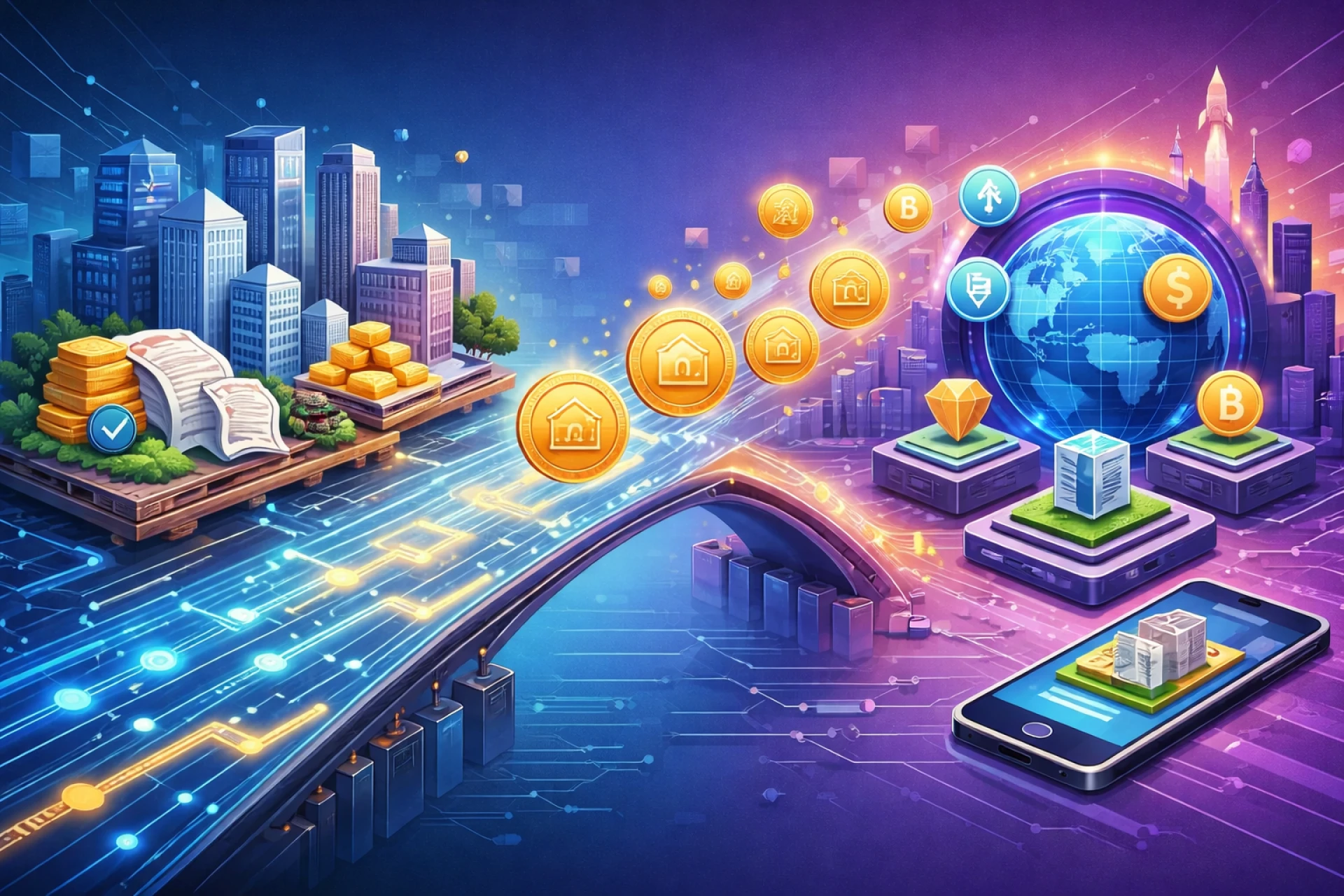

The global financial ecosystem is undergoing a structural transformation driven by blockchain technology and decentralized finance. At the center of this shift is RWA Tokenization, a model that allows physical and traditionally illiquid assets to be represented as digital tokens on blockchain networks. This evolution is not merely a technological trend but a foundational change in how ownership, liquidity, and trust are managed across asset classes.
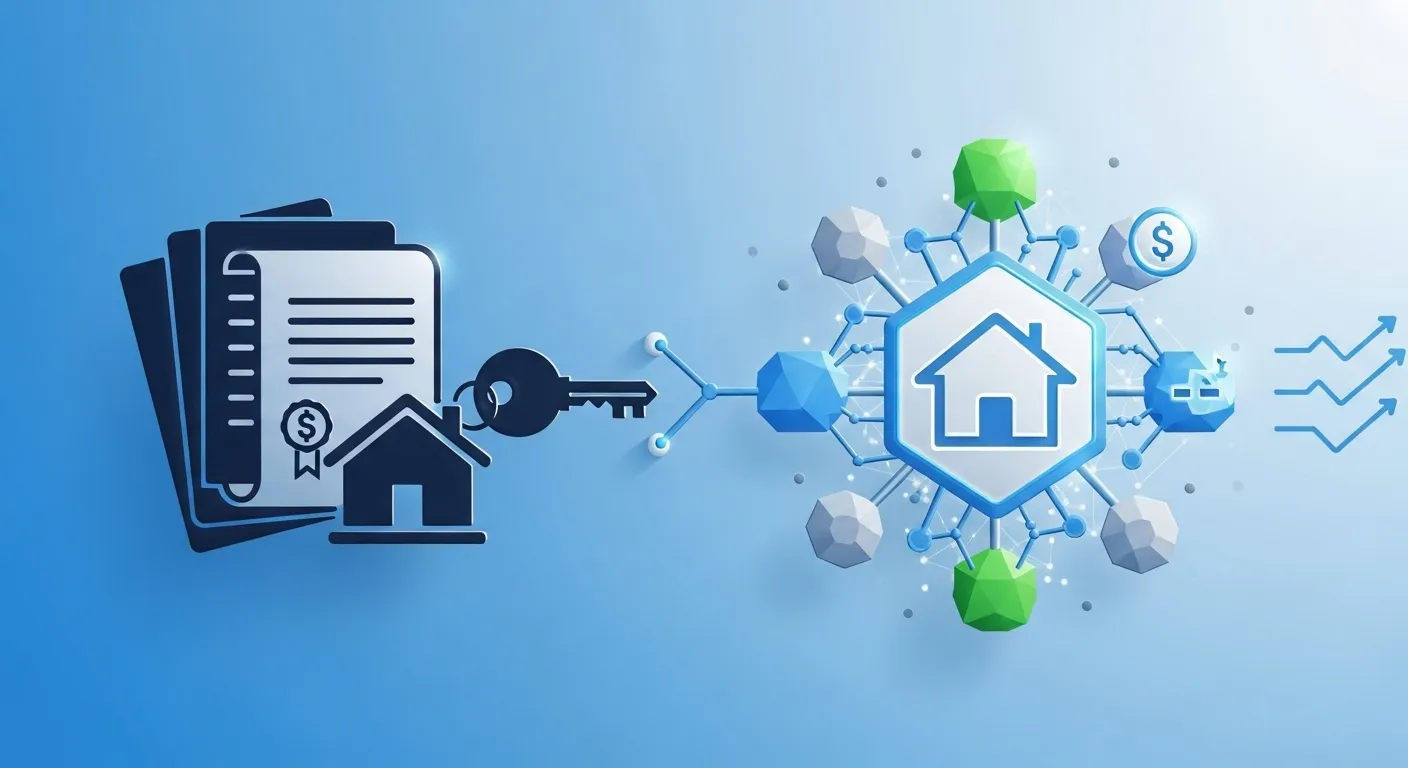
Traditional assets such as real estate, commodities, bonds, invoices, and even intellectual property have historically been constrained by slow settlement cycles, limited access, high capital requirements, and fragmented global markets. Web3 infrastructure, on the other hand, offers programmable ownership, near real time settlement, and borderless participation. RWA tokenization platform development serves as the connective layer between these two worlds, enabling real world value to operate with the efficiency and transparency of blockchain systems.
As institutions, enterprises, and governments explore digital asset strategies, the role of a specialized RWA Tokenization Company becomes increasingly important. These platforms are not only technical solutions but also compliance driven frameworks that allow traditional assets to move safely into decentralized ecosystems.
Understanding RWA Tokenization in Practical Terms
RWA Tokenization refers to the process of converting ownership rights of a physical or off chain asset into blockchain based tokens. Each token represents a fraction or unit of value tied directly to a real world asset. This structure enables digital trading, automated compliance, and programmable financial logic while preserving the underlying asset’s legal and economic characteristics.
Real World Asset Tokenization differs from purely digital assets because it requires a verifiable linkage between on chain tokens and off chain assets. This linkage is established through legal agreements, custodial structures, valuation mechanisms, and compliance processes. RWA Tokenization Services focus on building this trust layer while maintaining scalability and decentralization where possible.
Unlike speculative crypto assets, tokenized RWAs derive value from tangible economic activity. This makes them attractive to institutional investors seeking yield, stability, and diversification while still benefiting from blockchain efficiency.
Why Traditional Asset Markets Need Tokenization
Traditional asset markets suffer from systemic inefficiencies that have persisted for decades. Settlement delays, intermediaries, geographic restrictions, and limited transparency reduce capital velocity and exclude large segments of global investors.
Key challenges in traditional markets include:
- High entry barriers due to large minimum investment requirements
- Illiquidity in assets such as real estate, private equity, and infrastructure
- Manual compliance and reconciliation processes
- Fragmented global access and regulatory complexity
- Limited transparency in ownership and valuation
Real World Asset Tokenization Services address these challenges by introducing fractional ownership, automated settlement, and transparent ledgers. Tokenization transforms static assets into dynamic financial instruments that can be traded, pledged, or integrated into decentralized finance protocols.
The Role of RWA Tokenization Platform Development
RWA tokenization platform development is the technical and operational backbone that enables asset digitization at scale. These platforms handle the entire lifecycle of tokenized assets, from onboarding and token issuance to trading, compliance, and redemption.
A real world asset tokenization platform company designs systems that integrate blockchain infrastructure with legal frameworks, custody providers, valuation models, and user interfaces. The goal is to ensure that digital tokens faithfully represent real world value while remaining compliant with regulatory requirements.
Core capabilities of a robust RWA platform include:
- Asset onboarding and verification workflows
- Smart contract based token issuance
- Identity and compliance management
- Secondary market enablement
- Asset lifecycle and redemption management
By combining these elements, RWA tokenization development company solutions allow enterprises to unlock liquidity without compromising legal certainty or investor protection.
Asset Classes Being Transformed Through RWA Tokenization
RWA tokenization is applicable across a wide range of asset classes, each with unique requirements and benefits. The flexibility of blockchain architecture allows platforms to customize token models based on asset type and jurisdiction.
Commonly tokenized assets include:
- Real estate assets such as commercial properties, rental portfolios, and land
- Fixed income instruments including bonds and treasury backed securities
- Commodities like gold, energy resources, and agricultural products
- Private credit, invoices, and trade finance assets
- Intellectual property, royalties, and licensing rights
Real World Asset Tokenization Offerings vary depending on asset complexity, liquidity profile, and regulatory oversight. A well designed platform supports multi asset tokenization while maintaining consistent governance and reporting standards.
How RWA Token Development Works
RWA token development involves creating blockchain tokens that accurately reflect ownership, rights, and obligations tied to a real world asset. This process goes beyond simple smart contract creation and requires coordination between technical, legal, and operational teams.
The typical RWA token development process includes:
- Asset structuring and legal representation mapping
- Selection of token standards based on compliance needs
- Smart contract development and auditing
- Integration with custody and asset management systems
- Issuance and distribution through compliant channels
RWA token development must account for factors such as transfer restrictions, investor eligibility, dividend distribution, and redemption conditions. A professional rwa tokenization platform development company ensures that token logic aligns with legal agreements and asset behavior.
Compliance as a Foundation, Not a Constraint
One of the most critical aspects of real world asset tokenization platform development is regulatory compliance. Unlike permissionless crypto projects, RWA platforms operate at the intersection of financial regulation, securities law, and data protection requirements.
Rather than limiting innovation, compliance driven design enables institutional adoption and long term scalability. RWA Tokenization Services embed compliance mechanisms directly into platform architecture through identity verification, transaction monitoring, and rule based smart contracts.
Key compliance components include:
- Know your customer and investor accreditation checks
- Jurisdiction based transfer restrictions
- Automated reporting and audit trails
- Custody and asset segregation controls
A trusted RWA Tokenization Company treats compliance as a core feature rather than an afterthought, ensuring platform credibility and market confidence.
Bridging Web3 Infrastructure With Institutional Systems
One of the defining challenges in RWA tokenization is interoperability between decentralized blockchain systems and traditional enterprise infrastructure. Tokenization platforms must integrate with banking systems, custodians, valuation providers, and legal registries.
Real world asset tokenization platform development focuses on building modular architectures that support API integrations and hybrid workflows. This allows institutions to adopt tokenization without overhauling existing systems.
Interoperability benefits include:
- Seamless fiat on ramps and off ramps
- Automated reconciliation with accounting systems
- Real time asset valuation updates
- Secure data exchange across stakeholders
By bridging Web3 infrastructure with traditional systems, tokenization platforms enable gradual adoption rather than disruptive replacement.
Liquidity Creation Through Fractional Ownership
One of the most powerful benefits of RWA tokenization is liquidity creation. Fractional ownership allows high value assets to be divided into smaller units, making them accessible to a broader investor base.
Fractionalized token models enable:
- Lower minimum investment thresholds
- Secondary market trading opportunities
- Portfolio diversification across asset types
- Improved price discovery through market participation
Real World Asset Tokenization Services design liquidity frameworks that balance accessibility with regulatory oversight. This approach transforms previously illiquid assets into dynamic financial instruments suitable for global markets.
Institutional Adoption and Market Confidence
Institutional adoption is a key driver of RWA tokenization growth. Banks, asset managers, and financial institutions are increasingly exploring tokenized products as part of digital transformation strategies.
A mature real world asset tokenization platform company provides:
- Enterprise grade security and governance
- Transparent asset backing and reporting
- Integration with institutional custody solutions
- Scalable infrastructure for high volume transactions
Market confidence is built through consistent performance, regulatory alignment, and clear value propositions. As institutions enter the space, tokenized RWAs gain legitimacy and liquidity.
Use Cases Across Industries
RWA tokenization is not limited to financial services. Multiple industries are leveraging tokenization platforms to improve capital efficiency and operational transparency.
Industry use cases include:
- Real estate developers raising capital through tokenized projects
- Energy companies tokenizing renewable infrastructure assets
- Supply chain firms digitizing invoices and receivables
- Governments exploring tokenized public assets
- Creators monetizing intellectual property through tokenized rights
Each use case requires tailored real world asset tokenization offerings that align with industry specific regulations and asset characteristics.
Security and Risk Management in RWA Platforms
Security is paramount in tokenization platforms due to the high value of underlying assets. Real world asset tokenization platform development incorporates multiple layers of protection across technical and operational domains.
Security considerations include:
- Smart contract auditing and formal verification
- Secure key management and access controls
- Custody and asset safeguarding protocols
- Continuous monitoring and incident response
A professional RWA tokenization development company prioritizes risk management to protect both asset issuers and investors.
Governance Models for Tokenized Assets
Governance plays a critical role in managing tokenized assets, especially when multiple stakeholders are involved. Token based governance frameworks allow investors to participate in decision making while maintaining operational efficiency.
Governance mechanisms may include:
- Voting rights attached to tokens
- Automated distribution of yields or dividends
- Transparent reporting and disclosures
- Defined processes for asset liquidation or restructuring
Well designed governance enhances trust and aligns incentives across participants.
The Role of Smart Contracts in Automation
Smart contracts are the operational engine behind RWA tokenization platforms. They automate processes that traditionally required intermediaries, reducing costs and errors.
Automation benefits include:
- Instant settlement and ownership transfer
- Automated compliance enforcement
- Programmatic revenue distribution
- Transparent and immutable transaction records
RWA token development leverages smart contracts to create predictable and auditable asset behavior while maintaining flexibility for real world scenarios.
Scalability and Future Proof Platform Design
As adoption grows, scalability becomes a critical requirement. RWA tokenization platform development focuses on modular and upgradeable architectures that can adapt to evolving regulations and market demands.
Scalable platforms support:
- Multi chain deployment strategies
- High transaction throughput
- Cross border asset issuance
- Integration with emerging Web3 protocols
Future proof design ensures that tokenization platforms remain relevant as technology and regulation evolve.
Challenges in RWA Tokenization Adoption
Despite its potential, RWA tokenization faces challenges that must be addressed for widespread adoption.
Common challenges include:
- Regulatory uncertainty across jurisdictions
- Standardization of token models
- Market education and awareness
- Integration complexity with legacy systems
A capable rwa tokenization platform development company mitigates these challenges through flexible design, legal expertise, and stakeholder collaboration.
The Strategic Advantage of Working With a Specialized Partner
Choosing the right RWA Tokenization Company is critical for successful implementation. Tokenization is not a plug and play solution but a strategic initiative that requires domain expertise.
An experienced partner provides:
- End to end RWA Tokenization Services
- Custom platform architecture and development
- Regulatory and compliance advisory support
- Ongoing maintenance and scalability planning
By working with a dedicated real world asset tokenization platform company, enterprises can accelerate adoption while minimizing risk.
The Future of RWA Tokenization in Web3
The future of Web3 is increasingly tied to real world value. As decentralized finance matures, tokenized RWAs will serve as the foundation for sustainable growth and institutional participation.
Real World Asset Tokenization Offerings will expand to include more asset classes, advanced financial products, and cross chain interoperability. Tokenization platforms will evolve into full stack financial infrastructure supporting global markets.
As trust builds and standards emerge, RWA tokenization will bridge the gap between traditional finance and decentralized ecosystems, unlocking new forms of value creation.
Conclusion: A New Financial Paradigm Takes Shape
RWA tokenization platform development represents a pivotal shift in how assets are owned, traded, and managed. By bridging traditional assets with Web3 infrastructure, tokenization platforms create a unified financial ecosystem that combines stability with innovation.
Through robust compliance, scalable architecture, and secure automation, RWA Tokenization Services enable real world value to flow seamlessly into digital markets. As enterprises and institutions embrace this model, real world asset tokenization will redefine global finance and reshape the future of asset ownership.

























Sign in to leave a comment.