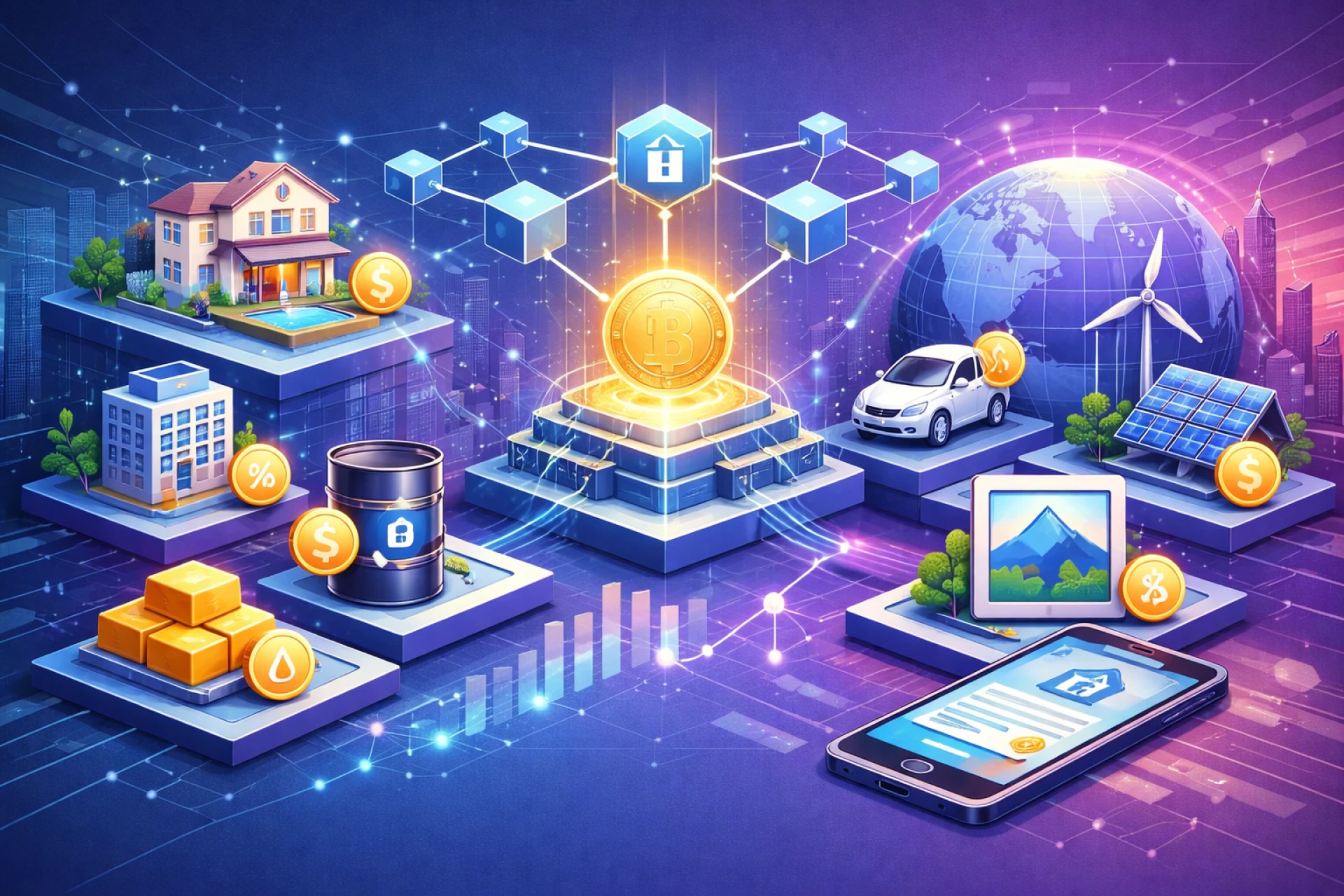

Ownership has always been tied to paperwork, intermediaries, geographic borders, and slow settlement cycles. Whether it was real estate, commodities, intellectual property, or private equity, access to valuable assets remained limited to those with capital, connections, and regulatory reach. As we move into 2026, this model is undergoing a fundamental shift. Real World Asset Tokenization is no longer an experimental blockchain concept. It has matured into an institutional-grade framework that is redefining how assets are created, distributed, managed, and exchanged across global markets.
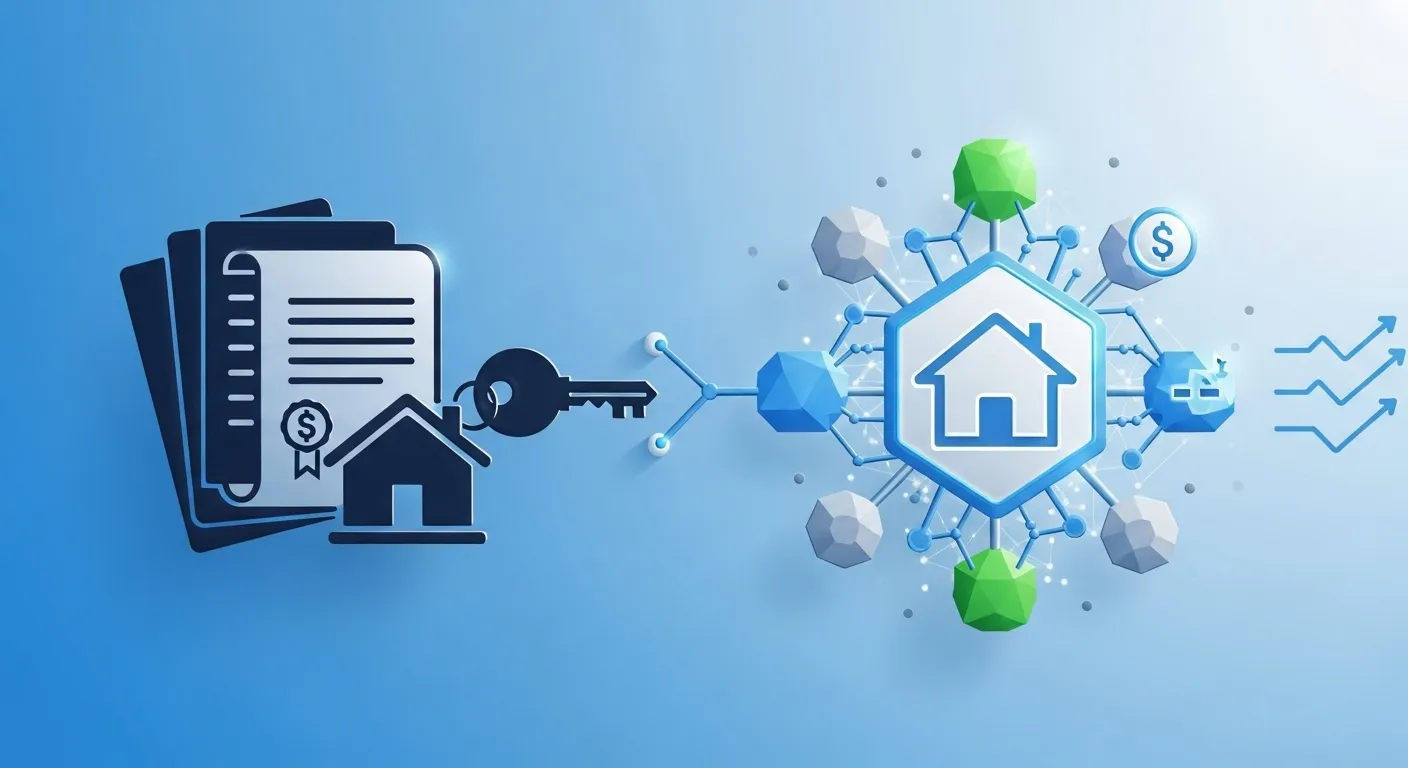
At the center of this transformation are Real World Asset Tokenization Offerings that convert physical and traditionally illiquid assets into digital tokens with embedded rights, compliance logic, and liquidity pathways. These offerings are not simply digitizing ownership. They are restructuring it to be programmable, fractional, and globally accessible. This shift is forcing enterprises, investors, and regulators to rethink what ownership actually means in a digital-first economy.
Understanding the Foundation of Real World Asset Tokenization
Real World Asset Tokenization refers to the process of representing physical or off-chain assets as blockchain-based tokens. These assets can include real estate, infrastructure projects, bonds, commodities, art, carbon credits, royalties, and even revenue streams. Each token represents a verifiable claim on an underlying asset and carries predefined rights such as ownership, dividends, access, or governance participation.
Unlike traditional securitization models, tokenization embeds rules directly into the asset itself through smart contracts. This allows ownership transfers, compliance checks, and settlement processes to occur automatically without relying on multiple intermediaries. As RWA Tokenization Services evolve, they increasingly focus on aligning legal frameworks, custody models, and regulatory compliance with blockchain-native execution.
By 2026, tokenized assets are expected to become a core layer of capital markets rather than an alternative system operating on the margins.
Why 2026 Marks a Structural Turning Point
The year 2026 represents more than incremental growth in tokenized assets. It marks a convergence of regulatory clarity, institutional participation, and infrastructure maturity. Governments across major financial hubs are moving from sandbox experimentation to formal frameworks that recognize tokenized assets as legally enforceable instruments.
Financial institutions are also transitioning from proof-of-concept pilots to production-scale deployments. This is driven by cost efficiency, faster settlement, and the ability to unlock liquidity from assets that were previously dormant. At the same time, investors are demanding transparency, real-time reporting, and fractional access to high-value assets. Real world asset tokenization platform development addresses all of these demands within a single architecture.
The result is a shift from tokenization as a novelty to tokenization as a necessity for competitive asset management.
How Tokenization Is Redefining Ownership Itself
Traditional ownership has been static. Once acquired, assets are often locked into long holding periods with limited exit options. Tokenization introduces a dynamic ownership model where assets can be divided, traded, and governed in real time.
Fractional ownership is one of the most visible changes. Instead of purchasing an entire asset, investors can own precise fractions represented by tokens. This lowers capital barriers and democratizes access to assets that were previously exclusive. Beyond fractions, ownership rights themselves can be modular. Voting rights, income rights, and usage rights can be tokenized separately depending on the asset structure.
This modularity allows new economic models to emerge. For example, an infrastructure project can distribute revenue rights to global investors while retaining governance control within a local entity. Such flexibility is a direct outcome of advanced rwa tokenization platform development frameworks.
The Role of Real World Asset Tokenization Offerings
Real World Asset Tokenization Offerings define how assets are structured, issued, managed, and distributed in tokenized form. These offerings go far beyond token creation. They encompass legal structuring, asset onboarding, smart contract logic, compliance automation, custody integration, and secondary market readiness.
A mature offering ensures that token holders have enforceable rights tied to real-world legal entities. It also enables seamless lifecycle management from issuance to redemption. As demand increases, enterprises are turning to specialized Real world asset tokenization platform company partners that can deliver end-to-end solutions tailored to asset type and jurisdiction.
In 2026, competitive advantage will be determined by the robustness, scalability, and regulatory alignment of these offerings.
Key Asset Classes Driving Adoption
While tokenization can theoretically apply to any asset, several categories are leading adoption due to clear economic benefits.
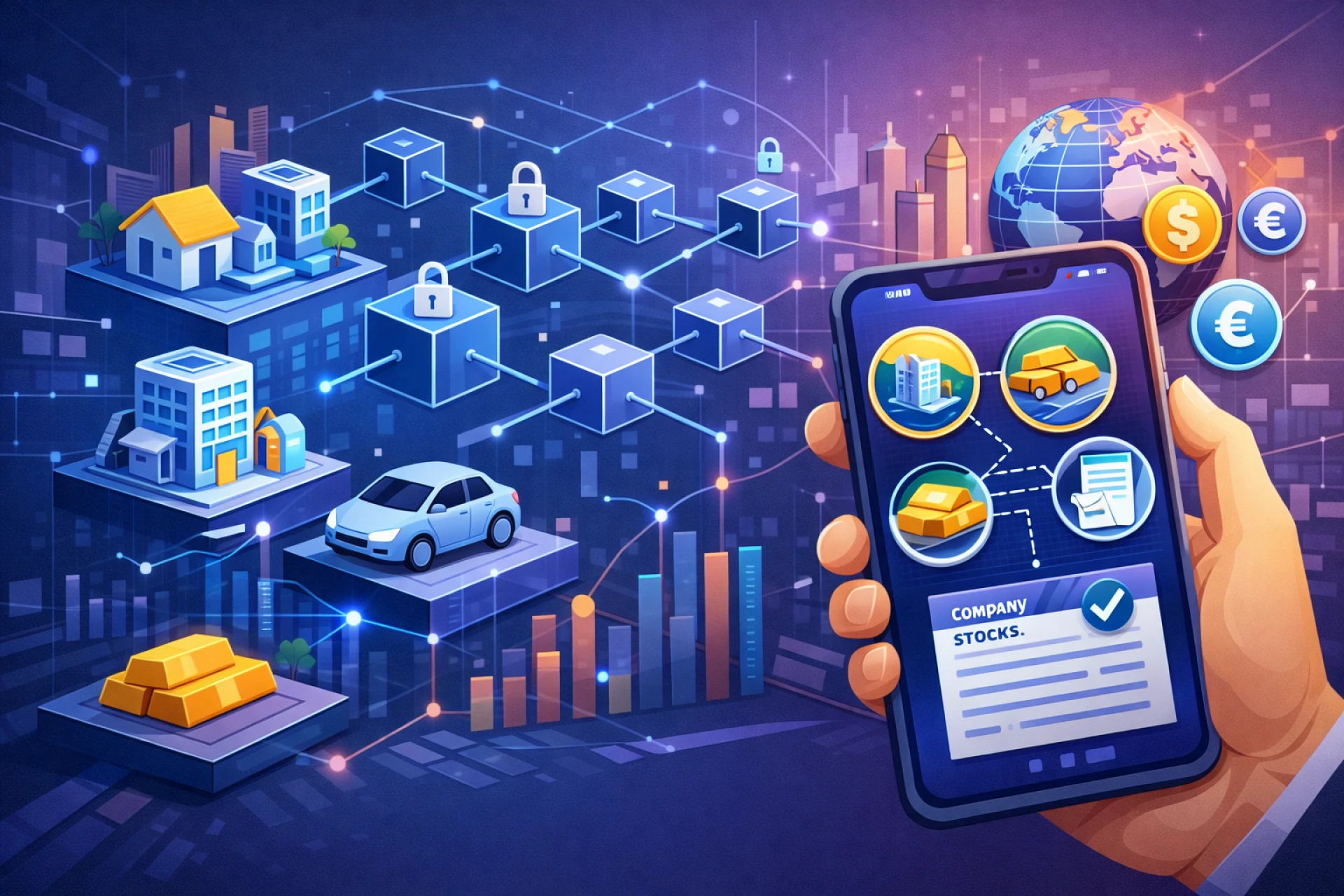
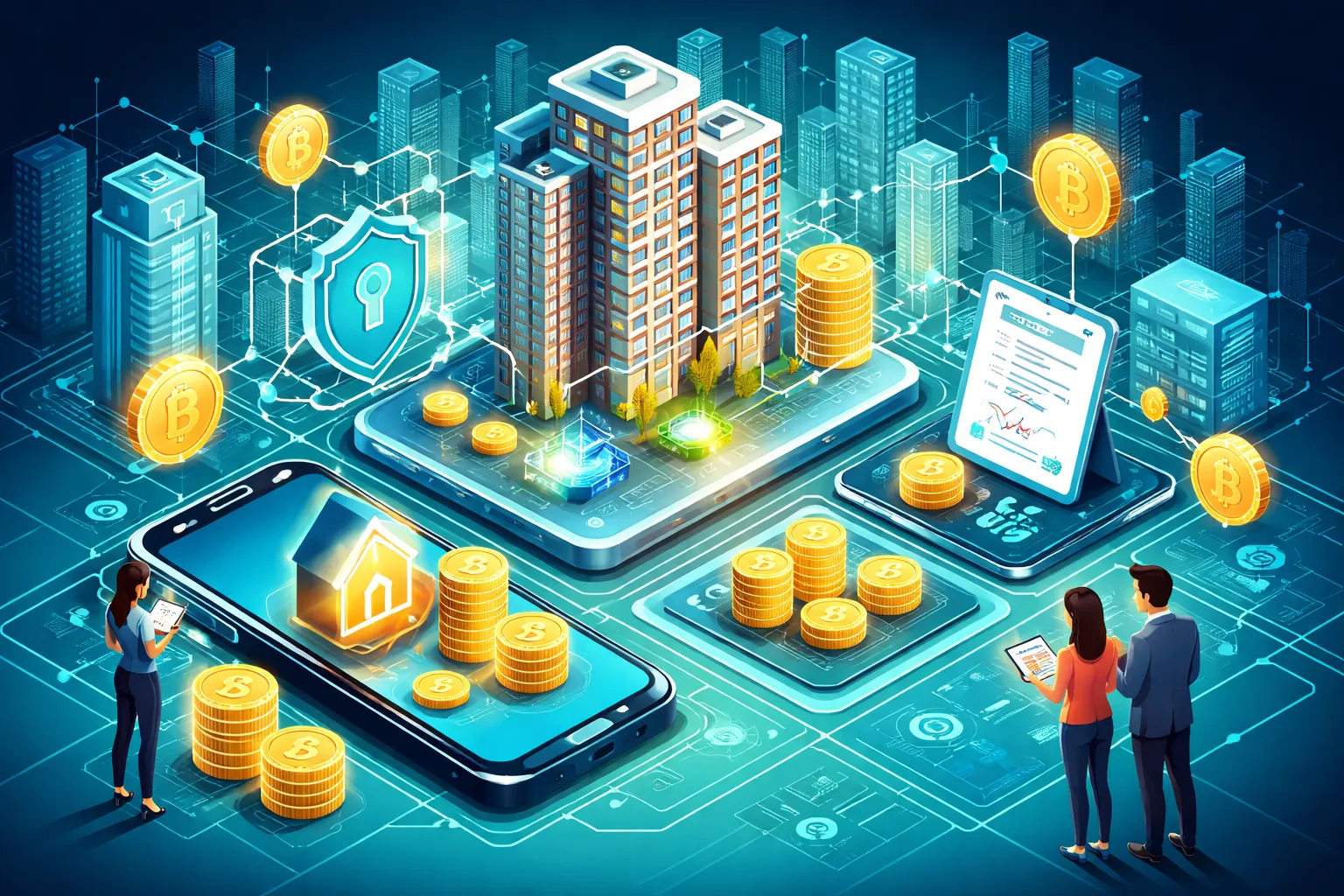
Real estate remains the most active segment, allowing property owners to unlock liquidity without selling entire assets. Tokenized bonds and private credit instruments are also gaining traction as they reduce settlement times and operational costs. Commodities such as gold and energy resources benefit from improved transparency and global accessibility.
Intellectual property and revenue-based assets are emerging as high-growth areas. Tokenized royalties enable creators and investors to share future cash flows with unprecedented precision. These use cases are accelerating demand for RWA token development that supports complex cash flow logic.
Enterprise Demand for Institutional-Grade Platforms
As tokenized assets move into regulated markets, enterprises require platforms that meet institutional standards for security, governance, and scalability. This has led to the rise of specialized rwa tokenization development company providers that focus on enterprise-grade architecture.
Such platforms integrate identity verification, compliance checks, auditability, and permissioned access without sacrificing blockchain efficiency. They also support interoperability across public and private networks, ensuring that assets can move seamlessly between ecosystems as regulations evolve.
Enterprises now evaluate Real World Asset Tokenization Services not just on technical capability but on their ability to align with long-term regulatory and operational strategies.
Methods Used in Real World Asset Tokenization
Tokenization follows a structured methodology to ensure legal validity and technical integrity. Key methods include:
• Asset identification and valuation to establish a clear economic baseline
• Legal structuring to map tokens to enforceable ownership rights
• Smart contract development to encode asset behavior and rules
• Custody integration for secure asset holding and transfer
• Compliance automation to enforce jurisdictional requirements
• Secondary market enablement to support liquidity
Each method requires close coordination between legal, technical, and financial stakeholders. This is why organizations increasingly partner with a specialized RWA Tokenization Company that can orchestrate the entire process.
Governance and Compliance as Core Design Principles
One of the defining features of successful tokenization in 2026 is embedded governance. Tokenized assets are no longer passive representations. They actively enforce rules related to ownership transfer, investor eligibility, and reporting obligations.
Compliance is automated through smart contracts that restrict transactions based on jurisdiction, accreditation status, or holding limits. This reduces regulatory risk while enabling real-time oversight. Governance mechanisms also allow token holders to participate in decisions such as asset upgrades, refinancing, or liquidation events.
Such capabilities are central to modern Real World Asset Tokenization Offerings and are essential for institutional adoption.
Liquidity Transformation Through Tokenization
Liquidity has historically been constrained by market access, settlement delays, and high transaction costs. Tokenization addresses these barriers by enabling near-instant transfers and fractional trading.
Secondary markets for tokenized assets are expanding, supported by compliant trading venues and decentralized liquidity pools. This creates continuous price discovery and reduces the liquidity premium associated with long-term holdings.
As more assets become tokenized, liquidity itself becomes programmable. Asset issuers can define lockup periods, transfer conditions, and redemption triggers directly within the token. This level of control is a hallmark of advanced rwa tokenization platform development strategies.
The Strategic Role of Tokenization Companies
The complexity of tokenizing real-world assets has elevated the role of specialized providers. A Real world asset tokenization platform development company acts as both a technology partner and a strategic advisor.
These companies guide clients through regulatory landscapes, design scalable architectures, and ensure interoperability with existing financial systems. They also help future-proof tokenized assets against evolving standards and regulations.
In 2026, choosing the right Real world asset tokenization platform company will be a critical strategic decision rather than a purely technical one.
Challenges That Are Being Overcome
Despite its momentum, tokenization still faces challenges related to legal harmonization, cross-border recognition, and market education. However, significant progress is being made through industry consortia, regulatory collaboration, and standardization efforts.
Technology challenges such as scalability and interoperability are also being addressed through modular blockchain architectures and layer-based designs. As these barriers diminish, Real World Asset Tokenization Services are becoming more accessible to mid-sized enterprises and emerging markets.
The focus is shifting from whether tokenization will succeed to how quickly it will become mainstream.
The Investor Perspective in a Tokenized Economy
From an investor standpoint, tokenization offers unprecedented transparency and control. Real-time reporting, on-chain verification, and automated distributions reduce information asymmetry and operational friction.
Investors can diversify across asset classes and geographies with smaller capital commitments. This changes portfolio construction strategies and risk management approaches. As tokenized assets integrate with digital wallets and portfolio tools, the investor experience becomes more seamless and data-driven.
RWA Token Development is increasingly focused on enhancing these user-centric features without compromising security or compliance.
Long-Term Implications for Global Markets
The widespread adoption of tokenized assets has profound implications for global markets. Capital flows become more efficient, and access to investment opportunities becomes more equitable. Emerging markets gain new pathways to attract global capital without relying solely on traditional intermediaries.
Ownership becomes a fluid concept that adapts to economic conditions and participant needs. This flexibility supports innovation in financing models, asset utilization, and value creation.
By embedding trust and automation into the ownership layer, Real World Asset Tokenization reshapes the foundational mechanics of the global economy.
Conclusion: Ownership Reimagined for the Digital Age
The 2026 shift in ownership is not a future promise. It is actively unfolding as Real World Asset Tokenization Offerings mature and scale. By transforming assets into programmable, compliant, and liquid digital representations, tokenization is redefining how value is created and exchanged.
Enterprises, investors, and institutions that embrace this shift early will gain strategic advantages in efficiency, access, and innovation. Those that delay risk being constrained by legacy systems in a rapidly evolving market.
As RWA Tokenization Services continue to evolve, ownership itself becomes more transparent, inclusive, and adaptable. The foundations being laid today will define the economic structures of the next decade, making real world asset tokenization platform development a cornerstone of the digital ownership era.




























Sign in to leave a comment.