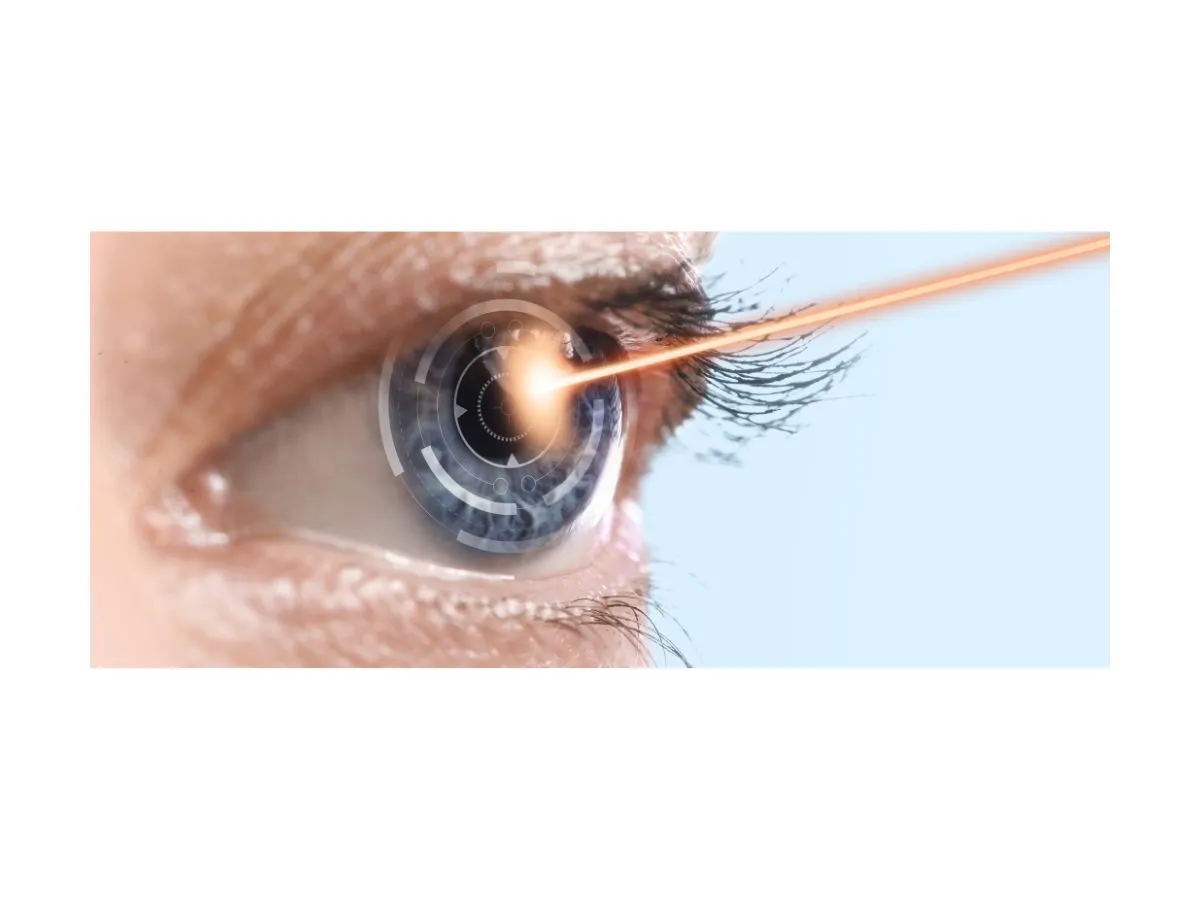

For many adults, turning 50 marks the beginning of a new chapter. As careers become more established, retirement planning takes shape, and there is often more time to enjoy personal interests, travel, family, and hobbies.
Many people begin noticing that reading menus requires more effort, driving at night becomes less comfortable, and everyday activities seem less visually sharp than they once were. When cataracts develop, these challenges can become even more noticeable.
Most people understand that cataract surgery removes the cloudy lens, causing blurred vision. What many do not realize is that modern Refractive Cataract Surgery Ontario options can do far more than simply restore clarity. Today's procedures can also address common vision problems such as near-sightedness, far-sightedness, and astigmatism, potentially reducing dependence on glasses after surgery.
For many patients, refractive cataract surgery is not just about seeing better. It is about living better.
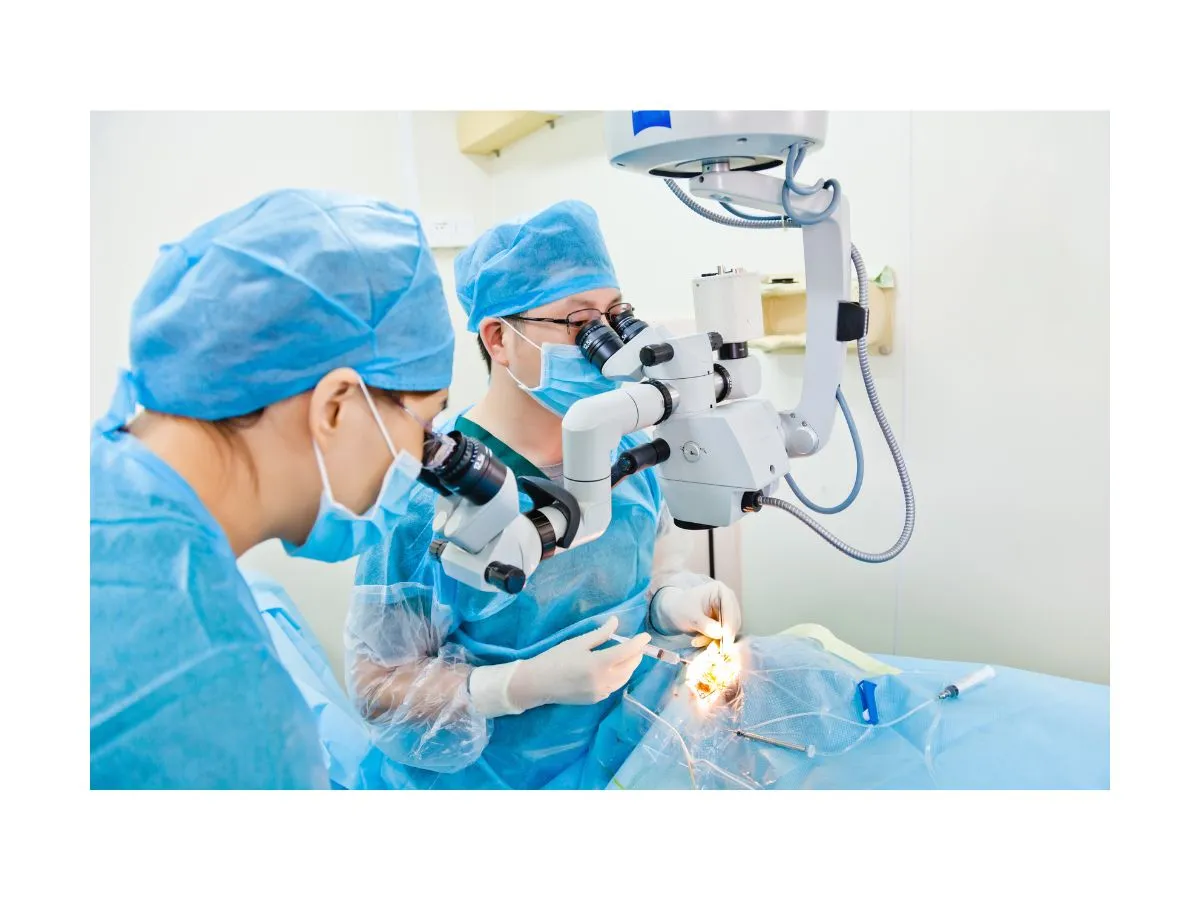
Understanding Cataracts
A cataract occurs when the eye's natural lens gradually becomes cloudy. As cataracts progress, symptoms may include:
- Blurry vision
- Difficulty reading
- Increased glare from headlights
- Faded colours
- Double vision in one eye
- Reduced contrast sensitivity
- Frequent prescription changes
Cataracts are extremely common and often develop gradually with age. Because the changes occur slowly, many people do not immediately realize how much their vision has deteriorated until after treatment restores clarity.
Traditional Cataract Surgery vs. Refractive Cataract Surgery
Traditional cataract surgery focuses primarily on removing the cloudy lens and replacing it with a basic artificial lens.
While this significantly improves vision, patients may still require glasses for many daily activities.
Modern Refractive Cataract Surgery Ontario takes a more comprehensive approach.
Rather than simply replacing the cloudy lens, refractive cataract surgery aims to improve overall visual performance by correcting additional refractive errors at the same time.
These may include:
- Near-sightedness (myopia)
- Far-sightedness (hyperopia)
- Astigmatism
- Presbyopia (age-related reading vision changes)
The result is often greater visual freedom and reduced dependence on corrective eyewear.
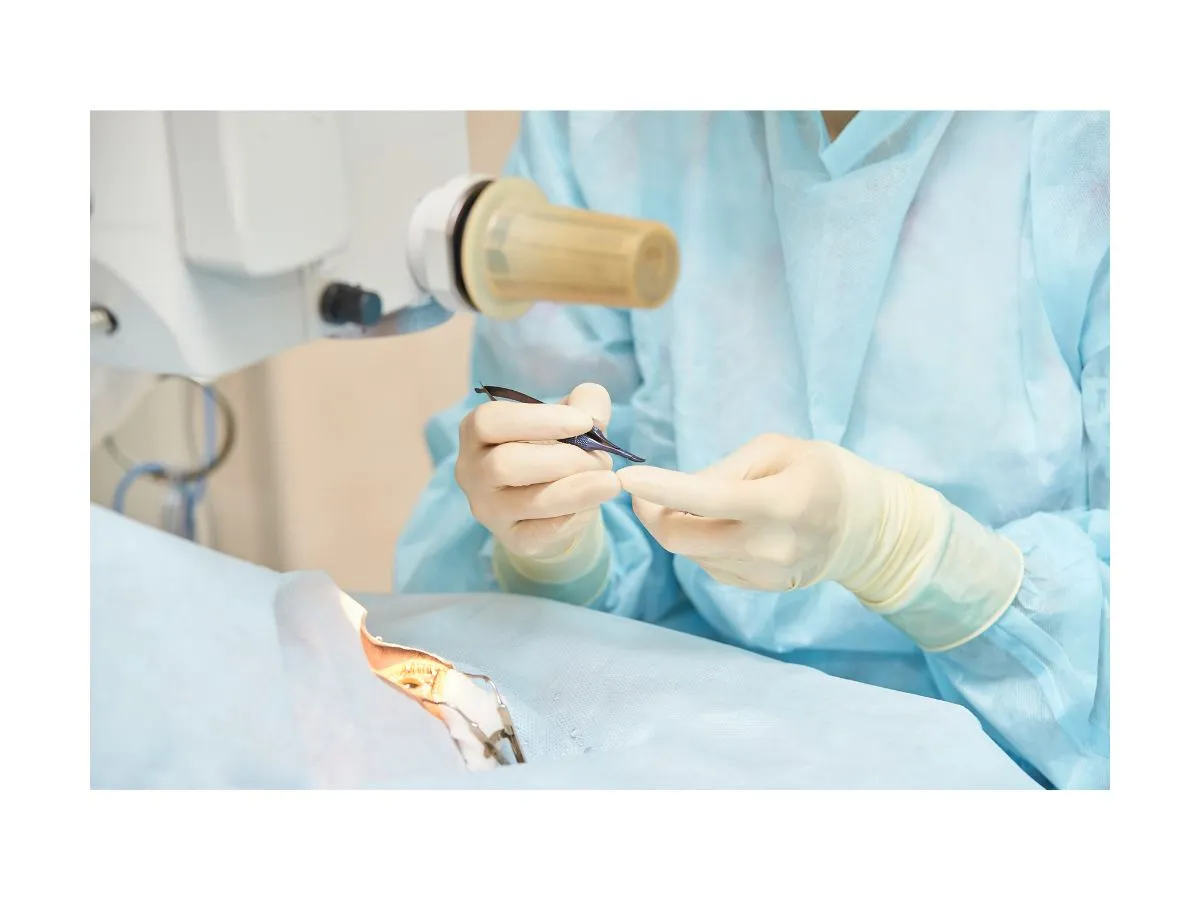
What Is Advanced IOL Technology?
One of the biggest advancements in modern cataract care is the development of advanced IOL technology.
IOL stands for intraocular lens, which is the artificial lens implanted during cataract surgery.
Today's premium lens options can provide vision correction that was not possible with older-generation implants.
Depending on individual needs, options may include:
Multifocal Lenses
These lenses are designed to improve vision at multiple distances.
Benefits may include:
- Better distance vision
- Improved intermediate vision
- Enhanced reading ability
- Reduced need for glasses
Extended Depth of Focus (EDOF) Lenses
These lenses create a continuous range of vision while minimizing certain visual disturbances.
They are often chosen by active adults seeking greater visual flexibility.
Toric Lenses
Patients with astigmatism may benefit from toric lenses designed specifically to correct irregular corneal curvature.
This can improve overall sharpness and reduce dependence on corrective eyewear.
Why Vision Correction After 50 Matters
Many adults spend decades relying on glasses, bifocals, or contact lenses.
As cataracts develop, those visual challenges often become more frustrating.
Modern vision correction after 50 can significantly improve daily convenience and independence.
Imagine being able to:
- Read a book without constantly searching for reading glasses
- See a golf ball clearly on the fairway
- Enjoy road trips with greater visual confidence
- Use a smartphone more comfortably
- Travel without carrying multiple pairs of glasses
- Participate in hobbies with fewer visual limitations
For many patients, these lifestyle benefits become just as meaningful as the medical improvements.
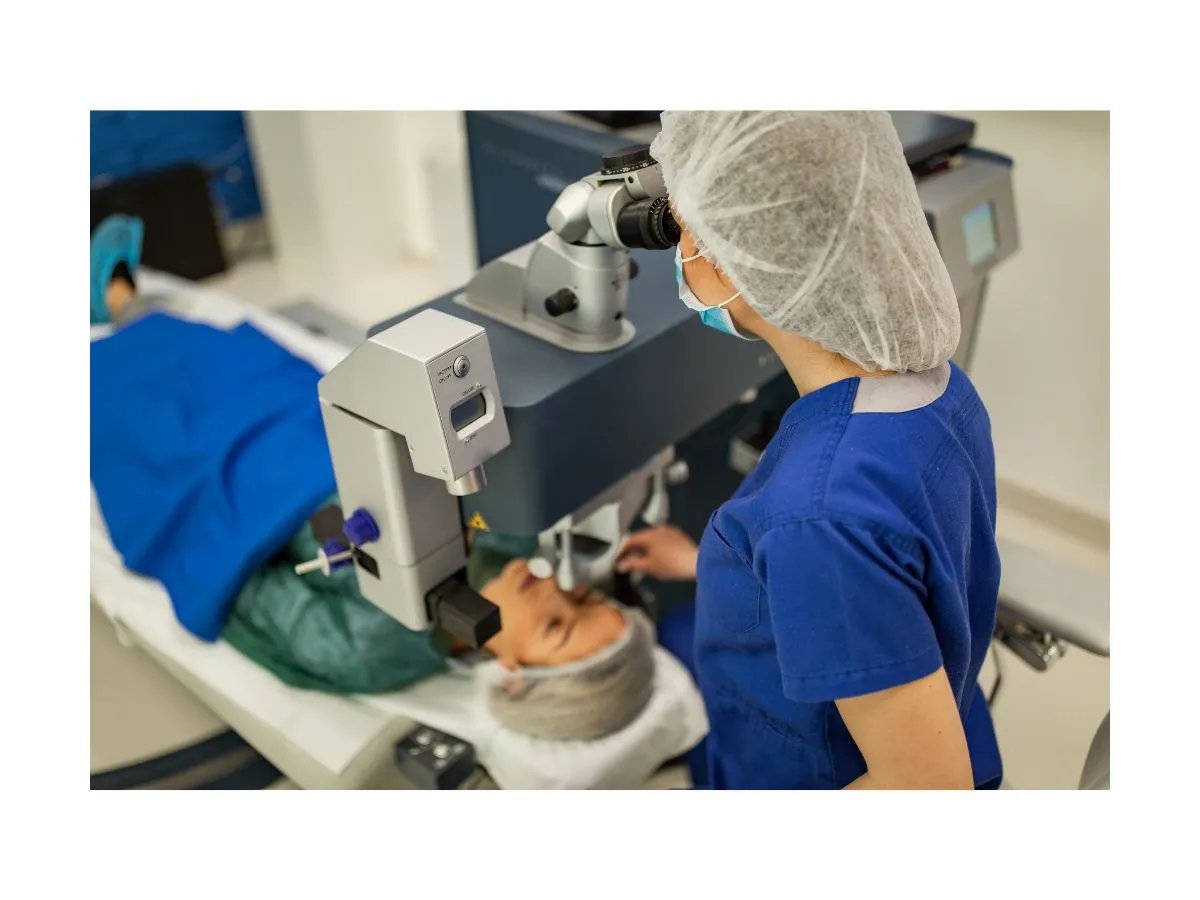
Life Without Glasses After Cataracts
One of the most common questions patients ask is:
"Will I still need glasses after surgery?"
The answer depends on several factors, including:
- Existing vision prescription
- Eye health
- Lens selection
- Individual visual goals
While no procedure can guarantee complete freedom from glasses in every situation, many patients experience significantly reduced dependence on corrective lenses.
This is why the concept of life without glasses after cataracts has become one of the most exciting aspects of modern refractive cataract surgery.
Many patients report greater convenience during:
- Reading
- Driving
- Exercising
- Social activities
- Travel
- Outdoor recreation
The ability to perform everyday tasks more naturally often contributes to an improved sense of independence.
Popular Activities That Benefit From Better Vision
For active adults and retirees, improved vision can make a noticeable difference in daily life.
Golf
Clear distance vision and improved depth perception can enhance confidence on the course.
Reading
Many patients appreciate being able to read books, newspapers, and digital devices more comfortably.
Travel
Reduced dependence on glasses simplifies packing and daily travel activities.
Gardening
Improved visual clarity can make close-up tasks and outdoor activities more enjoyable.
Time With Family
Seeing grandchildren, attending events, and participating in family activities becomes more comfortable when vision is optimized.
Is Refractive Cataract Surgery Right for Everyone?
Not every patient is a candidate for every lens technology.
Several factors influence lens recommendations, including:
- Lifestyle goals
- Eye health
- Corneal condition
- Presence of astigmatism
- Retinal health
- Visual expectations
A comprehensive evaluation helps determine the most appropriate treatment plan.
The best outcomes occur when lens selection aligns with the patient's daily activities and long-term vision goals.
The Future of Cataract Care
Cataract surgery has evolved dramatically over the past several decades.
What was once viewed simply as a procedure to remove a cloudy lens has become an opportunity to enhance overall visual performance and reduce dependence on corrective eyewear.
Advances in imaging technology, surgical precision, and intraocular lens design continue to improve patient outcomes and expand treatment possibilities.
Today's patients have more options than ever before for customizing their vision after cataract surgery.
Final Thoughts
Modern cataract surgery is no longer just about restoring vision lost to a cloudy lens. Through advanced lens technologies and personalized treatment planning, refractive cataract surgery can help address multiple vision problems at the same time.
For adults seeking vision correction after 50, the procedure offers an opportunity to improve visual clarity, reduce reliance on glasses, and enjoy a more active lifestyle. Whether the goal is reading comfortably, traveling confidently, playing golf, or simply seeing everyday life more clearly, refractive cataract surgery has transformed what patients can expect after cataract treatment.
For many people, the greatest benefit is not simply seeing better. It is experiencing the freedom and confidence that come with a clearer, more independent way of living




























Sign in to leave a comment.